
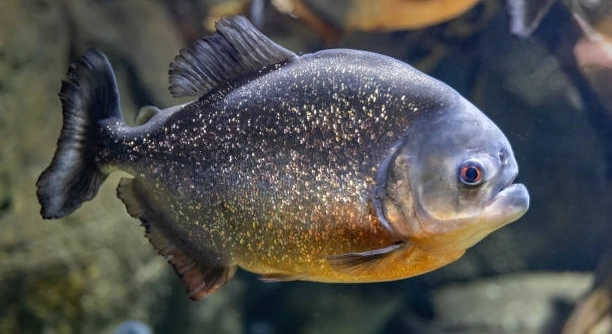
Do you ever find yourself bringing home a new piranha and wondering if it’s really safe to add it straight to your tank?
The main reason you should quarantine a new piranha is to prevent the spread of disease. Even healthy-looking fish can carry harmful pathogens that may infect your existing tank inhabitants, leading to serious health complications or death.
This article will guide you through the reasons behind quarantine, how it affects your piranha’s well-being, and why skipping this step could cause long-term problems in your tank.
Prevents the Spread of Hidden Illnesses
When you bring a new piranha into your home aquarium, it might look healthy but still carry parasites, bacteria, or viruses. These can quickly spread to your established fish, especially in a closed tank environment. Quarantining gives you a safe way to monitor the new fish for signs of illness without putting others at risk. It also allows time for treatment if any symptoms appear. A separate tank for two to four weeks is usually enough. During this period, you can watch for changes in appetite, behavior, or visible signs like white spots or clamped fins.
Quarantine is one of the most effective ways to control disease before it becomes a bigger issue.
Once a disease enters your main tank, it’s difficult to treat without affecting the entire setup. Medications can disrupt the tank’s balance, harm beneficial bacteria, or stress out healthy fish. Taking the extra step to quarantine can save time, money, and effort in the long run.
Helps Your Piranha Adjust to Its New Environment
New fish often go through stress after being moved from one tank to another. Quarantine gives them a quiet space to adjust without being overwhelmed by other tank mates.
Stress can weaken a piranha’s immune system, making it more likely to get sick. In a quarantine tank, you can create a calm environment with consistent water parameters, gentle lighting, and minimal noise. This helps the fish recover from travel and handle the transition better. When fish are less stressed, they eat more readily and behave normally, which makes it easier to detect any issues. It’s also a good time to slowly introduce the food and routines used in your main tank. By helping your new piranha adjust at its own pace, you’re setting it up for long-term health and smoother integration into your aquarium later.
Allows Time for Observation and Behavior Checks
A quarantine tank lets you watch your new piranha closely without distractions. You can see how it swims, eats, and reacts to its surroundings. This is important for spotting subtle issues that may not be obvious right away.
Piranhas may carry signs of stress or illness that don’t show immediately. In a busy tank, small changes in movement or appetite can be hard to notice. During quarantine, you’re able to focus on just one fish. If it refuses food, breathes heavily, or hides too much, you can take action quickly. Behavioral issues like aggression or fear may also show up in this quiet space. These observations help you better understand your piranha’s needs before mixing it with others. If all seems normal over a couple of weeks, you’ll have more confidence when transferring it to your main tank.
Catching early signs of trouble can prevent a serious outbreak. Some issues, like internal parasites or bacterial infections, may take days or weeks to appear. A quarantine period gives you a chance to spot and treat these before your other fish are affected. It’s not just about disease—it’s about making sure your new fish is truly ready to join the community. This attention to detail can make a big difference later on.
Prevents Aggression and Social Stress
Introducing a new piranha directly into a group can cause fighting and stress. A quarantine period gives you time to plan a smoother and safer introduction for everyone involved.
Piranhas are territorial, and adding a new fish to an established group can disrupt the balance. Quarantine gives your new piranha time to grow stronger and healthier before facing any possible conflict. Meanwhile, it also gives you a chance to observe the personality of the new fish. Is it shy? Aggressive? Neutral? These traits matter when deciding how and when to introduce it to your main tank. You can rearrange the tank layout or add hiding spots to help reduce conflict. Gradual introductions are easier when you’ve already taken the time to understand your fish. Planning ahead reduces social stress and can help avoid injuries or long-term tension in your tank community.
Makes Treatment Easier and More Effective
Treating a sick fish in a separate tank means you can use medicine without worrying about harming other fish or the tank’s balance. It’s simpler, faster, and more controlled.
In a quarantine tank, you use less medication and get quicker results. You can also monitor how the fish reacts to treatment.
Helps Prevent Long-Term Tank Problems
A single sick fish added to your main tank can cause long-term problems. Diseases can spread, water quality may drop, and your other fish might get sick too. Quarantine stops these issues before they begin. It’s a short step that protects your entire setup for the future.
Gives You More Control
A quarantine tank lets you control lighting, temperature, and feeding without affecting other fish. This makes it easier to meet your new piranha’s needs in a calm, focused way.
FAQ
How long should I quarantine a new piranha?
Most experts recommend a quarantine period of 2 to 4 weeks. This gives enough time to watch for signs of illness, observe behavior, and start treatment if needed. Even if the piranha looks healthy at first, diseases and parasites can take several days or more to show up. A full 4 weeks is safer if you want to be extra cautious, especially when adding the fish to a tank with expensive or sensitive species. Be patient—this step can prevent a lot of stress later.
What kind of tank setup is needed for quarantine?
A simple setup is best. A 10 to 20-gallon tank works for juvenile piranhas, while larger adults may need more space. You’ll need a heater, sponge filter, and a lid. Keep the tank bare-bottomed or use a small amount of substrate for easy cleaning. Include a hiding spot or two—something like a piece of PVC pipe or a plastic cave is enough. No need to decorate heavily. The goal is a clean, controlled environment where you can observe the fish easily and treat it if necessary.
Can I use water from the main tank in the quarantine tank?
Yes, you can use water from the main tank to help match parameters, but make sure it’s clean and stable. Don’t use water from a tank with any known health issues. Using water from the main tank helps reduce shock and makes the transition smoother for the fish. However, be sure to continue regular water testing in the quarantine tank, as smaller setups can have quicker changes in ammonia, nitrite, and nitrate levels.
Should I treat the fish even if it looks healthy?
Some people choose to treat with a basic course of anti-parasitic or antibacterial medication as a preventive measure. Others prefer to wait and only treat if signs of illness appear. If you’ve bought the fish from a trusted source, waiting and observing is often enough. But if you got the piranha from a pet store or unverified seller, a proactive treatment may help avoid surprises. Always research the medications and use them properly—never overdose just to be safe.
Can I quarantine more than one fish at a time?
Yes, but only if the fish came from the same tank and supplier. Mixing fish from different sources in quarantine can lead to cross-contamination. If one group is sick and the other is not, you risk spreading disease between them. When in doubt, use separate quarantine tanks. If you’re short on space, quarantine the riskiest fish first, or stagger your purchases to avoid overcrowding the quarantine setup.
What should I feed my piranha during quarantine?
Stick to a basic, high-quality diet. Offer familiar foods like pellets or frozen bloodworms to help the fish settle in. Don’t overfeed, especially in a small tank, because uneaten food will affect water quality fast. Once the fish starts eating consistently, you can slowly add variety. Feeding time is also a great chance to observe appetite and behavior, which helps you catch problems early.
Is it okay to skip quarantine if the piranha looks fine?
Skipping quarantine is risky, even if the fish seems healthy. Some diseases have no outward signs at first. If something goes wrong in the main tank, treating a large community is harder and more expensive. Quarantine protects both the new fish and your existing ones. It might seem like an extra step, but it can save your entire tank from long-term damage.
What signs should I look for during quarantine?
Watch for common signs of illness like clamped fins, erratic swimming, white spots, bloated belly, lack of appetite, or rapid breathing. Also look for behavioral signs like hiding all the time, glass surfing, or acting unusually aggressive or fearful. Keep a close eye every day—even small changes can mean something is off. The sooner you catch a problem, the easier it is to fix.
What should I do after the quarantine period ends?
If your piranha looks healthy, eats well, and shows no signs of illness or stress, it’s safe to move it to the main tank. Before introducing it, consider rearranging decorations in the main tank to reduce territory issues. Add the new fish slowly and watch closely for the first few days. If you see signs of aggression or stress, separate the fish and try again after adjusting the environment.
Final Thoughts
Quarantining a new piranha may seem like extra work at first, but it’s one of the most important steps you can take for the health of your tank. It helps protect your existing fish from illness and stress, and it gives your new piranha a better start. Many common fish diseases do not show symptoms right away, and even healthy-looking fish can carry them. By placing the new piranha in a separate tank for a few weeks, you create a space where it can adjust safely while you watch for any problems.
Taking this step also helps you build trust with your new fish. The quarantine tank is quieter and less crowded, making it easier for the piranha to get used to your routine, feeding schedule, and environment. It gives you time to learn more about your fish’s behavior, preferences, and overall health. If anything seems off—like loss of appetite or strange swimming—you can treat it early without risking your main tank. This saves you time and money later. A quarantine tank doesn’t have to be fancy or expensive. A basic setup with clean water, stable temperature, and a few hiding places is enough to make a difference.
In the long run, quarantine helps your tank run more smoothly. It keeps problems small before they grow into larger issues. Once your new piranha finishes quarantine and shows signs of good health, you can move it to the main tank with more confidence. You’ve given the fish a better chance to thrive and helped your other fish stay safe. It may take a little more time, but the peace of mind it brings is worth it. Whether you’re a new fish keeper or have years of experience, quarantine is a simple habit that leads to better outcomes for your entire tank.

Hello,
If you enjoy the content that we create, please consider saying a "Thank You!" by leaving a tip.
Every little bit helps us continue crafting quality advice that supports the health, happiness, and well-being of pets around the world, for pets of all shapes, sizes, and species.
We really appreciate the kindness and support that you show us!