
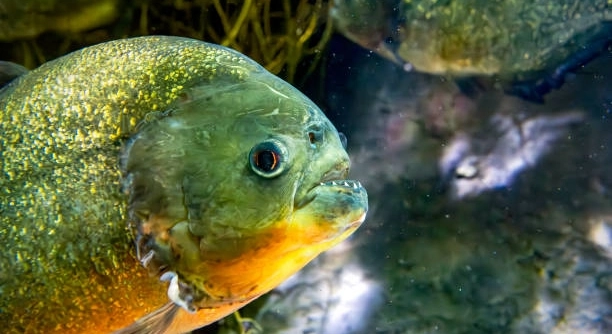
Piranhas go through many changes when they molt, which is a natural part of their growth. These changes affect how they behave in their environment and interact with other fish. Understanding these shifts helps us better care for them.
During molting, piranhas exhibit altered aggression levels, feeding habits, swimming patterns, and social interactions. Their sensitivity to stress increases, and their physical vulnerability causes them to adapt their behavior temporarily for protection and recovery.
Recognizing these changes offers insight into the piranhas’ well-being and helps maintain a healthy aquarium environment. This article highlights seven key behavior shifts during molting.
Changes in Aggression Levels
When piranhas molt, their aggression levels usually drop. This is because their new skin is soft and sensitive, making them more vulnerable to attacks from other fish. During this time, they tend to avoid confrontations and stay hidden more often. They become less territorial and show less interest in defending their space. This reduction in aggression helps them conserve energy while they recover. Observing a normally aggressive piranha behaving calmly can indicate it is molting. It’s important to give them space during this period to avoid unnecessary stress. Keeping the tank environment calm and stable supports their molting process and helps them regain strength quickly.
Molting piranhas prefer peaceful surroundings, reducing aggressive behaviors for protection. Their temporary calmness is crucial for safe recovery.
Knowing this helps aquarium owners avoid misunderstandings about their piranha’s behavior. Adjusting tank mates and minimizing disturbances can make molting smoother and safer for the fish.
Feeding Habits During Molt
Feeding habits change significantly when piranhas molt. They often eat less or stop eating entirely for a short time. This is because their mouth and body are sensitive while their new skin hardens. Some piranhas become picky and only eat softer foods that do not irritate their sensitive areas. Others might swim slowly to the feeding spot or ignore food altogether. Offering smaller, gentle meals can encourage them to eat without causing stress. It’s normal for their appetite to return gradually after molting. Ensuring high-quality nutrition during this time supports healing and strengthens their immune system. Adjusting feeding routines during molt helps maintain their health and prevents unnecessary weight loss.
Understanding these feeding changes allows better care and avoids overfeeding, which can harm the fish or water quality. It’s best to monitor their eating closely and adapt as needed.
Patience is key when feeding molting piranhas, as their needs differ from normal times. Supporting their diet gently ensures a smooth recovery and continued well-being in the tank.
Changes in Swimming Patterns
Piranhas tend to swim more slowly during molt. Their new skin is soft, so they avoid quick or sudden movements to prevent injury. This slower swimming helps conserve energy and reduces stress while their bodies heal.
During molting, piranhas often stay near the bottom or hide behind plants and decorations. They prefer calmer areas where they feel safer from potential threats. Their cautious swimming style means they might avoid open water and large tank mates during this time. Watching their movement can help spot when a piranha is molting since they become less active and more reserved.
This change in swimming behavior also affects how they interact with others. They might not join the usual group activities or follow the same routes. It’s important to provide a calm environment with enough hiding spots so they can recover comfortably without feeling pressured to keep up.
Sensitivity to Stress
Molting makes piranhas much more sensitive to stress. Loud noises, sudden movements, or changes in water conditions can easily upset them and slow down the healing process. Keeping the tank environment stable is crucial.
Stress during molt can cause health problems and even delay the hardening of their new skin. Maintaining consistent temperature, clean water, and minimal disturbances helps reduce stress. Handling the fish should be avoided unless absolutely necessary, as they are fragile during this period. Providing a peaceful setting with gentle lighting and minimal disruptions supports their recovery and overall well-being. A calm tank benefits both the molting piranha and the other fish, promoting harmony and health in the aquarium.
Changes in Social Behavior
Molting piranhas tend to isolate themselves from the group. They avoid social interactions to protect their sensitive new skin from accidental bites or rough contact. This temporary solitude helps them heal without stress.
Other piranhas may also give space to the molting fish, sensing their vulnerability. This natural behavior reduces conflicts during the molt period and helps maintain peace in the tank.
Increased Vulnerability to Disease
During molting, piranhas are more prone to infections. Their soft, newly exposed skin offers less protection against bacteria and parasites. Extra care is needed to keep the tank clean and healthy.
Reduced Activity Levels
Molting causes piranhas to become less active overall. They conserve energy by resting more and moving less until their skin hardens again. This helps them recover safely.
FAQ
How long does the molting process last in piranhas?
Molting in piranhas usually lasts between a few days to a week. The exact time depends on factors like water temperature, diet, and the fish’s overall health. During this period, the piranha sheds its old skin and grows a new, tougher layer underneath. The soft new skin hardens gradually, which is why they show changes in behavior during this time. It’s important to provide a stable environment to help the process go smoothly.
Can piranhas molt more than once?
Yes, piranhas molt multiple times throughout their life, especially when they are young and growing quickly. Adults molt less frequently, but it still happens occasionally as part of their natural growth and skin renewal. Each molting cycle requires similar care and attention to ensure they stay healthy and stress-free.
What should I do if my piranha stops eating during molt?
It’s normal for piranhas to reduce or stop eating when they molt. Their mouth and skin are sensitive, so forcing them to eat can cause stress. Offer softer foods and smaller portions during this time. If the fish refuses food for more than a week or shows signs of illness, consult a veterinarian experienced with fish.
How can I help reduce stress for molting piranhas?
Keeping the tank environment calm and stable is key. Avoid loud noises, sudden movements, and changes in water conditions. Make sure the water is clean and at the right temperature. Provide plenty of hiding spots so the piranha can feel secure. Handle the fish as little as possible during molting to prevent additional stress.
Will other fish harm a molting piranha?
Other fish may accidentally nip or bother a molting piranha since its skin is soft and sensitive. Some species may be more aggressive during this time. It’s a good idea to keep aggressive tank mates separated or closely monitor interactions to prevent injury. Providing hiding spaces helps reduce conflicts.
Can I speed up the molting process?
The molting process is natural and cannot be rushed safely. Trying to speed it up with chemicals or changes in water conditions can harm the fish. The best approach is to maintain a healthy, stable environment and let the piranha molt at its own pace.
What signs show that a piranha is molting?
Common signs include slower swimming, hiding more, reduced aggression, and decreased appetite. The skin may look dull or flaky before the old layer peels off. These changes are temporary and should improve once the new skin hardens.
Is molting stressful for piranhas?
Yes, molting is a physically demanding time and can be stressful. The soft skin makes piranhas vulnerable, so their behavior changes to protect themselves. Minimizing tank disturbances and stressors helps the fish cope better during this period.
Should I change water conditions during molting?
Water conditions should remain stable during molting. Sudden changes in temperature, pH, or cleanliness can cause additional stress and slow recovery. Regular water maintenance is important, but avoid drastic adjustments until the molting process is complete.
How often should I check on a molting piranha?
Check on the fish regularly but avoid disturbing it too much. Observing from a distance is best to see how it behaves and ensure it is safe. Frequent handling or sudden movements can stress the fish and prolong molting.
What foods are best for piranhas during molt?
Soft, easily digestible foods work best, such as small pieces of fish, shrimp, or specially prepared pellets made for sensitive fish. Avoid hard or sharp foods that might irritate the piranha’s soft skin or mouth during molting.
Can molting cause long-term health issues?
If the molting process goes smoothly, long-term health problems are rare. However, if the fish is stressed, injured, or infected during molting, complications can arise. Keeping the tank clean and stress-free helps prevent issues and supports healthy molting cycles.
Molting is a natural and important process in a piranha’s life. During this time, many changes happen in how they act and feel. They become less active, eat less, and stay away from others to protect their soft new skin. These changes help them heal and grow stronger. Understanding these behaviors helps us provide better care and a safer environment for them while they go through this sensitive time. It’s normal for piranhas to act differently during molting, so patience is key.
Taking good care of a molting piranha means keeping their tank calm and stable. Avoid loud noises or sudden movements that might stress them out. Keeping the water clean and at the right temperature also supports their recovery. Providing hiding spots where they can feel safe helps reduce their stress and lets them rest peacefully. Since their skin is soft and vulnerable, it’s best not to disturb or handle them unnecessarily. With the right care, piranhas can come through molting healthy and ready to return to their usual behavior.
Watching your piranha go through molting offers a chance to learn more about their needs and habits. These changes might seem worrying at first, but they are normal and temporary. When you give your piranha the space and care they need, you help them stay healthy for the long term. Paying attention to their behavior and adjusting feeding or tank conditions during this time can make a big difference. Overall, understanding molting helps create a better home for your piranha and supports its well-being through all stages of life.

Hello,
If you enjoy the content that we create, please consider saying a "Thank You!" by leaving a tip.
Every little bit helps us continue crafting quality advice that supports the health, happiness, and well-being of pets around the world, for pets of all shapes, sizes, and species.
We really appreciate the kindness and support that you show us!