
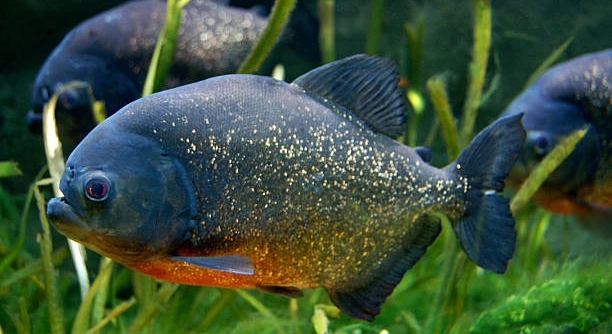
Startled piranhas display a variety of quick, reflexive actions when they sense danger nearby. These responses help them survive in their often aggressive and unpredictable environment. Their movements reveal much about how they react to threats around them.
When startled, piranhas exhibit rapid reflexive actions such as sudden darting, fin flicking, body twisting, jaw snapping, and tail flicking. These behaviors serve as defensive mechanisms to confuse predators and quickly escape potential harm in their natural habitat.
Learning about these reflexive actions sheds light on piranha behavior and helps us better understand how these fish protect themselves. Observing them closely can reveal surprising details about their survival strategies.
Sudden Darting Movements
When piranhas get startled, one of the first things they do is dart away quickly. This fast movement helps them avoid immediate danger by creating distance between themselves and whatever caused the surprise. Their strong muscles and streamlined bodies allow them to burst forward in a sudden, sharp motion. This darting is not random; it is a precise reaction aimed at confusing predators. Piranhas often move in groups, so when one darts, others follow, creating a chaotic swirl that makes it harder for predators to target a single fish. This behavior is essential for survival, especially in rivers where threats come from many directions. Sudden darting also helps piranhas reposition themselves quickly for a better chance to defend or escape. It is a natural reflex triggered by sensory nerves that detect changes in the water or nearby movement. This quick response keeps them alert and ready to react instantly.
This quick darting protects piranhas by increasing their chance to escape from harm.
Understanding darting can reveal how piranhas react to danger and how their bodies are built for speed.
Fin Flicking and Tail Flicking
Fin flicking and tail flicking are subtle but important reflexes in startled piranhas. These small movements help them steer and maintain balance while escaping threats. When a piranha flicks its fins or tail, it changes direction sharply without slowing down. This makes their movement unpredictable to predators. Flicking also creates small bursts of water movement that can signal nearby fish. This communication helps keep the group together and coordinated. The flicking motions are controlled by muscles that react almost instantly to danger signals. Tail flicking in particular helps generate extra speed during quick bursts. These reflexes work together with darting to improve the fish’s chances of survival. By adjusting their fins and tail, piranhas can react in split seconds to stay safe.
Fin and tail flicking allow piranhas to move quickly and change direction to avoid predators.
These reflexes show how piranhas use their bodies skillfully to stay one step ahead of threats in their environment.
Body Twisting and Jaw Snapping
Body twisting is a sharp, sudden movement that helps piranhas avoid threats by quickly changing their orientation. Jaw snapping happens immediately after or during this twist, adding a defensive strike to their escape.
This twisting movement allows piranhas to shift direction swiftly without losing momentum. When startled, their bodies bend sharply at the midsection, making it difficult for predators to predict their path. The twist is powered by strong muscles along their sides, giving them quick bursts of movement in multiple directions. Simultaneously, the piranha opens and snaps its powerful jaws as a warning or to deter attackers. Jaw snapping produces a loud, sharp sound that can startle predators or other fish nearby. This dual action of twisting and snapping combines defense with escape, showing how piranhas use their bodies and jaws as tools for survival.
These actions are critical in tight situations where simply fleeing is not enough. Twisting disorients threats, while jaw snapping provides a moment of intimidation. Together, they increase the piranha’s chance to avoid capture.
Eye Movement and Alertness
Piranhas display rapid eye movements when startled, which help them assess their surroundings quickly. Their eyes adjust focus to track nearby movements or threats almost instantly.
The speed and precision of their eye movements are essential for survival. When a sudden noise or motion triggers alarm, piranhas shift their gaze rapidly to identify the source. This allows them to react properly, whether that means fleeing or preparing to defend themselves. Their eyes are adapted to detect subtle changes in light and movement, providing them with clear information even in murky water. Quick eye adjustments improve their ability to stay aware of predators or other dangers around them. Being alert through eye movement helps piranhas maintain situational awareness, increasing their chances of making the right split-second decision.
Maintaining high alertness through eye movements is key for piranhas living in fast-paced, unpredictable environments. It supports all their reflexive actions and keeps them ready to respond instantly to any threat.
Gill Flare and Body Puffing
Gill flaring is a quick opening of the gill covers to appear larger and more intimidating. Body puffing accompanies this, making the piranha seem bigger and less vulnerable to predators.
Both actions are defensive displays. They help the fish avoid conflict by showing strength without actual fighting.
Rapid Swimming Bursts
Rapid bursts of swimming are common reflexes when piranhas are startled. These bursts use sudden energy to move quickly away from threats, often covering short distances at high speed. This fast swimming can confuse predators and make it harder for them to catch a piranha. These bursts are fueled by powerful muscles and a streamlined body, allowing for explosive acceleration. After a burst, piranhas may quickly change direction or hide among plants or rocks. This combination of speed and unpredictability increases their survival chances in dangerous moments.
Group Flashing Movements
Piranhas sometimes flash their silver bodies in quick, synchronized movements. This confuses predators and helps keep the school together during sudden escapes.
Why do piranhas startle so easily?
Piranhas have evolved to live in environments filled with predators and constant threats. Their survival depends on being alert and reacting quickly to sudden changes. Their nervous system is highly sensitive to vibrations and movements in the water. Even small disturbances can trigger a startle reflex. This quick reaction helps them avoid becoming prey. Being easily startled is a natural defense mechanism that keeps them alive in fast-moving rivers and crowded habitats.
How do reflexive actions help piranhas survive?
Reflexive actions like darting, twisting, and jaw snapping happen almost instantly without thinking. These responses are automatic and designed to protect the fish. For example, sudden darting helps piranhas create distance quickly from predators. Jaw snapping serves as a warning or defense. Body twisting makes it hard for a predator to predict their path. Fin and tail flicking allow rapid direction changes. Together, these reflexes increase their chances of escaping harm. Reflexive behaviors are essential for survival because they act faster than conscious movements could.
Do piranhas use these reflexes only for defense?
While reflexes mainly serve to avoid danger, some also help piranhas during social interactions. For instance, fin flicking and group flashing can signal other fish in the school. These movements keep the group coordinated and alert. Jaw snapping might also be used in aggressive displays between piranhas. Reflexes help with both defense and communication. Their environment demands quick responses not just to threats but also to other fish nearby. This dual purpose makes reflexive actions valuable beyond just escaping predators.
How fast can piranhas react when startled?
Piranhas can react in milliseconds. Their reflexes are some of the fastest in freshwater fish. Their muscles, nerves, and senses work together to detect danger and respond immediately. For example, darting away or twisting can happen almost as soon as the threat is detected. Eye movements adjust in moments to track threats. This speed is crucial in rivers where attacks can come suddenly. Fast reactions often mean the difference between escaping safely or getting caught.
Are all piranha species equally reactive?
No, different piranha species vary in their reflexive behaviors. Some species live in calmer waters and may not react as sharply. Others in more dangerous habitats show stronger and faster reflexes. The size and social behavior of the species also influence how often and how intensely they startle. However, all piranhas share basic reflexes like darting and jaw snapping to some degree. Differences come from their environment and evolutionary pressures. Understanding these variations helps explain their unique survival strategies.
Can piranhas control their reflexive actions?
Reflexive actions are automatic and not consciously controlled. These responses are built into their nervous system to act faster than voluntary movements. However, piranhas can choose when to flee or defend once the initial reflex happens. Reflexes trigger the first reaction to danger, but the fish’s brain can decide how to follow up. This combination of automatic and conscious behavior allows piranhas to react quickly but still adapt to different situations.
What triggers a piranha’s startle reflex?
Startle reflexes are triggered by sudden changes in the environment. Loud noises, rapid water movement, or close approaches by predators cause piranhas to react. Sensory organs on their skin detect vibrations, alerting their nervous system. Changes in light or shadows can also startle them. Even the movement of other fish nearby may trigger reflexive actions. Their environment is full of signals that demand quick attention. The startle reflex ensures they respond before danger reaches them.
How do piranhas coordinate reflexive actions in groups?
When one piranha reacts, others often follow almost instantly. This creates a wave of movement that confuses predators. The rapid communication happens through water vibrations and visual signals like fin flicking or flashing. Group coordination improves survival because predators struggle to target one fish in a swirling mass. Reflexive responses in groups are faster and more complex than those in individuals. The school works like a single unit, reacting as one to increase safety for all members.
Can reflexive actions tire out piranhas?
Reflexive actions require energy but usually last only seconds, so they do not tire piranhas quickly. Frequent startle responses over long periods could cause fatigue, but in natural conditions, these reflexes happen just when needed. Piranhas rest between threats to recover. Their bodies are built to handle short bursts of speed and quick movements repeatedly. Overall, reflexive actions are efficient survival tools that do not overly drain energy when used properly.
Do reflexive actions change as piranhas grow?
Young piranhas tend to have sharper reflexes because they are more vulnerable to predators. As they grow larger and stronger, their reliance on reflexive escape behaviors may lessen slightly. Adult piranhas can also be more aggressive, using jaw snapping and displays more than fleeing. However, reflexive actions remain important throughout their life. Their ability to react quickly stays strong as a vital part of their defense system. Growth changes how often they use certain reflexes but does not eliminate them.
The reflexive actions of startled piranhas show just how well these fish have adapted to their environment. Their quick movements like darting, twisting, and jaw snapping are not random but carefully timed responses to danger. These natural behaviors help piranhas survive in rivers full of threats. When startled, their bodies react automatically to protect them from predators. This instinctive reflex is a key part of their defense system and helps them avoid injury or capture. Understanding these reflexes gives us a clearer picture of how piranhas live and stay safe in the wild.
Piranhas do not rely on just one reflex but a combination of many actions that work together. Fin flicking and tail flicking help with fast, sharp changes in direction. Eye movements and alertness allow them to spot threats quickly. Gill flaring and body puffing make them look bigger to scare off danger. Group behaviors like flashing bodies confuse predators and keep the school coordinated. These actions happen very fast and often all at once. They show how piranhas use their bodies in complex ways to stay one step ahead of danger. Each reflex supports the others and increases the chance of survival.
These reflexive behaviors also remind us that piranhas are more than just fierce fish. They have developed smart and efficient ways to protect themselves in their sometimes harsh environment. Their responses are automatic but well suited to the challenges they face. Learning about these actions helps us appreciate their role in the ecosystem. It also helps us understand why they behave the way they do. Piranhas depend on these reflexes every day, and these quick actions are part of what makes them successful survivors in the wild.

Hello,
If you enjoy the content that we create, please consider saying a "Thank You!" by leaving a tip.
Every little bit helps us continue crafting quality advice that supports the health, happiness, and well-being of pets around the world, for pets of all shapes, sizes, and species.
We really appreciate the kindness and support that you show us!