
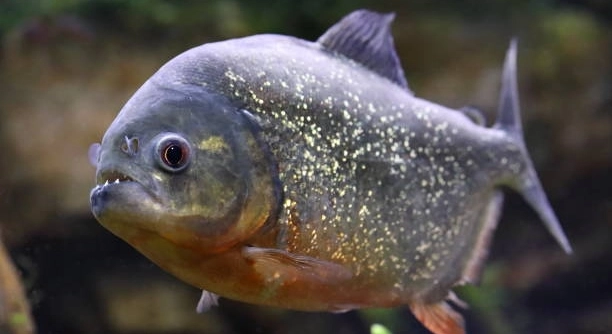
Caring for piranhas can be an exciting experience for beginners interested in unique pets. However, many new owners often make common mistakes that affect their fish’s health and well-being. Understanding these pitfalls early can make a big difference.
Common beginner mistakes when caring for piranhas include incorrect tank size, improper water conditions, and inadequate feeding routines. These errors can lead to stress, illness, and even shortened lifespan for the fish, emphasizing the importance of proper care from the start.
Learning about these typical errors can help you provide a safer, healthier environment for your piranhas and improve your overall experience as an owner.
Mistake 1: Choosing the Wrong Tank Size
Many beginners underestimate how much space piranhas need. A small tank can stress them out and lead to aggressive behavior. Piranhas grow quickly and require plenty of room to swim comfortably. A tank that is at least 20 gallons per fish is recommended to ensure their health and reduce territorial fights. Overcrowding often causes poor water quality, which can harm your piranhas. It’s also important to have a strong filtration system to keep the water clean and oxygen-rich. Regular water changes are necessary to maintain a healthy environment. Planning for the tank size from the start prevents costly adjustments later and keeps your fish happy.
A proper tank size helps your piranhas live longer and stay less stressed. Crowded tanks can lead to injuries and illness.
Understanding space needs is essential. Larger tanks allow piranhas to show natural behavior and reduce aggression. This improves their overall health and your experience as a caretaker.
Mistake 2: Neglecting Water Quality
Poor water quality is a major cause of sickness in piranhas. Many new owners do not test their water regularly or understand the importance of maintaining stable parameters. Piranhas need clean water with proper pH, temperature, and ammonia levels. Ignoring water conditions can cause stress, weaken their immune system, and lead to diseases like fin rot or infections. Using a water testing kit helps monitor levels, and performing partial water changes weekly keeps toxins low. Keeping the tank free of uneaten food and waste is also critical. Establishing a water maintenance routine early makes a big difference in your piranhas’ health and longevity.
Mistake 3: Overfeeding Your Piranhas
Overfeeding is a common problem that can harm piranhas. Too much food pollutes the water and causes obesity in fish. Feeding only what they can eat in a few minutes keeps them healthy and the tank clean.
Piranhas are carnivores and need a balanced diet of protein like fish, shrimp, or specially made pellets. Feeding small amounts two to three times a day is enough. Leftover food breaks down and releases harmful substances that affect water quality. Overfeeding also leads to poor digestion and increases the risk of diseases. Watching how much your fish eat and adjusting the amount is important for their well-being.
Feeding routines matter a lot. Sticking to proper portions prevents water issues and keeps piranhas energetic. This simple care step makes a big difference in their health.
Mistake 4: Ignoring Aggression and Behavior
Piranhas can be aggressive, especially if stressed or crowded. Ignoring signs of fighting can lead to injuries or death. Watching their behavior helps you manage their environment better.
When aggression shows, it may mean the tank is too small or there isn’t enough hiding space. Adding plants or decorations can reduce stress and give fish places to escape. Separating particularly aggressive individuals sometimes becomes necessary. Understanding normal piranha behavior helps you recognize when something is wrong. Keeping the environment calm and stable improves their well-being and reduces aggression significantly.
Mistake 5: Using Inappropriate Tank Decorations
Not all decorations are safe for piranhas. Sharp or rough objects can injure them during aggressive moments. Smooth rocks and driftwood are better choices.
Providing hiding spots helps reduce stress. Avoid decorations that easily break or have sharp edges to keep your fish safe.
Mistake 6: Not Quarantining New Fish
Introducing new fish without quarantine risks spreading diseases to your piranha tank. Quarantine helps detect and treat illnesses early.
A separate tank for new arrivals, usually for two to four weeks, prevents infections from spreading. It’s a crucial step for maintaining a healthy tank and protecting your piranhas.
Mistake 7: Overlooking Temperature Control
Piranhas need stable water temperatures between 75-80°F (24-27°C). Sudden changes stress them and lower immunity.
Using a reliable heater and thermometer ensures a consistent environment. Avoid placing the tank near windows or vents where temperatures fluctuate. Stable warmth keeps your piranhas active and healthy.
FAQ
How often should I feed my piranhas?
Feeding your piranhas two to three times a day is usually enough. Offer only as much food as they can eat within a few minutes. Overfeeding can pollute the water and cause health problems. Small portions help keep them healthy and the tank clean.
What is the best diet for piranhas?
Piranhas are carnivores and need a protein-rich diet. Fresh or frozen fish, shrimp, and specially formulated pellets work well. Avoid feeding them processed or human food. A balanced diet supports their growth and prevents nutritional deficiencies.
How large should my piranha tank be?
A good rule is at least 20 gallons per piranha. This space lets them swim freely and reduces aggressive behavior. Crowded tanks increase stress and the chance of injury. Bigger tanks also make water maintenance easier.
How often should I change the water?
Partial water changes of 20-30% weekly are ideal. This helps remove waste and toxins that build up over time. Regular water changes keep water quality high, which is essential for piranha health.
What water parameters are best for piranhas?
Piranhas thrive in water with a pH between 6.5 and 7.5, temperature between 75-80°F (24-27°C), and low ammonia and nitrite levels. Using a water test kit helps you monitor these parameters to prevent problems.
Can piranhas live with other fish?
Piranhas are aggressive and territorial, so they usually do best alone or with their own species in a large tank. Mixing them with other fish often leads to fights or injury.
Why is my piranha acting aggressively?
Aggression can result from overcrowding, stress, or lack of hiding places. Make sure the tank is large enough and add decorations or plants for shelter. Sometimes separating aggressive individuals is necessary.
What signs show a sick piranha?
Look for lethargy, loss of appetite, torn fins, spots, or unusual swimming. These can indicate infections or stress. Early detection and treatment improve chances of recovery.
Do I need a heater for my piranha tank?
Yes, piranhas need a stable warm temperature. Use a heater to keep the water between 75-80°F (24-27°C). Sudden temperature changes can harm them.
How do I quarantine new fish?
Place new fish in a separate tank for two to four weeks to observe and treat any illnesses before adding them to your piranha tank. This step protects your existing fish from disease.
Can I use tap water for my tank?
Tap water often contains chlorine or chloramine, which are harmful to fish. Always treat tap water with a water conditioner before adding it to your tank.
How do I clean the tank without stressing my piranhas?
Use a gentle siphon to clean the substrate and change water slowly to avoid sudden changes. Keep decorations and plants in place to maintain familiar territory for your fish.
Are piranhas suitable pets for beginners?
Piranhas require specific care and attention. Beginners can keep them with proper research and commitment, but they are not low-maintenance fish.
What kind of filtration system should I use?
A strong filtration system that handles biological and mechanical filtration is necessary to keep the tank clean and oxygenated.
How long do piranhas live?
With proper care, piranhas can live 10 to 15 years in captivity.
Is it normal for piranhas to bite?
Piranhas may nip at each other or owners when stressed or hungry. Handle with care and provide enough food and space to reduce biting.
What should I do if my piranha is injured?
Isolate the injured fish and treat wounds with appropriate medications. Keep water clean to prevent infections.
Can piranhas be bred in home aquariums?
Breeding piranhas at home is challenging and requires specific conditions like large tanks and controlled environment.
How do I reduce algae growth in my tank?
Limit light exposure, avoid overfeeding, and perform regular water changes. Algae eaters are not recommended with piranhas due to aggression.
Should I use a tank cover?
Yes, a secure lid prevents piranhas from jumping out and keeps other pets or children safe from accidental bites.
Caring for piranhas requires careful attention to their needs. These fish are unique and demand specific conditions to stay healthy and happy. Many beginner mistakes happen because new owners don’t fully understand their requirements. Choosing the right tank size, feeding properly, and maintaining clean water are some of the most important parts of their care. Getting these basics right helps avoid many problems and makes the experience more enjoyable for both the owner and the fish.
Understanding piranha behavior is also key to good care. They can be aggressive and territorial, so it’s important to watch how they interact with each other and their environment. Providing enough space and hiding spots can reduce stress and aggression. Regular observation helps catch health or behavior issues early. If piranhas show signs of illness or fighting, making changes quickly can save lives. Keeping their environment stable with the right temperature and water conditions helps piranhas thrive in captivity.
Being patient and consistent with care routines is essential. Regular water testing, feeding in proper amounts, and cleaning the tank prevent many common problems. It’s also helpful to research and learn from experienced owners or reliable sources. Piranhas can live for many years if cared for properly, which means your attention and dedication pay off over time. Taking the time to avoid beginner mistakes sets a strong foundation for a successful and rewarding experience with these fascinating fish.

Hello,
If you enjoy the content that we create, please consider saying a "Thank You!" by leaving a tip.
Every little bit helps us continue crafting quality advice that supports the health, happiness, and well-being of pets around the world, for pets of all shapes, sizes, and species.
We really appreciate the kindness and support that you show us!