
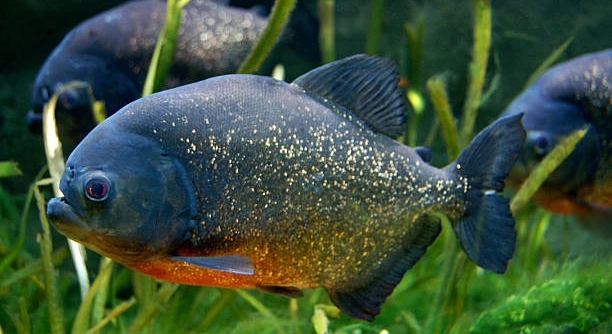
Piranhas are often known for their sharp teeth and aggressive behavior. However, they do not always rely on biting to protect themselves or catch prey. Sometimes, they use bluffing techniques to appear more dangerous than they actually are.
Piranhas use bluffing as a survival strategy to avoid unnecessary fights and conserve energy. This behavior includes spreading fins, making sudden movements, and showing teeth without biting. Bluffing helps maintain social order and reduces risks within their groups.
These interesting behaviors reveal more about how piranhas interact with their environment. Exploring these moments shows a different side of these fish beyond their fearsome reputation.
Bluffing Through Fin Displays
Piranhas often use their fins to send a strong message without resorting to biting. When threatened or competing for space, they spread their dorsal fins wide and flare their gill covers. This makes them appear larger and more intimidating to rivals or potential predators. The sudden display can startle other fish, causing them to back away. This behavior helps piranhas avoid physical confrontations that could cause injury. It is a way of showing dominance while conserving energy and maintaining safety within their groups. Researchers have observed that fin displays are common in both feeding and territorial situations. The bluff is effective because many predators hesitate to attack something that looks aggressive or larger than expected. This strategy also helps keep the group’s social structure intact by preventing fights that might disrupt the school.
Bluffing with fins is a nonviolent method piranhas use to protect themselves and keep peace within their environment.
These fin displays are a clear sign that piranhas rely on visual intimidation. By avoiding unnecessary fights, they increase their chances of survival while reducing harm. This behavior highlights their adaptability and intelligence in managing threats without immediate aggression.
Sudden Movement as a Threat Signal
Piranhas use sudden bursts of movement to bluff predators and competitors.
When a piranha feels threatened, it may dart quickly or make sharp, jerky motions. These sudden movements catch the attention of others and give the impression of readiness to attack. Such behavior can confuse predators or rivals, making them think twice before approaching. This bluff can buy the piranha valuable time to escape or prepare for defense. Additionally, quick movement within a school can signal alertness and coordination, deterring potential threats from isolating an individual. This tactic works alongside fin displays to enhance the bluff’s effectiveness.
In essence, sudden movement acts as a warning and a tactic to avoid physical harm. It serves both to scare off enemies and protect the piranha’s place in its group.
Showing Teeth Without Biting
Piranhas often open their mouths wide to display their sharp teeth without actually biting. This visual threat serves to intimidate others and avoid direct conflict.
The open-mouth display is a bluffing tactic that signals aggression and readiness to defend. When a piranha shows its teeth, it creates the illusion of an imminent attack. This can discourage rivals or predators from engaging, reducing the risk of injury. By using this non-contact threat, piranhas conserve energy and avoid the dangers of physical fighting. This behavior is especially common during territorial disputes or when competing for food.
Such displays also help maintain the social hierarchy within a group. The piranha showing its teeth often establishes dominance without needing to resort to biting. This form of communication is effective because it is clear and instantly recognizable to others in the water. The bluff balances aggression with caution, showing strength while minimizing harm.
Group Coordination to Intimidate
Piranhas sometimes work together to create a united front, using coordinated movements to bluff threats away.
When in a school, piranhas swim in tight groups that appear larger and more intimidating. This coordination amplifies their bluffing tactics, making predators think twice before attacking. The collective behavior creates a strong visual signal of strength and alertness. Piranhas rely on this group intimidation to protect themselves, especially when food is scarce or danger is nearby. This teamwork reduces the chance of any single fish being singled out, improving survival rates for the entire school.
By cooperating in this way, piranhas avoid unnecessary fights and injuries. Their synchronized actions enhance the bluffing strategy, showing how these fish use both individual and group tactics to stay safe and successful in their environment.
Staring as a Threat
Piranhas sometimes use direct staring to bluff opponents. Holding eye contact signals confidence and readiness to defend.
This intense gaze can make rivals hesitate, giving the piranha an advantage without physical conflict. Staring is a simple but effective way to assert dominance and avoid fights.
Making Loud Noises
Piranhas can produce sharp sounds by grinding their teeth or vibrating their swim bladders. These noises serve as warnings to intruders or competitors.
The sound acts as an auditory bluff that alerts others to the piranha’s presence and readiness to defend territory. Loud noises can startle potential threats and prevent confrontations before they escalate. This non-aggressive tactic helps piranhas maintain control of their environment while reducing the risk of injury. It shows how bluffing extends beyond visual cues to include sound signals in piranha behavior.
Flashing Bright Colors
Some piranhas flash bright colors briefly to intimidate rivals. This sudden change in appearance acts as a warning signal.
FAQ
Why do piranhas bluff instead of biting all the time?
Piranhas bluff to avoid unnecessary injury and save energy. Biting can cause harm that takes time to heal, which may reduce their chances of survival. Bluffing allows them to appear threatening without engaging in physical fights. This strategy helps maintain the balance within their groups and reduces risk.
How effective is bluffing compared to actual biting?
Bluffing is often very effective in deterring predators or rivals. Many fish or animals will back off when faced with strong visual or auditory warnings. The bluff reduces the need for biting, which is more costly in terms of energy and risk of injury. It also helps piranhas avoid damage that might affect their ability to feed or reproduce.
Do all piranha species use bluffing?
Most piranha species display some form of bluffing behavior, though the specific tactics can vary. Some rely more on fin displays, while others may focus on showing teeth or making noise. Bluffing is common because it benefits survival across different environments and social situations.
Can bluffing confuse predators?
Yes, bluffing can confuse predators by making piranhas appear more aggressive or dangerous than they actually are. This hesitation can give the piranha time to escape or prepare for defense. The unpredictability of bluffing behavior can also discourage predators from attacking.
Is bluffing only used for defense?
No, bluffing is used both for defense and social interactions. Piranhas bluff during territorial disputes, competition for food, and to establish dominance within the group. It is a versatile behavior that helps them manage threats and maintain order without constant aggression.
How do researchers study bluffing in piranhas?
Researchers observe piranhas in natural habitats and controlled environments, recording their behavior during encounters with predators or other fish. Video recordings and underwater observations help analyze the different bluffing tactics. Experiments may also test how piranhas respond to threats and how effective their bluffs are.
Does bluffing affect piranha hunting behavior?
Bluffing mainly serves to protect piranhas rather than help in hunting. When hunting, piranhas rely on quick bites and group attacks. However, bluffing may be used before hunting to scare off competitors or threats and secure a feeding area without conflict.
Are there risks to bluffing?
While bluffing reduces direct conflict, it can sometimes provoke challengers who want to test the piranha’s threat. If the bluff fails, it may lead to fights. Also, frequent bluffing might use up energy or attract attention. Still, these risks are usually lower than those from constant biting.
How does bluffing benefit the piranha group?
Bluffing helps maintain social order within the school by preventing constant fighting. It keeps the group stable, allowing piranhas to feed, rest, and reproduce safely. By avoiding injuries, the group remains strong and less vulnerable to predators.
Can bluffing be seen in other fish?
Yes, many fish species use bluffing behaviors such as fin displays, color changes, and sudden movements. Bluffing is a common survival tactic in aquatic environments because it allows animals to avoid risky physical fights while still defending themselves effectively.
What triggers a piranha to switch from bluffing to biting?
A piranha usually resorts to biting when bluffing fails or when the threat becomes immediate and unavoidable. If a rival or predator does not back down, the piranha may bite to defend territory, food, or itself. The decision depends on the level of danger and the piranha’s confidence.
Does the size of a piranha affect its bluffing?
Larger piranhas often bluff more confidently because their size adds to the intimidation factor. Smaller piranhas may rely more heavily on bluffing to appear bigger or more aggressive than they are. Size influences how effective bluffing tactics are within their environment.
How do piranhas learn bluffing behavior?
Bluffing may be partly instinctive and partly learned through social interaction. Young piranhas observe adults and adapt their behavior based on success or failure. Experience helps them improve their timing and choice of bluffing tactics to increase survival chances.
Final Thoughts
Piranhas are often seen as fierce predators that attack without warning. However, their behavior is more complex than just biting. Bluffing is an important part of how they interact with other fish and animals. By using bluffing tactics, piranhas can avoid many unnecessary fights. This helps them save energy and reduce the risk of injury, which is essential for their survival. Understanding these behaviors gives a clearer picture of how piranhas manage threats and competition in their environment.
Bluffing also plays a key role in maintaining social order within piranha groups. Instead of fighting all the time, they use displays like showing teeth, making noises, or flashing colors to communicate. These signals help set boundaries and show dominance without physical harm. This reduces stress for the entire group and keeps them safer. It also allows the fish to focus more on feeding and reproduction rather than constant fighting. This balance between bluffing and biting shows how piranhas adapt their behavior based on the situation.
Recognizing that piranhas bluff changes how they are seen in nature. They are not just mindless attackers but animals with strategies to protect themselves and their groups. Their bluffing tactics are effective tools that help them survive in challenging environments. These behaviors demonstrate that even fierce creatures use careful communication to avoid conflict whenever possible. This insight can encourage a more respectful view of piranhas and their role in aquatic ecosystems.

Hello,
If you enjoy the content that we create, please consider saying a "Thank You!" by leaving a tip.
Every little bit helps us continue crafting quality advice that supports the health, happiness, and well-being of pets around the world, for pets of all shapes, sizes, and species.
We really appreciate the kindness and support that you show us!