
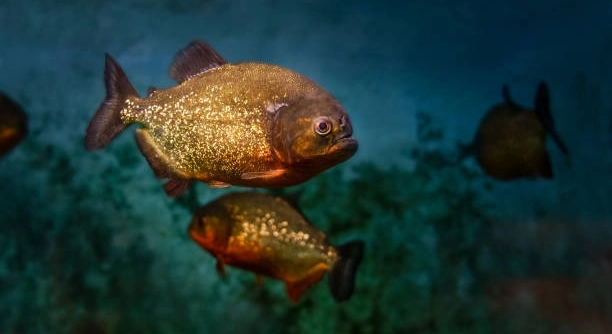
Many people keep piranhas as pets and enjoy watching them swim gracefully in their tanks. Over time, these fish show changes that indicate they are getting older. Recognizing these signs can help owners care for their piranhas better.
Piranhas display several physical and behavioral changes as they age, such as slower movement, changes in color, decreased appetite, and altered social behavior. Identifying these clues allows for improved management and health care throughout their lifespan.
Knowing the signs of aging in your piranha helps you provide the right environment and attention as they grow older. This article will guide you through the key clues to watch for.
Slower Swimming and Reduced Activity
As piranhas age, one of the most noticeable changes is in their activity levels. Older piranhas tend to swim more slowly and spend more time resting near the bottom or hiding in plants and decorations. This reduction in movement happens because their metabolism slows down with age. You might also see them less interested in chasing food or interacting with other fish. This behavior is natural and reflects their changing energy needs. However, it is important to monitor these signs closely because sudden or extreme lethargy might indicate illness rather than normal aging. Maintaining a clean tank and providing a balanced diet can help your piranha stay as healthy and active as possible during its later years.
Slower swimming is a clear sign that your piranha is aging. Watch for changes in how much it moves compared to before.
Recognizing decreased activity early helps you adjust care routines to support your piranha’s comfort. Consider reducing tank disturbances and keeping feeding sessions calm to avoid stressing your aging fish.
Color Changes and Fading
Color changes are common as piranhas get older. Their bright, vibrant hues may dull or become patchy over time. The red markings on their bellies and fins often fade, and the scales might lose their shine. These changes occur because pigment cells naturally decrease with age. While it’s normal for an older piranha to look less colorful, sudden color loss can also be a sign of poor water quality or illness. Keeping the tank clean and stable helps maintain your fish’s appearance. Additionally, avoid sudden changes in lighting, as this can stress an older piranha and worsen color fading. Noticing these gradual shifts in color will help you understand your piranha’s stage of life and make sure its environment supports its well-being.
Appetite Changes
Older piranhas often eat less than they used to. This drop in appetite is normal as their metabolism slows with age. However, a sudden loss of interest in food might also indicate health issues that need attention.
Monitoring feeding habits helps detect problems early. If your piranha refuses food for several days, it’s important to check water quality and tank conditions. Sometimes, offering softer or smaller food can encourage eating. Keep track of how much and how often your fish eats, as this can signal when adjustments in care are necessary. Aging piranhas need gentle treatment and consistent feeding schedules to stay healthy.
Adjusting food types and portions to suit an aging piranha’s appetite helps maintain its strength. Providing a variety of foods can stimulate interest and ensure nutritional needs are met as eating habits change.
Changes in Social Behavior
Older piranhas may become less social or more withdrawn. They might avoid the usual group activity and prefer solitude. This shift is often due to reduced energy and changes in instincts. It’s important to observe these behaviors to understand your fish’s needs better.
When a piranha ages, it might stop competing for space or food as aggressively as before. This change could affect the tank’s social dynamics, especially if you keep multiple fish. It helps to provide plenty of hiding spots and space for each fish to feel secure. Sometimes, separating older fish can reduce stress caused by younger, more active tank mates. Being attentive to social behavior changes ensures your piranha lives comfortably during its later years.
Changes in Scale Texture
As piranhas grow older, their scales may appear rougher or more raised than usual. This change can be a natural part of aging, but it also might signal irritation or minor infections.
Keep an eye on scale texture to catch any problems early. Maintaining clean water helps prevent issues that can worsen rough scales.
Increased Resting Periods
Older piranhas tend to rest more frequently throughout the day. This behavior reflects their lower energy levels and is typical as they age. Providing comfortable resting spots like plants or smooth decorations supports their need for downtime.
Weakened Immune System
Aging piranhas often face a weaker immune system, making them more vulnerable to infections and diseases. This means illnesses may last longer or become more severe. Proper tank hygiene and balanced nutrition are crucial to help their bodies fight off threats effectively.
Paying close attention to any signs of illness and responding promptly is important to support an aging piranha’s health.
FAQ
How long do piranhas usually live?
Piranhas typically live between 10 and 15 years in captivity with proper care. Some species may live slightly longer or shorter depending on their environment and diet. Providing clean water, a balanced diet, and a stress-free tank helps maximize their lifespan.
What are common signs my piranha is aging?
Common signs include slower swimming, faded colors, decreased appetite, more resting, changes in scale texture, and shifts in social behavior. These signs develop gradually and reflect natural aging, but it’s important to watch for sudden changes that could indicate illness.
Should I change my piranha’s diet as it ages?
Yes, older piranhas often need softer or smaller food portions since their appetite decreases. Offering a variety of foods like bloodworms, pellets, and occasional live food can keep them interested and ensure they get necessary nutrients. Avoid overfeeding, as digestion slows down with age.
Is it normal for older piranhas to be less active?
Yes, older piranhas naturally slow down because their metabolism decreases. They may spend more time resting or hiding, which is normal. However, sudden lethargy or lack of response to stimuli might indicate health problems and should be checked promptly.
Can aging piranhas live with younger fish?
It depends. Older piranhas may become less tolerant of younger, more aggressive tank mates, which can stress them. Providing enough space and hiding places is important. If aggression increases, separating fish by age or size may be necessary to protect older individuals.
How can I help my aging piranha stay healthy?
Maintaining clean water, regular tank maintenance, and a balanced diet are key. Avoid sudden changes in environment or diet, as aging fish are more sensitive to stress. Observing your piranha daily allows early detection of health issues, so you can respond quickly.
What signs indicate illness versus normal aging?
Sudden weight loss, severe color changes, rapid breathing, or unusual swimming patterns are signs of illness. Normal aging involves gradual changes like slower movement or mild color fading. If you notice drastic changes, test water quality and consider consulting a vet.
Do aging piranhas need different tank conditions?
Older piranhas benefit from stable tank conditions with less disturbance. Keep water temperature steady and avoid overcrowding. Adding plants or decorations for resting spots helps reduce stress. Adjust feeding schedules and monitor water quality closely to meet their changing needs.
Can piranhas get arthritis or similar joint problems?
There is little research on arthritis in piranhas, but aging fish may experience joint stiffness or muscle weakness. Observing movement difficulties or abnormal swimming may indicate such issues. Ensuring gentle handling and minimizing stress can help manage these symptoms.
How often should I check my aging piranha’s health?
Daily observation is best to notice any behavior or physical changes. Regular water tests and monthly partial water changes keep the tank environment healthy. If health problems arise, increase monitoring and consult professionals if needed. Preventative care is crucial for longevity.
Aging is a natural part of a piranha’s life cycle, and recognizing the signs can help you provide better care. Over time, your piranha will slow down, change in color, and show differences in appetite and behavior. These changes do not mean the fish is sick but that it is growing older. Paying attention to these clues lets you adjust your care to match your piranha’s needs, ensuring it remains comfortable and healthy for as long as possible. Small changes in how you manage the tank, feeding routines, and social settings can make a big difference in your fish’s quality of life.
It is important to maintain a clean, stable environment for an aging piranha. Older fish are more sensitive to stress and changes, so keeping the water conditions steady is key. Regular cleaning and monitoring water parameters will help prevent illnesses that can affect weakened immune systems. Feeding your piranha a balanced diet with suitable food types will support its changing metabolism and health. Providing places to rest and avoiding overcrowding in the tank will also reduce stress and promote a calm atmosphere for your fish as it ages.
Being observant and patient is essential when caring for an aging piranha. Not all changes mean problems, but watching closely allows you to spot early signs of health issues. With proper care and attention, older piranhas can live comfortably and remain a beautiful part of your aquarium. Understanding how they age and what they need during this time will help you create a safe and supportive environment for your fish’s later years. This care reflects your commitment and respect for your piranha’s life from youth to old age.

Hello,
If you enjoy the content that we create, please consider saying a "Thank You!" by leaving a tip.
Every little bit helps us continue crafting quality advice that supports the health, happiness, and well-being of pets around the world, for pets of all shapes, sizes, and species.
We really appreciate the kindness and support that you show us!