
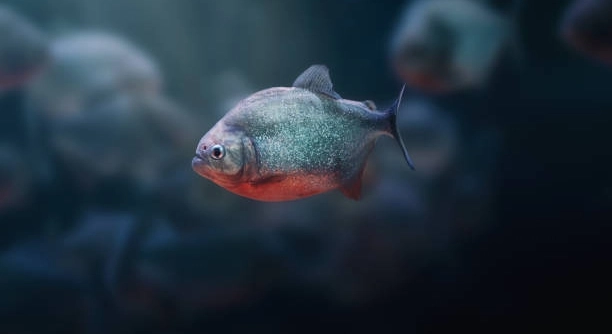
Caring for a sick piranha can feel overwhelming for beginners. These unique fish have specific needs that must be addressed to help them recover. Understanding the basics will make managing their health much easier.
To handle a sick piranha effectively, it is essential to monitor water quality, maintain proper temperature, and provide a stress-free environment. Early detection and appropriate treatment, including medication and isolation if necessary, greatly improve recovery chances.
Learning how to recognize symptoms and act quickly can make a big difference. This guide will help you care for your piranha with confidence and keep it healthy.
Common Signs Your Piranha Is Sick
When a piranha is sick, it usually shows clear signs. You might notice it swimming less or hiding more than usual. Its color could fade, or you may see white spots or sores on its body. Loss of appetite is another common symptom. Sometimes the fish might breathe rapidly or gasp at the water’s surface. These signs suggest the fish is stressed or unwell. Ignoring these symptoms can make the condition worse. It’s important to observe your piranha daily so you can act quickly if something seems off. Early detection helps prevent serious health problems and improves the chance of recovery. Paying close attention will make you feel more confident in caring for your pet.
Sick piranhas often need gentle care and changes in their environment to heal properly.
Recognizing symptoms is the first step to helping your piranha. Being patient and attentive during this time can make a big difference in its recovery.
Improving Water Quality for a Sick Piranha
Water quality is key to a piranha’s health. Poor water can stress the fish and worsen illness. To improve water conditions, test the tank regularly for ammonia, nitrites, and nitrates. Keep these levels as close to zero as possible. Changing 25% of the water every few days helps remove harmful substances. Use a water conditioner to remove chlorine and chloramines before adding new water. Keep the temperature steady between 74 and 79 degrees Fahrenheit, as sudden changes can shock your fish. Clean the tank and filter often but avoid disturbing the fish too much. Maintaining a clean, stable environment supports the piranha’s immune system, making recovery easier. Good water quality also reduces the risk of disease spreading to other fish in the tank. Consistent care creates a safe space for your piranha to heal.
Isolating the Sick Piranha
Isolating a sick piranha helps stop illness from spreading and lowers stress. Use a separate tank with similar water conditions.
Setting up a quarantine tank is important. This tank should have clean, filtered water at the right temperature and pH level. Avoid overcrowding to reduce stress. Keep the tank in a quiet area away from heavy activity or loud noises. Monitor the water quality closely and perform regular water changes. Isolation allows you to observe the fish more easily and provide specific treatments without affecting healthy fish. It also helps protect your main tank from potential contamination. Proper isolation is a simple but effective step in managing piranha health.
Keeping the sick fish separate also makes it easier to give medication safely. It prevents the spread of bacteria or parasites to other tank mates.
Proper Feeding During Illness
Sick piranhas often lose their appetite, but feeding them properly supports recovery. Offer soft, easily digestible foods in small amounts.
During illness, it’s best to avoid feeding large or hard foods that may stress the fish’s digestive system. You can try feeding finely chopped fresh fish, bloodworms, or specialized sick fish pellets. Feed only what your piranha can eat within a few minutes to avoid polluting the water. If the fish refuses to eat, don’t force it; wait a day or two and try again. Overfeeding can cause water quality problems, which delay healing. Keep feeding times consistent and monitor how the fish responds. Proper nutrition helps strengthen the immune system and speeds recovery.
Avoid sudden diet changes during this time. Gradually return to a normal diet once the piranha shows signs of improvement.
Common Treatments for Sick Piranhas
Medications like antibiotics and antifungals can help treat infections. Use them carefully, following instructions.
Always remove activated carbon from the filter during treatment, as it can absorb medicine and reduce effectiveness. Monitor your piranha closely for side effects or changes in behavior while medicating.
When to Call a Vet
If your piranha’s condition worsens or doesn’t improve after treatment, it’s time to seek professional help. A vet can diagnose and prescribe the right medication.
Delaying professional care can lead to serious health problems. Early intervention ensures your piranha has the best chance to recover fully.
Maintaining Tank Cleanliness
Regular cleaning prevents illness and keeps your piranha healthy. Remove uneaten food and waste daily.
Avoiding Stress in Sick Piranhas
Keep the environment calm. Avoid sudden changes and loud noises to help your fish heal faster.
FAQ
How do I know if my piranha is sick?
Look for changes in behavior like less movement or hiding. Physical signs include faded color, white spots, sores, or clamped fins. Loss of appetite and rapid breathing are also common. Observing your piranha daily helps catch illness early, which is crucial for effective treatment.
What should I do first if I think my piranha is sick?
Start by testing your water quality to ensure safe conditions. Check temperature, pH, ammonia, nitrites, and nitrates. If water quality is poor, perform a partial water change. Then isolate the sick fish in a quarantine tank to prevent spread and reduce stress. Monitor the fish closely for worsening symptoms.
Can I treat my piranha at home?
Yes, many common illnesses like bacterial or fungal infections can be treated with over-the-counter medications. Use antibiotics or antifungal treatments specifically made for aquarium fish. Follow dosage instructions carefully, and always remove carbon filters during medication. If symptoms persist or worsen, seek professional advice.
How often should I change the water when my piranha is sick?
Change about 25% of the water every two to three days in both the main and quarantine tanks. This keeps the environment clean without causing sudden changes that stress your fish. Use water conditioner to remove chlorine and chloramines before adding new water.
What kind of food is best for a sick piranha?
Offer soft, easy-to-digest foods such as finely chopped fish, bloodworms, or specialized pellets for sick fish. Feed small amounts once or twice a day. Avoid overfeeding to prevent water quality issues. If your piranha refuses to eat, wait a day and try again without forcing.
How can I reduce stress for my sick piranha?
Keep the tank environment calm and stable. Avoid loud noises, sudden movements, and bright lights. Maintain consistent water temperature and quality. Minimizing stress helps the immune system work better and supports faster recovery.
When should I consult a vet?
If your piranha’s condition worsens, does not improve after medication, or shows severe symptoms like bleeding, extreme lethargy, or loss of balance, it’s time to see a vet. Early professional care can prevent long-term damage and increase survival chances.
Is it necessary to isolate a sick piranha?
Yes, isolating the sick fish protects healthy tank mates from infection and helps reduce stress on the ill fish. A quarantine tank also allows for easier observation and targeted treatment.
Can poor water quality cause sickness?
Absolutely. High ammonia or nitrite levels, improper pH, and fluctuating temperature weaken a piranha’s immune system and lead to disease. Regular testing and maintenance are essential to prevent illness.
How long does it take for a sick piranha to recover?
Recovery time varies depending on the illness and care quality. Mild infections can improve in a few days with proper treatment, while more serious conditions may take weeks. Patience and consistent care are key during this time.
Can stress alone make a piranha sick?
Yes. Stress from poor water quality, overcrowding, sudden changes, or aggressive tank mates weakens the immune system. Reducing stress factors is vital for prevention and recovery.
What are the most common diseases in piranhas?
Bacterial infections, fungal infections, parasites, and swim bladder disorders are common. Each requires specific treatment, so proper diagnosis and care are important.
Is medication safe for all fish in a community tank?
Some medications can harm other species, so it’s safer to treat sick piranhas in isolation. If you must treat a community tank, research the medication’s effects on all species present first.
How do I prevent my piranha from getting sick again?
Maintain stable, clean water conditions with regular testing and changes. Feed a balanced diet and avoid overcrowding. Keep stress low by minimizing sudden environmental changes and providing hiding spots.
Can changing tank decor help a sick piranha?
Removing sharp or rough decorations can prevent injury. Adding plants or hiding places reduces stress and helps the fish feel secure during recovery.
What should I avoid when caring for a sick piranha?
Avoid overfeeding, sudden water changes, and harsh medications not meant for fish. Don’t mix treatments without professional advice. Also, don’t ignore symptoms, as delays can worsen health.
Is it normal for a sick piranha to stop eating?
Yes, loss of appetite is common. This can last a few days, but if it continues longer, adjust feeding or consult a vet. Staying hydrated through water is important during this time.
How can I monitor my piranha’s progress?
Keep a daily log of behavior, appetite, and appearance changes. Regularly test water and note any treatments used. This helps track improvement or identify worsening signs.
Are all piranha species treated the same when sick?
Most basic care steps are similar, but some species have specific needs. Research your piranha’s species to tailor care and treatment accurately.
Can I use natural remedies for sick piranhas?
Some natural treatments like aquarium salt can help with minor issues, but they should not replace proper medication. Use natural remedies cautiously and only if you understand their effects.
What is the best way to avoid stress during treatment?
Keep light levels low, reduce tank noise, and limit handling. A calm environment supports healing and reduces the risk of complications.
These questions cover the essentials of caring for a sick piranha. Understanding these points helps provide better care and improves the chances of your fish’s recovery.
Taking care of a sick piranha requires attention and patience. It’s important to watch for early signs of illness like changes in behavior or appearance. Acting quickly by checking water quality and isolating the fish can make a big difference. Keeping the tank clean and stable helps the fish’s immune system work better. Remember, sick piranhas need gentle care and a calm environment to recover well.
Providing the right treatment is also important. Many common piranha illnesses respond well to medicines like antibiotics or antifungals, but they must be used carefully. Following the instructions and monitoring the fish closely during treatment helps avoid problems. Feeding your piranha soft, easy-to-digest foods in small amounts supports healing. Avoiding overfeeding and sudden changes in the tank environment reduces stress, which is key for recovery. If you notice no improvement or worsening symptoms, getting help from a vet is the best choice.
Finally, prevention is always better than cure. Maintaining good water quality with regular testing and partial water changes is the foundation of healthy fish care. Feeding a balanced diet, avoiding overcrowding, and keeping stress low will reduce the chances of sickness. Knowing how to care for a sick piranha and being prepared to act quickly will give your fish the best chance at a full recovery. Taking these steps shows your commitment to keeping your piranha healthy and happy.

Hello,
If you enjoy the content that we create, please consider saying a "Thank You!" by leaving a tip.
Every little bit helps us continue crafting quality advice that supports the health, happiness, and well-being of pets around the world, for pets of all shapes, sizes, and species.
We really appreciate the kindness and support that you show us!