
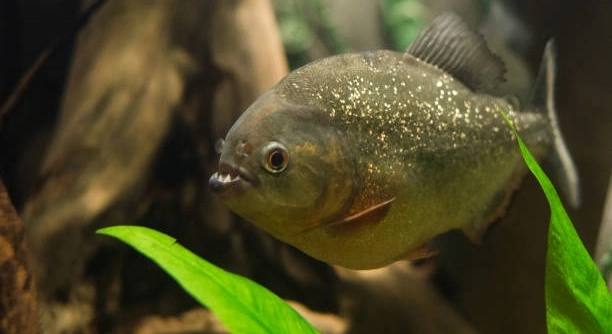
Forgetting to feed a piranha can happen, especially to new aquarium owners. These fish are known for their sharp teeth and aggressive behavior, but they also need regular feeding to stay healthy and active. Proper care includes understanding their dietary needs.
When a piranha is not fed, it can become stressed and more aggressive toward tank mates or even itself. Prolonged fasting may weaken the fish, lowering its immune response and increasing susceptibility to diseases and malnutrition.
Knowing what happens if you miss feeding your piranha helps prevent harm. This information is essential for maintaining a balanced and healthy environment in your aquarium.
Effects of Skipping a Meal for Your Piranha
Forgetting to feed your piranha once or twice may not cause immediate harm, but repeated missed feedings can quickly affect its health. Piranhas rely on a consistent diet rich in protein to maintain energy and muscle strength. When food is not provided, they may become lethargic or display increased aggression as a result of hunger. Stress caused by starvation lowers their ability to fight infections. Additionally, a hungry piranha might start to attack tank mates or even damage itself by biting the tank walls. Maintaining a regular feeding schedule supports both physical health and natural behavior, preventing unnecessary stress for the fish and ensuring a balanced environment within the tank.
Feeding your piranha on a consistent schedule is key to avoiding stress and health issues. Even short periods without food can disrupt their behavior and well-being.
Monitoring your piranha’s behavior after a missed feeding helps identify any early signs of distress. Changes in swimming patterns, reduced activity, or increased aggression indicate the need for immediate attention. Offering appropriate food and maintaining water quality are vital for recovery and overall care.
How to Manage Feeding If You Forget
Missing a feeding occasionally can be managed with adjustments to the next feeding. Avoid overfeeding as a way to compensate since excess food can pollute the tank and cause health problems. Instead, resume the regular feeding schedule and observe your piranha’s response. If the fish shows signs of weakness or stress, try offering smaller, more frequent meals over the next few days. Ensuring clean water and proper tank conditions will also support recovery. If missed feedings become frequent, the risk of long-term damage increases, and consulting a specialist may be necessary.
Avoid overfeeding after a missed meal to maintain tank health and your piranha’s well-being.
Consistency in feeding is critical for your piranha’s health. Establishing a clear routine, such as feeding at the same time daily, can prevent future lapses. Using automated feeders or reminders helps keep the schedule on track, especially when daily life gets busy. Proper portion control is also important, as both underfeeding and overfeeding can lead to health problems. A balanced diet of fresh meat, fish, and commercial pellets ensures nutritional needs are met. Regular observation of your piranha’s activity levels and behavior supports early detection of any issues caused by irregular feeding. Taking these steps reduces the chance of health decline and promotes a stable tank environment.
Signs Your Piranha Is Hungry
Piranhas often become restless and swim more aggressively when hungry. They may nip at tank decorations or other fish more frequently. Changes in color or dullness can also indicate poor health related to missed feedings.
Hunger in piranhas causes noticeable behavior shifts. They might dart around the tank anxiously or push against the tank walls. A healthy piranha typically swims steadily and remains calm. When starved, their immune system weakens, making them vulnerable to infections and diseases. Physical signs include sunken eyes or a thinner body, showing muscle loss. Prompt feeding can reverse many early signs of hunger, but prolonged neglect risks permanent damage.
Behavior changes from hunger impact not only the piranha but also other fish in the tank. Aggression caused by hunger can lead to injuries or death of tank mates. Keeping a consistent feeding schedule prevents these problems and supports a stable tank environment. Observing feeding habits closely ensures your piranha stays healthy and active.
Preventing Feeding Mistakes
Setting reminders or alarms helps maintain a regular feeding routine. Feeding at consistent times reduces stress for your piranha and encourages natural behavior. Proper portion control avoids leftover food that can pollute the tank.
Using high-quality food suitable for piranhas is essential to meet their nutritional needs. Rotate between live, frozen, and pellet options to provide a balanced diet. Avoid overfeeding as it can lead to obesity and poor water conditions. Regularly cleaning the tank and checking water parameters also supports overall health. Consistency and attention to detail in feeding will ensure your piranha remains healthy and thriving over time.
How Often Should You Feed Your Piranha
Adult piranhas generally require feeding once every day or every other day. Younger fish may need more frequent meals due to their rapid growth. Feeding too often can cause water pollution and health issues.
It is important to adjust feeding amounts based on the fish’s size and activity level. Overfeeding can be as harmful as underfeeding, so balance is key to maintaining a healthy environment and fish condition.
Effects of Long-Term Starvation
Extended periods without food cause muscle loss, weakness, and increased susceptibility to illness. Starvation disrupts metabolism, affecting overall vitality. Long-term hunger can also lead to organ failure and eventual death if not addressed promptly.
Adjusting Feeding After Missed Days
When missing feedings, avoid compensating by giving extra large meals. Instead, return to a normal schedule gradually to prevent digestive problems and water quality decline.
Feeding Tips for Busy Schedules
Using automated feeders or pre-measured portions can help maintain consistent feeding when life gets hectic.
FAQ
What happens if I forget to feed my piranha for one day?
Missing a single feeding usually will not cause serious harm to a healthy adult piranha. These fish can survive short periods without food by using stored energy. However, you may notice increased activity or signs of hunger, such as restlessness or light aggression. It is important to return to the regular feeding schedule as soon as possible to prevent stress.
Can piranhas survive without food for several days?
Piranhas can survive several days without food, but extended fasting can weaken them significantly. Lack of nutrition lowers their immune system and can cause muscle wasting and lethargy. If the fasting period lasts too long, the risk of disease increases. Proper feeding should be resumed quickly to support recovery and avoid long-term health issues.
How can I tell if my piranha is not eating enough?
Signs that your piranha is not eating enough include decreased activity, weight loss, and dull or faded coloration. The fish may become less responsive and hide more often. If the piranha is aggressive toward tank mates or shows signs of stress, these can also be symptoms of hunger. Monitoring behavior and physical condition regularly will help identify feeding problems early.
Is it okay to skip feeding my piranha once in a while?
Skipping feeding occasionally is generally not harmful, especially if your piranha is healthy and well-fed overall. However, frequent missed meals can cause stress and nutritional deficiencies. Maintaining a consistent feeding schedule helps keep your piranha healthy and prevents behavioral issues.
What should I do if I forget to feed my piranha for several days?
If you miss multiple days of feeding, start by offering small, frequent meals rather than large amounts all at once. This helps the piranha’s digestive system adjust and reduces the risk of overeating or water contamination. Monitor the fish closely for any signs of illness or stress. Improving tank maintenance during this time supports the piranha’s recovery.
Can forgetting to feed my piranha cause it to attack other fish?
Yes, hunger can increase aggression in piranhas. When starved, they become more territorial and prone to attacking other fish or tank objects. This behavior is often a result of stress and a natural drive to find food. Feeding regularly and maintaining good tank conditions helps reduce aggressive behavior.
What is the best way to avoid missing feedings?
Setting a daily feeding routine is essential. Use alarms, notes, or automatic feeders to help maintain consistency. Feeding at the same time each day helps your piranha develop a healthy pattern. Preparing food portions in advance can also reduce the chance of forgetting to feed.
How much should I feed my piranha at each meal?
Feed your piranha only what it can consume within a few minutes. Overfeeding leads to leftover food, which pollutes the water and can cause health problems. A balanced diet includes protein sources like fish, shrimp, or specialized pellets. Adjust portions based on the fish’s size and activity.
Will my piranha recover quickly after missing meals?
Recovery time depends on how long the piranha has gone without food and its overall health. Short missed feedings typically cause little lasting harm. Prolonged fasting requires careful feeding and tank care to help the fish regain strength. Monitoring behavior and physical signs ensures proper recovery.
Are there any long-term effects from forgetting to feed a piranha?
Repeatedly missing feedings can weaken your piranha’s immune system, reduce growth, and increase vulnerability to diseases. Chronic stress may also alter its behavior permanently, causing aggression or lethargy. Consistent care and attention to feeding schedules are necessary to avoid these negative effects.
Can automated feeders help if I tend to forget feeding times?
Automated feeders can be a helpful tool for busy owners. They provide precise portions at scheduled times, ensuring regular feeding. However, it is important to maintain and clean feeders regularly to prevent food spoilage and mechanical failures. Automated feeders work best combined with regular monitoring of your piranha’s health.
What type of food should I offer after missing several feedings?
After missed feedings, start with small amounts of easily digestible protein, such as finely chopped fish or commercial pellets. Gradually increase portion sizes as your piranha’s appetite returns. Avoid large or hard-to-digest meals initially, which can cause digestive upset. Clean tank water helps support recovery during this period.
How important is water quality when feeding is missed?
Water quality is critical, especially if feeding is irregular. Poor water conditions increase stress and make it harder for your piranha to recover from missed meals. Regular water changes and monitoring parameters like ammonia, nitrate, and pH ensure a healthy environment. Clean water supports immune function and overall well-being.
Can stress from missed feedings affect piranha health long term?
Yes, stress from inconsistent feeding weakens immune defenses and makes piranhas more prone to infections and disease. Chronic stress can reduce lifespan and alter behavior permanently. Keeping a steady feeding schedule minimizes stress and promotes a stable, healthy aquarium environment.
Final Thoughts
Feeding a piranha regularly is essential to keep it healthy and active. Missing a single feeding occasionally is unlikely to cause serious problems, but consistency is important. Piranhas rely on a balanced diet to maintain their strength, immune system, and normal behavior. When food is skipped for too long, they may become weak, stressed, and more aggressive. These effects can also impact other fish in the tank. Paying attention to feeding schedules helps prevent these issues and supports a stable environment.
It is also important to provide the right amount and type of food. Overfeeding can harm the water quality and lead to health problems for the piranha. Underfeeding, on the other hand, can cause malnutrition and related illnesses. Maintaining clean water and a proper feeding routine are both key to the overall well-being of the fish. Using tools such as alarms or automatic feeders can be helpful to avoid forgetting feedings. Monitoring the fish’s behavior and physical condition regularly will help detect any problems early on.
Overall, caring for a piranha requires attention to both feeding and the tank environment. Missing feedings occasionally should be corrected as soon as possible, and long gaps without food should be avoided. By following these simple practices, your piranha can stay healthy and live comfortably. Keeping a consistent routine and providing proper nutrition ensures your fish remains a strong and vibrant part of your aquarium. This approach supports both the fish’s health and the balance of its aquatic home.

Hello,
If you enjoy the content that we create, please consider saying a "Thank You!" by leaving a tip.
Every little bit helps us continue crafting quality advice that supports the health, happiness, and well-being of pets around the world, for pets of all shapes, sizes, and species.
We really appreciate the kindness and support that you show us!