
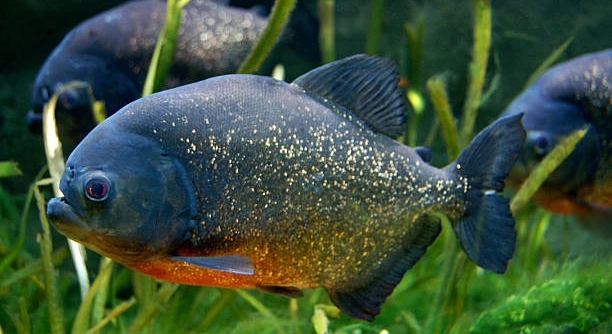
Do you ever find yourself fascinated by piranhas but unsure why they sometimes act so aggressively in their tanks or natural habitats?
Piranhas display aggression due to a mix of environmental stress, competition for food, and natural territorial behavior. Other common triggers include overcrowding, changes in water conditions, and breeding-related hormonal shifts.
Understanding these triggers will help you better manage your aquarium or simply appreciate these fish without misjudging their behavior.
Overcrowding and Lack of Space
Piranhas are territorial by nature. When too many fish are placed in a small tank, it can lead to constant stress and aggressive outbursts. These fish need space to establish their own zones. Without enough room, they often feel threatened, which may cause them to lash out at others. Overcrowding also limits their ability to hide or escape from confrontations, increasing tension in the group. If you’re keeping piranhas in an aquarium, it’s important to provide ample swimming space and proper hiding spots. A cramped setup is one of the most common reasons piranhas turn on each other.
Even in the wild, piranhas tend to form loose groups, not tight packs. Being too close too often isn’t natural for them and can raise their stress levels quickly.
If you notice signs of constant chasing or biting, consider upgrading your tank or reducing the number of fish. Giving them more room often calms the group and reduces unwanted behavior.
Hunger and Feeding Competition
Piranhas are highly food-driven, and this can lead to aggressive behavior during feeding times.
When food is limited or not distributed evenly, stronger individuals may bully others to get the most. In group settings, this can result in biting, fin-nipping, or worse. To avoid this, feed them regularly and make sure the food is spread throughout the tank. Over time, aggressive feeders may associate mealtime with dominance, so it’s helpful to monitor their behavior closely. Consistency in feeding schedule and quantity plays a big role in keeping their instincts under control. Also, offering a varied diet helps reduce the frustration that can come with repetitive meals.
Sudden Changes in Water Conditions
Piranhas are sensitive to shifts in their environment, especially water quality. Changes in temperature, pH, or ammonia levels can trigger stress. When stressed, piranhas may behave unpredictably and lash out at tankmates, even if there’s no direct threat.
Poor water quality makes it harder for piranhas to breathe and regulate their systems. This discomfort can increase their irritability and lead to biting or chasing behavior. Temperature fluctuations also affect their metabolism, which may alter feeding habits and aggression levels. Frequent water testing and stable tank conditions are key to keeping their stress levels low. Make sure the filtration system works well and that water changes are done consistently. Drastic shifts should always be avoided. If you have to make adjustments, do so slowly to give the fish time to adapt without triggering defensive or hostile behavior.
Stress from water issues is often mistaken for personality changes. Stable conditions help keep aggression in check.
Breeding Season Behavior
During breeding season, hormone levels shift and piranhas become more territorial. They may become aggressive even toward fish they normally tolerate. Males in particular show protective behavior, especially when guarding eggs or preparing nesting areas in the tank.
This period brings out their instinct to defend space and resources. If tankmates get too close, the breeding pair may attack without warning. It’s best to separate breeding pairs or provide plenty of space and hiding areas to reduce direct contact with others. You may also notice chasing, fin biting, or even injuries during this time. Breeding aggression is normal and usually temporary. Once the eggs hatch or the mating period ends, behavior tends to stabilize. Keeping the tank calm and well-maintained will make things easier on all your fish. Watch them closely during this time, and make adjustments if things seem too tense or dangerous.
Injury or Illness
When a piranha is sick or injured, it often becomes a target for others. The weakened fish may act differently, attracting unwanted attention and triggering aggressive responses from tankmates.
Sometimes the sick fish itself may act more aggressively due to pain or discomfort, especially if it feels cornered or threatened.
Incompatible Tankmates
Piranhas do best with others of similar size and temperament. Housing them with fish that are too active, too slow, or much smaller often leads to stress or attacks. They may view smaller fish as prey or feel threatened by overly dominant species. Tank compatibility helps prevent unnecessary aggression.
FAQ
Can piranhas be kept with other fish?
It depends on the type of fish and the setup. Piranhas do best in species-only tanks. If you try to house them with other fish, the risk of injury is high. They can be unpredictable, especially when stressed or hungry. Some aquarists have managed to keep them with large, fast-moving fish, but it’s not guaranteed to work. Even fish that seem fine one day can suddenly become targets. It’s safest to house piranhas with their own kind, making sure the group size and tank size are appropriate to reduce tension and space conflicts.
How many piranhas should be kept together?
Keeping a small group—usually four to six—is ideal for most home aquariums. A single piranha can become anxious and overly aggressive, while too many packed into a tank can lead to constant fighting. A balance is key. Piranhas are social to a point, but they still need space to establish their own areas. The larger the tank, the better the chance they’ll coexist peacefully. If aggression becomes frequent, it may help to adjust the group size or rearrange the tank layout to break up sightlines and reduce tension.
What size tank is best for piranhas?
A group of four to six piranhas needs at least a 100-gallon tank. More space is always better. These fish are active swimmers and need room to turn, chase, and claim space without constant run-ins. Smaller tanks raise stress levels and encourage fights. A good setup includes strong filtration, stable water conditions, and hiding spots like driftwood or plants. These help them feel safe and less exposed. If you’re unsure about your setup, it’s better to go bigger and plan for adult size, since juvenile piranhas grow quickly and require more room as they mature.
Why do piranhas fight each other even when there’s enough food?
Even when food is plentiful, piranhas may fight due to territory issues or stress. They are naturally competitive and may still show dominance behavior during feeding. In some cases, it’s about more than hunger—it’s about control. If one fish feels another is getting too close to its space or threatening its status in the group, aggression can happen. Try spreading the food in different areas of the tank. This keeps everyone occupied and lowers direct competition. Rearranging tank decorations from time to time can also break up dominant patterns and help reset tensions.
Do piranhas recognize their owners or respond to people?
Piranhas are not known for forming bonds like dogs or some other pet fish, but they can learn to recognize feeding routines. They may swim toward the glass when they sense food is coming or when they notice regular movement near their tank. While this isn’t affection, it shows they can associate people with food or activity. Try to keep routines steady and avoid sudden movements near the tank. Piranhas startle easily, and this can lead to unnecessary stress or defensive behavior. Staying calm around them helps build trust and keeps them more relaxed over time.
What should I do if one piranha becomes aggressive?
Start by checking water conditions and tank space. Poor water quality or overcrowding often leads to irritability. If those look fine, observe how the fish interact. Sometimes one fish becomes dominant and bullies the rest. Rearranging the tank layout can break up patterns and force new boundaries. If aggression continues, you may need to separate the problem fish. Long-term aggression can cause injuries and weaken the group. Always act quickly when signs appear, like torn fins, missing scales, or one fish hiding constantly. Prompt action can prevent bigger problems and help restore peace in the tank.
Final Thoughts
Piranhas have a reputation for being aggressive, but their behavior often comes down to their environment and how they are managed. Most of the time, aggression is triggered by something specific, like limited space, poor water quality, or stress from changes in their surroundings. While they are naturally territorial and sometimes competitive, piranhas are not constantly looking to attack. When they are kept in proper conditions with enough space and food, they usually stay calm and stick to their routines. Watching for signs of tension early on can help you avoid bigger issues before they begin.
Taking care of piranhas means staying consistent with their care. Stable water conditions, regular feeding, and enough room to swim make a big difference. It also helps to learn their habits. If a piranha is acting more aggressive than usual, it’s often a sign that something in the tank isn’t right. Simple steps like testing the water, spreading out their food, or adjusting the tank setup can calm things down. During breeding season or when a fish is sick, temporary aggression is more common. In those times, patience and close observation go a long way. A peaceful tank takes attention, but it’s not hard once you understand their needs.
Whether you’re keeping piranhas in a tank or just curious about their behavior in the wild, it’s clear they are more complex than their scary reputation suggests. Their behavior has reasons behind it, and most problems can be fixed with a few thoughtful changes. These fish can be rewarding to care for when given the right setup and attention. Knowing what triggers aggression helps not only keep the fish safe but also makes the experience more enjoyable for you. With time and care, you’ll begin to notice their patterns and feel more confident in how to manage them.

Hello,
If you enjoy the content that we create, please consider saying a "Thank You!" by leaving a tip.
Every little bit helps us continue crafting quality advice that supports the health, happiness, and well-being of pets around the world, for pets of all shapes, sizes, and species.
We really appreciate the kindness and support that you show us!