
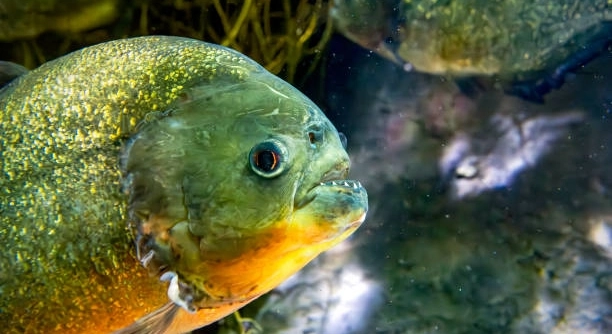
Piranhas are fascinating fish that many people keep as pets. Like all animals, they can suffer from health issues, including internal parasites. Recognizing the signs early is important for their well-being and care.
Internal parasites in piranhas often cause symptoms such as weight loss, lethargy, abnormal swimming behavior, and changes in appetite. Detecting these signs early allows for prompt treatment to prevent serious health complications.
Knowing how to identify these symptoms can protect your piranha’s health. This article outlines seven clear ways to spot internal parasites effectively.
Visible Weight Loss and Muscle Wasting
One of the most noticeable signs of internal parasites in piranhas is sudden or gradual weight loss. Despite maintaining a regular feeding schedule, the fish may appear thinner over time. Muscle wasting often accompanies this weight loss, making the body look sunken, especially near the head and belly. This happens because parasites consume nutrients inside the fish or damage its internal organs, preventing proper absorption. Owners might notice that their piranha’s scales look less shiny and the body seems weaker. These changes can be subtle at first but become more evident with time. Monitoring weight and body condition regularly helps catch this symptom early, which is essential for effective treatment and recovery.
Weight loss and muscle wasting indicate serious internal health problems and require immediate attention from a veterinarian or aquatic specialist.
Early detection of these signs can prevent severe damage. Regular observation and proper nutrition support your piranha’s recovery from parasite infections.
Abnormal Swimming Patterns and Behavior
Abnormal swimming patterns often suggest internal discomfort or illness in piranhas. Fish infected with internal parasites may swim erratically, float near the surface, or remain at the bottom of the tank for extended periods. These behaviors occur because parasites affect the fish’s energy levels and nervous system, causing disorientation or weakness. It is common to see a loss of normal activity, such as reduced interaction with the environment or other tank mates. Paying close attention to changes in swimming can help identify health issues early.
Parasite infections can alter a piranha’s behavior significantly, leading to reduced mobility and energy.
If the piranha suddenly shows unusual swimming or lethargy, this can be a strong indicator of internal parasites. Infected fish might struggle to maintain balance or may even float abnormally. These symptoms result from the parasites interfering with the fish’s bodily functions. Noticing such behavior early allows for prompt diagnosis and treatment, reducing the risk of permanent damage or death. Maintaining clean water and a proper diet can help prevent infections, but once abnormal swimming occurs, professional intervention is often necessary to restore health.
Loss of Appetite
A sudden loss of appetite is a common sign of internal parasites in piranhas. The fish may refuse food or eat less than usual, even when offered favorite foods. This change often signals discomfort or illness.
Parasites inside the digestive system cause inflammation and pain, making it difficult for the piranha to digest food. This can lead to nutrient deficiencies and weakened immunity. The fish might also display a lack of interest in normal feeding routines or hide more frequently. Monitoring feeding habits closely helps detect early signs of infection. If your piranha stops eating or shows reduced appetite for several days, it is a clear indication that something is wrong.
Maintaining water quality and a balanced diet supports recovery, but a loss of appetite lasting longer than a few days requires treatment. Ignoring this symptom may result in severe health decline.
Changes in Feces and Excretion
Parasites often cause noticeable changes in a piranha’s feces, such as discoloration, irregular texture, or mucus presence. These changes signal digestive system issues and should never be ignored.
Parasites damage the intestinal lining, which alters the normal digestion process. This leads to abnormal waste being expelled, sometimes including visible parasite segments. Dark, stringy, or white feces indicate infections and poor gut health. Regularly checking feces quality can help catch infections early, especially in tanks with multiple fish. If you see persistent changes in your piranha’s excretion, consult a professional immediately.
Proper diagnosis usually requires microscopic examination of feces samples. Treatment often involves medication to eliminate the parasites and restore digestive health. Early intervention reduces the risk of serious complications.
Pale or Discolored Gills
Pale or discolored gills can indicate internal parasite infection. Healthy gills are bright red, but parasites may cause them to appear pale or washed out.
This change happens because parasites reduce oxygen exchange or cause anemia. Check your piranha’s gills regularly for color changes.
Excess Mucus Production
Internal parasites can increase mucus production inside the piranha’s body. This excess mucus may be visible around the gills, mouth, or on the skin.
The mucus serves as a protective response to irritation caused by parasites. While mucus helps defend the fish, too much can interfere with breathing and cause discomfort.
Swollen Abdomen
A swollen or bloated abdomen is often a clear sign of internal parasites. This swelling results from fluid buildup or organ inflammation caused by the parasites.
If your piranha’s belly looks unusually large or hard, it could indicate an internal infection needing prompt attention.
How do internal parasites affect piranhas?
Internal parasites can cause serious health problems in piranhas by damaging organs and interfering with nutrient absorption. They may lead to symptoms like weight loss, lethargy, abnormal swimming, and digestive issues. Over time, untreated infections can weaken the fish’s immune system and cause death.
Can internal parasites be treated at home?
Some internal parasite infections can be treated at home using medications designed for aquarium fish. However, correct diagnosis is essential. Over-the-counter treatments may help if used properly, but consulting a veterinarian or aquatic specialist is recommended for severe cases or uncertain symptoms.
How can I prevent internal parasites in my piranha?
Maintaining clean water, regular tank maintenance, and providing a balanced diet are key preventive measures. Avoid introducing infected fish or contaminated plants and decorations. Quarantining new fish before adding them to the main tank reduces parasite risks.
What are the common types of internal parasites in piranhas?
Common internal parasites include nematodes (roundworms), cestodes (tapeworms), and protozoans. Each type affects the fish differently but generally causes digestive problems and nutrient depletion. Identifying the parasite type helps determine the best treatment.
How do I know if my piranha needs veterinary care?
If symptoms persist longer than a few days, worsen, or if your fish shows severe weight loss, swelling, or behavioral changes, veterinary care is necessary. A professional can perform diagnostic tests, including fecal exams, and prescribe appropriate treatments.
Can internal parasites spread to other fish in the tank?
Yes, internal parasites can spread through shared water and contaminated food. Keeping infected fish isolated and practicing good tank hygiene helps prevent transmission to healthy fish.
How often should I check my piranha for signs of parasites?
Regular daily observations of behavior, appetite, and appearance are recommended. Weekly checks of feces and gill color can catch early signs. Prompt attention to any changes improves treatment success.
What medications are safe for treating internal parasites in piranhas?
Medications containing praziquantel, metronidazole, or formalin are commonly used to treat internal parasites. Dosage and duration vary by parasite type. Always follow manufacturer instructions or veterinarian advice carefully to avoid harming your fish.
Will my piranha fully recover after parasite treatment?
With early diagnosis and proper treatment, most piranhas can fully recover. Recovery depends on the severity of the infection and the fish’s overall health. Supporting your fish with good water quality and nutrition aids healing.
Are there any natural remedies for internal parasites in piranhas?
Some aquarists use natural remedies like garlic or herbal supplements, but their effectiveness is not scientifically proven. Natural treatments may help support immune function but should not replace veterinary-approved medications in serious cases.
Internal parasites pose a significant health risk to piranhas and can affect their quality of life if left untreated. Recognizing the early signs, such as weight loss, abnormal behavior, changes in appetite, and swollen abdomen, is essential for timely intervention. Maintaining a clean environment and closely observing your piranha’s condition helps prevent infections and promotes overall well-being. Regular tank maintenance, balanced nutrition, and quarantine practices for new fish are critical steps in protecting your piranha from internal parasites.
Treating internal parasites requires careful attention and appropriate medication. If signs of infection appear, acting quickly is important to reduce health complications. Over-the-counter treatments are available but should be used with caution and under guidance from a specialist when possible. A professional diagnosis can ensure the correct identification of parasites and the right treatment plan. Even with proper treatment, some infections may take time to fully clear, so ongoing monitoring and good care are necessary to support recovery.
Understanding how internal parasites affect piranhas is key to providing better care. This knowledge helps owners respond effectively to health problems and maintain the fish’s comfort and vitality. While internal parasites are a common issue in aquarium fish, they are manageable with awareness and prompt action. By observing your piranha closely and ensuring a healthy environment, you can minimize risks and keep your fish healthy for the long term.

Hello,
If you enjoy the content that we create, please consider saying a "Thank You!" by leaving a tip.
Every little bit helps us continue crafting quality advice that supports the health, happiness, and well-being of pets around the world, for pets of all shapes, sizes, and species.
We really appreciate the kindness and support that you show us!