
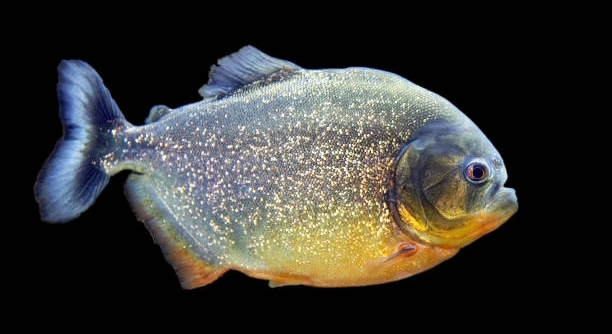
Piranhas are often known for their sharp teeth and fierce reputation. However, their breeding habits are not as widely understood and can be surprisingly unusual. Many of these facts about how piranhas reproduce may sound hard to believe.
Piranha breeding involves complex behaviors, including nest building and careful parental care, which contrasts with their aggressive image. Males often guard the eggs and young, ensuring survival in challenging environments. This reproductive strategy helps maintain their populations in the wild.
Learning about these strange breeding habits reveals more about the nature of piranhas beyond their fearsome appearance. These insights show a different side to these fascinating fish.
Unusual Nesting Behavior
Piranhas don’t just scatter their eggs randomly. Instead, they carefully select nesting sites, often in shallow, protected waters. Males work hard to clear the area, removing debris and plants to create a clean spot for the eggs. This effort helps protect the eggs from predators and strong currents. It’s surprising to think of such small fish showing this level of care. The males’ dedication continues after the eggs are laid, as they stay close to guard them. This behavior increases the chances of the eggs surviving until they hatch. It’s a side of piranhas that many people don’t expect, especially given their fierce reputation.
This nesting behavior shows piranhas are more than just aggressive hunters. Their reproductive care is methodical and protective, highlighting their instinct to ensure offspring survival in tough environments.
Seeing this side of piranhas changes how you think about these fish. They aren’t only about attack—they invest time and effort into the next generation, which is impressive and quite different from what many assume.
Male Piranhas Guard the Eggs
Male piranhas take responsibility after the female lays the eggs. They remain near the nest, fending off threats and keeping the eggs clean.
Males guard the eggs for several days, sometimes even weeks. They fan the eggs with their fins to keep water moving, which supplies oxygen and prevents fungus growth. This constant attention is crucial for healthy development. The male’s role does not end when the eggs hatch; he often watches over the young fry to protect them from predators. This kind of parental care is unusual among many fish species, making piranhas’ breeding habits quite unique. It reflects an evolutionary strategy to improve the survival rate of their offspring despite the dangers in their environment.
Breeding Season Timing
Piranhas breed during the rainy season when water levels rise. This timing helps protect the eggs from predators and provides more food for the young.
The rainy season creates ideal conditions for piranha breeding. Rising waters flood shallow areas where piranhas build their nests. These flooded zones offer shelter and abundant food for the hatchlings. The increased water volume also dilutes predators’ concentration, reducing the risk to eggs and young fish. Breeding during this period improves survival chances significantly. Piranhas have adapted to use these environmental changes to their advantage, syncing their reproductive cycle with nature’s rhythms.
Timing breeding to match the rainy season is a smart survival tactic. It shows how piranhas rely on their environment to maximize offspring success, not just their aggressive behavior.
Sibling Competition
Piranha siblings compete fiercely after hatching. This struggle affects their growth and survival chances.
Competition among young piranhas starts quickly as they fight for food and space. Stronger fry grow faster and have better survival odds, while weaker ones may fall behind. This natural selection process ensures only the fittest survive in tough conditions. Sibling rivalry can seem harsh, but it helps keep the population healthy and strong. Despite the aggression, this competition is part of their life cycle, shaping how piranhas grow and develop from a young age. Understanding this behavior sheds light on how piranha communities maintain balance and strength over time.
Parental Care Ends Quickly
Parental care from the male piranha ends soon after the young start swimming. Once the fry are free, the male leaves the nest to find food.
The young piranhas quickly become independent. After a short period of protection, they rely on their instincts to survive. This early independence means they must learn to avoid predators and find food on their own.
Multiple Spawning Cycles
Piranhas can spawn multiple times during a breeding season. This strategy increases their chances of producing surviving offspring.
Repeated spawning allows piranhas to spread out risks. If one batch of eggs fails, others may succeed. This boosts the overall survival of their young in unpredictable environments.
Size Matters in Breeding
Larger piranhas tend to have more success in breeding. Size helps in both attracting mates and defending nests.
Strong, bigger males are better at protecting their eggs from threats and rivals. This advantage improves the chances of their offspring surviving.
FAQ
How long does it take for piranha eggs to hatch?
Piranha eggs usually hatch within three to five days after being laid. The exact time depends on water temperature; warmer water speeds up development. During this period, the male guards the nest carefully to protect the eggs from predators and keep them clean.
Do all piranha species have the same breeding habits?
Not exactly. While many piranha species share similar breeding behaviors, like male nest guarding and spawning during the rainy season, some differences exist. For example, certain species prefer different nesting sites or have slight variations in parental care. However, the general pattern of attentive males protecting eggs is common across most species.
Can piranhas breed in captivity?
Yes, piranhas can breed in captivity if conditions mimic their natural environment. This includes providing proper water temperature, clean water, and enough space for nesting. However, breeding them is not easy since they need specific triggers like seasonal changes and water quality. Proper care and patience are essential.
How many eggs do piranhas lay at one time?
A female piranha can lay hundreds to over a thousand eggs during a single spawning event. The number varies depending on the species and the female’s size. Laying many eggs increases the chance that some will survive to adulthood despite high predation rates.
What happens to the eggs if the male leaves the nest early?
If the male abandons the nest too soon, the eggs face a much higher risk of being eaten or infected by fungus. The male’s care is crucial during the early stages, as his presence helps keep the eggs healthy and safe until they hatch.
Are piranha fry dangerous like adults?
Piranha fry are not dangerous when they hatch. They are tiny and mostly focused on staying hidden and feeding. As they grow, they develop the sharp teeth and aggressive behavior adults are known for. The early days are mostly about survival rather than hunting.
Do piranhas show any form of social behavior during breeding?
Piranhas can be social during breeding, especially when guarding nests. Males may defend territories aggressively from other males to protect their eggs. Outside the breeding season, they often gather in schools for safety, but during breeding, competition becomes more intense.
How do environmental changes affect piranha breeding?
Changes in water temperature, pollution, or habitat destruction can disrupt piranha breeding cycles. Since they rely on specific seasonal cues like rainfall and water levels, any disturbance can reduce spawning success and lower offspring survival rates.
Can piranha parents recognize their own offspring?
There is no clear evidence that piranha parents recognize individual offspring. Their parental care focuses on protecting the eggs and fry in the nest rather than identifying specific young. Protection is more about guarding a territory than about specific family bonds.
What role does water quality play in piranha breeding?
Good water quality is essential for successful breeding. Clean, oxygen-rich water helps eggs develop properly and prevents diseases. Poor water conditions can lead to failed hatching and sick fry. In captivity or the wild, stable water conditions are critical for piranha reproduction.
Piranhas are often seen as just fierce fish with sharp teeth, but their breeding habits show a very different side. They invest time and energy in protecting their eggs and young, especially the males who guard the nests carefully. This careful attention helps make sure that enough young piranhas survive to keep the population steady. Their breeding behaviors are quite advanced compared to what many people expect from such aggressive fish.
The timing of their breeding is also important. Piranhas usually breed during the rainy season when water levels rise. This natural cycle helps protect the eggs by flooding safe nesting areas and providing more food for the young fish. The rainy season also lowers the chances of predators finding the eggs. This shows how piranhas have adapted to their environment and rely on seasonal changes to increase the success of their reproduction.
While piranhas do compete fiercely as siblings after hatching, this competition helps make sure the strongest survive. The parental care ends fairly soon after the young start swimming, but by then the young have had a better chance of survival thanks to the protection they received. Understanding these facts helps us see piranhas not just as dangerous creatures, but as fish with complex behaviors focused on survival. Their breeding habits reveal a balance of aggression, care, and adaptation in their natural life cycle.

Hello,
If you enjoy the content that we create, please consider saying a "Thank You!" by leaving a tip.
Every little bit helps us continue crafting quality advice that supports the health, happiness, and well-being of pets around the world, for pets of all shapes, sizes, and species.
We really appreciate the kindness and support that you show us!