
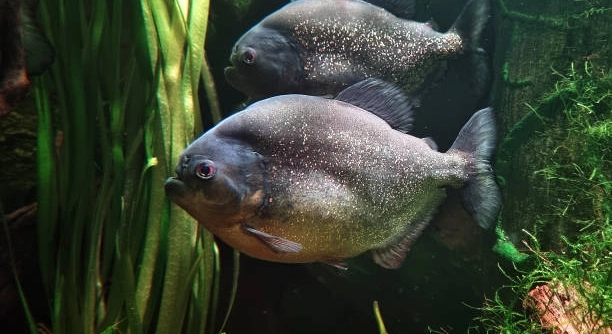
Piranhas are fascinating fish that often attract attention with their lively behavior. Sometimes, these fish swim in circles, which can be puzzling for their owners. Understanding why this happens can help in providing better care for them.
Circular swimming in piranhas is typically a sign of stress, illness, or environmental issues. Factors such as poor water quality, inadequate tank size, or internal parasites often cause this behavior and require prompt attention to ensure the fish’s well-being.
Recognizing the reasons behind this swimming pattern can improve your piranha’s health and prevent potential problems in your aquarium. This article explains the causes and solutions clearly.
Common Causes of Circular Swimming in Piranhas
Circular swimming is often linked to stress or discomfort in piranhas. One frequent cause is poor water quality, which can result from high ammonia, nitrite, or nitrate levels. These conditions irritate the fish and affect their behavior. Another factor is an improperly sized tank. Piranhas need enough space to swim freely; otherwise, they may show repetitive or abnormal movements. Illness is also a concern. Parasites or infections can affect a piranha’s nervous system, leading to swimming in circles. Sometimes, a sudden change in the environment, like new tank mates or altered lighting, triggers stress-related behaviors. Monitoring water parameters regularly and maintaining a clean, stable environment helps reduce these risks. It is also important to observe your fish for other symptoms, such as loss of appetite or unusual spots. These signs often accompany circular swimming and indicate the need for prompt action.
Maintaining consistent tank conditions is essential to prevent stress-related swimming behaviors in piranhas.
Piranhas are sensitive to their environment, and any disturbance can impact their health. Stress weakens their immune system, making them vulnerable to infections. When they swim in circles, it signals that something is wrong. Testing water quality with reliable kits can identify harmful chemicals. Frequent water changes and good filtration improve tank health. The tank should provide enough space and hiding spots to reduce anxiety. Illnesses may require treatment with medication, but early detection is crucial. Additionally, avoid overcrowding and aggressive tank mates, as these factors increase stress. A calm, stable environment supports normal behavior and overall health in piranhas.
How to Help Your Piranha Swim Normally Again
Improving water quality and tank conditions is the first step to help your piranha swim normally again.
Begin by testing the water for ammonia, nitrites, and nitrates, and perform regular water changes if levels are high. Increase the tank size if it is too small, allowing the fish more room to swim comfortably. Add hiding spots to reduce stress and avoid sudden environmental changes. If illness is suspected, isolate the fish and consider veterinary advice or appropriate medication. Keep the tank clean and maintain a steady temperature to support recovery. Monitor your piranha’s behavior closely during this process. With proper care and patience, most piranhas return to normal swimming patterns over time. Addressing these factors promptly prevents long-term health problems and improves your fish’s quality of life.
Recognizing Signs of Stress in Piranhas
Stress in piranhas often shows through changes in behavior or appearance. Swimming in circles is one clear sign, but others include loss of appetite, faded colors, and lethargy.
Stress can be caused by poor water quality, overcrowding, or aggressive tank mates. These factors disrupt the fish’s normal routine and affect its health. When stressed, piranhas become vulnerable to diseases and may hide more often or show rapid breathing. Observing these signs early helps prevent more serious issues. Regular tank maintenance and monitoring can reduce stress levels. Stress signs usually appear before physical symptoms, making prompt attention crucial.
Managing stress involves creating a calm environment with proper water conditions and minimal disturbances. Keeping the tank clean, stable, and well-sized helps your piranha feel secure. Avoid sudden changes and limit interactions with aggressive fish. Providing hiding spots reduces anxiety and supports recovery. A stable routine ensures your piranha stays healthy and active, reducing the chance of circular swimming caused by stress.
Environmental Factors Affecting Swimming Patterns
Water temperature plays a significant role in piranha behavior. Temperatures that are too low or too high can disrupt normal swimming. Piranhas thrive in water between 74°F and 82°F. Outside this range, they may become sluggish or overly active, sometimes swimming in circles. Maintaining stable temperature prevents stress caused by sudden fluctuations.
Lighting also impacts piranha behavior. Too bright or inconsistent lighting may cause discomfort and abnormal movements. Using a consistent light schedule with moderate intensity helps. Tank decorations and layout influence swimming space and security. A cluttered or bare tank can cause stress, leading to repetitive swimming patterns. Proper environmental control supports natural behavior and overall health.
Common Health Issues Causing Circular Swimming
Internal parasites and infections can cause piranhas to swim in circles. These health problems affect the nervous system or balance, making it hard for the fish to swim straight.
If you notice other symptoms like clamped fins, discoloration, or swelling, it is likely a health issue. Prompt treatment is necessary to prevent worsening conditions.
Diagnosing Illness in Piranhas
Identifying illness starts with observing behavior and physical signs carefully. Look for changes in appetite, skin appearance, or unusual swimming patterns. Testing water quality rules out environmental causes. If symptoms persist despite good water conditions, consider consulting a vet or using aquarium medications designed for parasites or bacterial infections.
Proper diagnosis allows targeted treatment, increasing the chances of recovery and reducing stress for your piranha.
Adjusting Tank Size
A cramped tank limits natural swimming and often leads to abnormal behaviors like swimming in circles.
Upgrading to a larger tank helps piranhas swim freely and reduces stress.
Importance of Hiding Spots
Hiding places reduce anxiety and give piranhas a sense of security, which supports healthier behavior.
FAQ
Why is my piranha swimming in circles nonstop?
This behavior often indicates stress, illness, or poor environmental conditions. Continuous circular swimming suggests your piranha might be experiencing discomfort from water quality issues, parasites, or a tank that is too small. Immediate action is important to prevent further health decline.
How can I improve my piranha’s environment to stop this behavior?
Test your water regularly for ammonia, nitrites, and nitrates. Keep these levels within safe limits. Ensure your tank is large enough—at least 20 gallons per piranha—and provide hiding spots. Maintain stable temperature and lighting. Avoid overcrowding and aggressive tank mates to reduce stress.
Could my piranha have an infection?
Yes, infections and parasites often cause abnormal swimming patterns. Look for signs like discoloration, clamped fins, lethargy, or loss of appetite. If you suspect illness, isolate the affected fish and treat it with appropriate medication after consulting an expert or veterinarian.
Is tank size really that important for my piranha’s health?
Absolutely. Piranhas are active fish that need space to swim naturally. A small tank causes stress and repetitive behaviors like circular swimming. Providing a larger tank with proper filtration supports their physical and mental health.
What water temperature is best for piranhas?
Piranhas do best in temperatures between 74°F and 82°F (23°C to 28°C). Temperatures outside this range cause stress and can lead to unusual behavior. Use a reliable heater and thermometer to keep the temperature stable.
Can lighting affect my piranha’s behavior?
Yes. Bright or inconsistent lighting may cause discomfort and stress, triggering abnormal swimming. Use moderate lighting and a consistent day-night cycle to promote normal behavior.
How often should I clean the tank?
Regular cleaning is essential. Perform partial water changes of about 20-30% every week to keep water quality high. Clean the substrate and filters as needed but avoid removing beneficial bacteria. Good maintenance prevents stress-related behaviors.
Can stress cause my piranha to swim in circles?
Stress is a common cause of circular swimming. Factors include poor water quality, tank overcrowding, aggressive tank mates, or sudden changes in the environment. Reducing stress by improving tank conditions usually helps correct this behavior.
What should I do if my piranha has parasites?
If parasites are suspected, isolate your piranha to prevent spreading. Treat the fish with parasite-specific medication. Follow dosage instructions carefully and monitor your fish during treatment. Maintaining clean water helps prevent future infestations.
Are there any signs that indicate serious health problems?
Yes. Signs such as constant circular swimming combined with loss of appetite, rapid breathing, swollen body parts, or severe discoloration suggest serious issues. Seek advice from a vet or aquatic specialist immediately.
Can diet impact my piranha’s behavior?
Yes, a poor diet can weaken your piranha’s immune system, making it more prone to illness and stress. Provide a varied diet of high-quality pellets, fresh fish, and occasional live food to maintain health and normal behavior.
How do I prevent my piranha from swimming in circles in the future?
Maintain consistent water quality, provide adequate tank space, stable temperature, and a calm environment. Monitor behavior regularly and address health issues quickly. A well-maintained tank supports your piranha’s well-being.
Is it normal for young piranhas to swim in circles?
Young piranhas may swim in circles occasionally during exploration or play, but persistent circular swimming usually indicates stress or health issues. Keep an eye on water quality and tank conditions to ensure proper development.
What types of tank mates are suitable for piranhas?
Piranhas can be aggressive, so tank mates must be chosen carefully. Larger, robust fish that are not overly aggressive or too small to be prey are better choices. Avoid overcrowding to minimize stress and aggression.
How long does it take for a piranha to recover from stress or illness?
Recovery time varies depending on the cause and treatment. Minor stress might resolve within days after improving tank conditions. Illness recovery could take weeks and requires proper care and medication. Patience and monitoring are key.
Final Thoughts
Understanding why your piranha swims in circles is important for maintaining its health and well-being. This behavior is often a sign of stress, illness, or poor environmental conditions. Recognizing the cause early can help prevent serious problems and improve your fish’s quality of life. Many factors contribute to circular swimming, including water quality, tank size, temperature, and health issues like infections or parasites. Taking time to observe your piranha and its surroundings closely allows you to respond appropriately and make necessary adjustments.
Maintaining a proper environment is key to preventing this behavior. Regular water testing and cleaning help keep the tank stable and free of harmful substances. Ensuring the tank is large enough gives your piranha space to swim naturally, which reduces stress. Temperature and lighting should be consistent and within suitable ranges to support normal activity. Adding hiding spots and minimizing disturbances create a safer space for your fish. These simple steps promote a calm, healthy habitat that discourages abnormal swimming.
If your piranha continues to swim in circles despite good tank conditions, illness may be the cause. Look for other signs like changes in appetite, appearance, or energy levels. Timely diagnosis and treatment are essential to help your piranha recover. When in doubt, consulting a veterinarian or aquarium specialist is the best course of action. With proper care, most piranhas can return to normal behavior. Consistent attention to their environment and health will keep your piranha active and comfortable over the long term.

Hello,
If you enjoy the content that we create, please consider saying a "Thank You!" by leaving a tip.
Every little bit helps us continue crafting quality advice that supports the health, happiness, and well-being of pets around the world, for pets of all shapes, sizes, and species.
We really appreciate the kindness and support that you show us!