
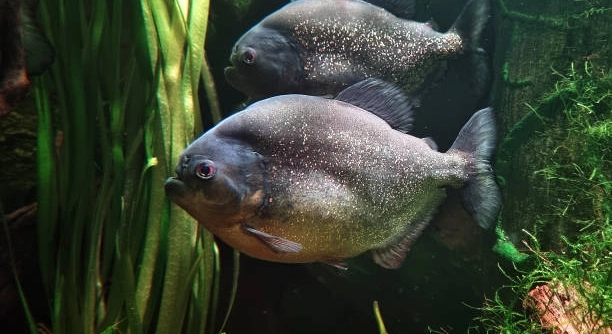
Many piranha owners notice their fish spending a lot of time near the water’s surface. This behavior can feel unusual and sometimes worrying for those new to keeping these interesting fish. Understanding why it happens is helpful for their care.
Piranhas often stay near the surface due to low oxygen levels in the water, stress, or water temperature issues. This behavior indicates that the fish is trying to access more oxygen or react to environmental changes in its tank.
Knowing the reasons behind this habit will help you create a healthier environment for your piranha. It’s important to recognize these signs early to keep your fish comfortable and thriving.
Common Reasons Piranhas Stay Near the Surface
Piranhas staying near the surface often means they are struggling with oxygen. Water at the top holds more oxygen than deeper parts, so when oxygen is low, piranhas swim upward to breathe easier. Poor water quality, such as excess waste or uneaten food, can also reduce oxygen levels. Tank temperature plays a role, too—warmer water holds less oxygen, pushing fish to the surface. Stress is another factor; sudden changes in the environment or overcrowding can make piranhas uneasy, causing them to stay near the surface. It’s important to regularly check your tank’s conditions and maintain cleanliness to help your fish feel safe and healthy.
Maintaining proper oxygen levels and stable water conditions will reduce surface swimming. This can prevent potential health issues for your piranha.
By understanding these common reasons, you can take clear steps to improve your fish’s environment. Adjusting water temperature, cleaning the tank, and adding aeration are simple ways to help. Monitoring behavior closely lets you spot problems early and keep your piranha comfortable.
How to Improve Oxygen Levels in Your Tank
Adding an air stone or filter that creates water movement helps increase oxygen in the tank. This keeps water circulating and prevents low oxygen zones where fish might struggle.
Regular water changes are essential. Removing old water and replacing it with fresh, oxygen-rich water keeps conditions stable. Cleaning the tank also removes debris that can reduce oxygen levels.
Avoid overfeeding, as leftover food decomposes and lowers water quality. Be sure not to crowd the tank either, since too many fish consume oxygen quickly. Keeping the tank cooler, but within a safe range for piranhas, can also help hold more oxygen in the water.
Making these small adjustments improves your piranha’s health and reduces their need to stay near the surface. A well-maintained tank supports a happier and more active fish.
Signs of Stress in Piranhas
Stress can cause your piranha to stay near the surface. It often appears when the tank environment changes suddenly or if the fish feels threatened. Watch for unusual swimming patterns, loss of appetite, or hiding more than usual. These are common signs.
Stress in piranhas may come from overcrowding or aggressive tank mates. If there are too many fish in a small space, they compete for oxygen and territory, which makes your piranha uneasy. Loud noises or sudden movements near the tank can also trigger stress responses.
Poor water quality adds to stress by irritating the fish’s skin and gills. Regular testing and water changes can prevent this. Keeping your piranha’s environment stable and quiet helps reduce stress, encouraging normal behavior and keeping the fish healthy.
Temperature’s Impact on Piranha Behavior
Piranhas prefer water between 75°F and 80°F. Temperatures outside this range can affect their behavior and oxygen needs. Warmer water holds less oxygen, making fish swim near the surface to breathe better.
If your tank gets too warm, your piranha may become sluggish or show signs of distress. Cooler water slows their metabolism but too cold can also be harmful. Using a reliable aquarium heater and thermometer helps keep the temperature steady.
Avoid placing the tank near windows or heat sources to prevent sudden temperature changes. Stable temperature creates a comfortable environment, reducing stress and keeping your piranha active and healthy.
Tank Size and Space
A small tank limits your piranha’s movement and reduces oxygen levels quickly. This can make your fish stay near the surface more often. Giving your piranha enough space is important for its health and comfort.
Overcrowding increases waste and competition for oxygen. A larger tank helps avoid these problems and provides a better living environment for your fish.
Feeding and Its Effect on Surface Behavior
Overfeeding leads to leftover food sinking and decaying, which harms water quality and lowers oxygen. This can cause your piranha to stay near the surface to get more oxygen. Feeding in small amounts and removing uneaten food keeps the tank cleaner and healthier for your fish.
Signs of Illness
If your piranha is sick, it may swim near the surface to breathe easier. Look for other signs like faded color, spots, or unusual behavior. Early detection is key to treatment and recovery.
Importance of Regular Maintenance
Keeping your tank clean through regular water changes and filter checks prevents poor water conditions. This helps your piranha stay healthy and reduces surface swimming caused by low oxygen or stress.
FAQ
Why does my piranha keep coming to the surface even though the water looks clean?
Even if the water looks clear, it can still have low oxygen levels or imbalanced chemicals that affect your piranha. Oxygen can drop due to a lack of water movement or high temperature. Testing water parameters like ammonia, nitrites, nitrates, and oxygen is important to understand what’s really happening. A clean-looking tank isn’t always healthy for fish.
Can stress alone cause my piranha to stay near the surface?
Yes, stress can make a piranha stay near the surface. Stress may come from sudden changes in the environment, such as moving the tank, adding new fish, or loud noises nearby. Fish under stress often behave differently, including staying near the surface to find comfort or more oxygen. Reducing stress means keeping a stable, quiet, and calm environment.
How often should I change the water to prevent my piranha from gasping at the surface?
Regular water changes help keep oxygen levels high and remove waste. Changing 20-30% of the water every week is a good routine for piranhas. More frequent changes may be needed if the tank is overcrowded or the fish are stressed. Fresh water adds oxygen and keeps the environment healthy, preventing the fish from struggling to breathe near the surface.
Does temperature affect how often my piranha stays near the surface?
Yes. When water temperature rises, oxygen levels drop, so your piranha might swim near the surface to get more oxygen. Keeping the tank temperature steady between 75°F and 80°F helps prevent this behavior. Avoid sudden temperature changes by placing the tank away from windows or heat sources.
Is my tank size causing my piranha to stay near the surface?
Tank size matters a lot. Small tanks hold less oxygen and cause more stress because of limited space. Piranhas need at least a 30-gallon tank for one fish, and bigger is always better. More space means better oxygen distribution and less competition, helping your piranha feel comfortable and less likely to hang out near the surface.
What equipment can help improve oxygen levels in my tank?
Air stones, filters with good water flow, and powerheads increase oxygen by moving water and adding bubbles. These devices help prevent stagnant areas and keep oxygen evenly spread throughout the tank. Proper aeration reduces surface swimming caused by oxygen shortage and supports overall fish health.
Can overfeeding cause my piranha to stay near the surface?
Overfeeding leaves uneaten food to rot, which lowers oxygen and pollutes the water. This makes your piranha swim near the surface to breathe easier. Feed small amounts your fish can eat within a few minutes and remove leftovers. This keeps water cleaner and healthier.
How do I know if my piranha is sick or just stressed?
Stress usually shows as unusual swimming or hiding, while illness may include faded colors, spots, swollen areas, or breathing problems. If your piranha stays at the surface but also shows physical signs or refuses food, it might be sick. Early detection and treatment are important to prevent worsening health.
Can adding plants help reduce surface swimming?
Live plants improve oxygen levels by producing oxygen during photosynthesis, especially in well-lit tanks. They also create a calmer environment and hideouts, which reduce stress. However, plants alone won’t fix all issues but can be a helpful addition to better water quality and oxygen balance.
Is it normal for piranhas to occasionally stay near the surface?
Sometimes piranhas come to the surface briefly to explore or breathe better in warm water. Occasional visits aren’t a problem. But if your fish stays there for long periods or shows other signs of distress, it means something is off with water quality, oxygen, or stress levels. Monitoring behavior closely helps keep your piranha healthy.
What should I do if my piranha stays near the surface after fixing water and temperature issues?
If the fish still stays near the surface, check for illness or stress factors like aggressive tank mates or overcrowding. Try isolating the fish to observe changes. Sometimes, a veterinary check or expert advice may be needed to diagnose hidden problems.
How can I make sure my piranha tank stays stable long-term?
Keep a regular schedule for water testing, water changes, feeding, and equipment checks. Avoid sudden changes in the tank setup or temperature. Keep the tank clean and provide proper aeration. This routine helps maintain stable oxygen levels and a healthy environment for your piranha, preventing surface swimming issues.
Is it okay for piranhas to breathe air at the surface?
Unlike some fish, piranhas don’t breathe air from the surface. They rely on oxygen dissolved in water. If they stay near the surface, it’s because oxygen levels in the water are low, not because they are gulping air. This behavior signals a problem with water quality or oxygen supply.
How quickly should I act if my piranha is spending too much time near the surface?
It’s best to act immediately. Prolonged surface swimming means low oxygen or stress that can quickly harm your fish. Start by testing water and checking equipment, then improve aeration and water quality. Early action helps prevent illness and keeps your piranha safe.
Can other fish in the tank affect my piranha’s surface behavior?
Yes. Aggressive or overcrowded tank mates can stress your piranha and reduce available oxygen. Competition for space and food may push your fish to the surface for more comfort or oxygen. Ensuring compatible companions and enough space helps reduce this problem.
Keeping a piranha healthy and comfortable in your tank means paying attention to where it spends its time. When your piranha stays near the surface, it often signals that something is not quite right. It might be trying to get more oxygen, reacting to stress, or dealing with water conditions that need fixing. Understanding these reasons helps you care better for your fish and improve its environment.
The health of your tank is very important for your piranha’s well-being. Proper oxygen levels, clean water, and a good tank size all work together to keep your fish happy. Temperature also plays a big role since warmer water holds less oxygen, which can lead your piranha to stay near the surface. Keeping the tank clean, maintaining the right temperature, and ensuring good water circulation through filters or air stones can make a big difference in how your fish behaves.
It’s also important to watch for signs of stress or illness. Your piranha may stay near the surface because it feels unsafe or is struggling with health issues. Regular checks of water quality and observing your fish closely help you catch problems early. Taking care of your piranha means being patient and consistent with tank maintenance and feeding. With the right care, your piranha can live a healthy and active life, spending its time exploring the whole tank rather than just the surface.

Hello,
If you enjoy the content that we create, please consider saying a "Thank You!" by leaving a tip.
Every little bit helps us continue crafting quality advice that supports the health, happiness, and well-being of pets around the world, for pets of all shapes, sizes, and species.
We really appreciate the kindness and support that you show us!