
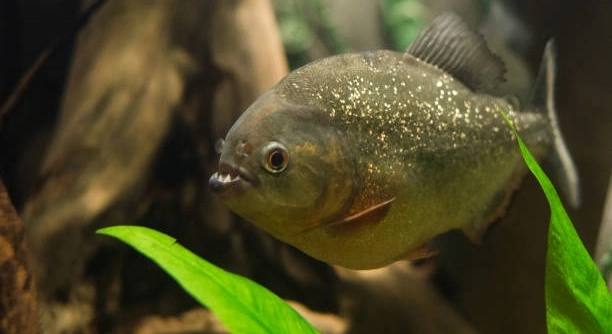
Piranhas are known for their sharp teeth and active behavior. Their interaction with tank décor can be surprising and varied. These interactions often reveal aspects of their natural instincts and environment preferences within home aquariums.
Piranhas interact with tank décor in several distinct ways, including hiding among plants, using objects for territorial boundaries, and engaging with items during feeding. These behaviors help mimic their natural habitat, reduce stress, and promote healthy activity.
Observing these behaviors provides valuable insight into piranha care. Understanding their interaction with décor can enhance tank setup and improve their well-being over time.
Piranhas and Hiding Spots
Piranhas often use tank décor as hiding spots. They feel safer when they have places to retreat, which lowers their stress. Plants, caves, and driftwood provide excellent shelter. These hiding places simulate their natural river environments, where cover is vital for protection. Without adequate hiding spots, piranhas can become more aggressive or stressed, which affects their health. Observing them tuck themselves into these spaces shows their instinct to stay secure. Using varied décor with different shapes and textures can encourage natural behavior. It also helps break line-of-sight, reducing territorial disputes. In a home aquarium, this can mean fewer fights and a calmer tank overall. Proper placement of décor is important; too few or too many hiding places can change how they interact with each other and their environment. Monitoring their use of hiding spots helps adjust the tank setup as needed.
Providing piranhas with safe spaces promotes their well-being and helps maintain a balanced tank environment over time.
Adjusting décor for comfort creates a more natural habitat. Piranhas feel less threatened and behave more calmly when they can hide or rest. This also allows them to explore the tank at their own pace, reducing overall stress. Proper décor is essential for a healthy aquarium.
Territorial Behavior Around Décor
Piranhas use tank décor to mark their territory, especially during feeding or breeding times. Objects such as rocks or plants become boundaries they defend. Territoriality is natural and helps establish order within the tank. However, too few boundaries can lead to conflicts and stress. Proper décor arrangement helps create defined spaces for each fish. This reduces aggressive encounters and allows piranhas to coexist more peacefully. Watching how they guard specific areas shows how important décor is in their social structure. Adjusting the tank to include enough distinct zones prevents overcrowding and territorial fights. Adding more décor or rearranging existing items can help maintain balance among tank mates. Understanding this behavior allows better management of tank dynamics and improves fish health.
Territorial behavior is common in piranhas, and tank décor plays a key role in managing these interactions safely.
Interaction with Floating Plants
Floating plants create shaded areas that piranhas often use to feel secure. These plants help reduce light intensity and provide natural cover. The shade mimics their natural habitat, making the tank more comfortable for them.
The presence of floating plants can influence piranha behavior significantly. Piranhas tend to stay beneath these plants during the day when they want to rest or avoid bright light. This behavior reduces stress by creating a calmer environment. Floating plants also improve water quality by absorbing excess nutrients, which benefits the fish. Maintaining a balance of floating plants ensures the tank remains neither too dark nor too open.
Additionally, floating plants contribute to the tank’s oxygen levels and overall ecosystem stability. They provide a natural feel, encouraging natural piranha behaviors such as lurking and ambushing. These plants also serve as a gentle divider in the aquarium, subtly separating territories without causing aggression. Proper management of floating plants supports both the health and comfort of piranhas in captivity.
Piranhas and Decorative Rocks
Decorative rocks are often used by piranhas for exploration and establishing territory. They offer a tactile element for the fish to interact with and sometimes rest upon. Rocks also create visual boundaries in the tank.
Rocks influence piranha behavior by providing solid surfaces that contrast with plants or open water. Piranhas may use rocks as lookout points or places to rest between movements. The texture and shape of rocks allow fish to engage with their environment actively, which prevents boredom. Rocks can also serve as landmarks, helping piranhas recognize specific areas within their space. Careful arrangement of rocks helps distribute fish evenly and reduces conflict.
Choosing the right size and type of rocks is essential to avoid injury or damage to the tank. Smooth, rounded stones work best, preventing sharp edges that could harm the fish. The placement of rocks must allow clear swimming paths to avoid trapping or stressing the fish. Regular cleaning of rocks is necessary to prevent algae buildup and maintain a healthy environment. Overall, decorative rocks add both function and aesthetic value to a piranha tank.
Piranhas and Driftwood
Driftwood provides natural shelter and surfaces for piranhas to explore. It creates hiding spots and adds texture to the tank environment.
The wood also helps simulate a riverbed setting, which piranhas prefer. It softens the water slightly, benefiting their health and comfort.
Interaction with Tank Substrate
Piranhas often sift through the substrate, searching for leftover food or small particles. This behavior keeps them engaged and stimulates natural foraging instincts.
Piranhas and Artificial Décor
Artificial décor like plastic plants or castles may not provide the same comfort as natural items. Piranhas may ignore or avoid these objects, especially if they feel unnatural or unsafe.
Impact of Décor on Water Flow
Tank décor influences water circulation by creating barriers or channels. This affects how piranhas swim and interact with their environment, sometimes providing calmer zones for resting.
FAQ
How do piranhas typically interact with tank décor?
Piranhas use tank décor mainly for hiding, exploring, and marking territory. They seek shelter in caves, plants, or driftwood to feel secure. They also use décor to define personal space and reduce conflicts. Exploration of objects stimulates their natural instincts and helps prevent boredom.
Can certain types of décor cause stress to piranhas?
Yes, décor that is too sparse or too crowded can increase stress. Lack of hiding places leaves piranhas exposed, while overcrowded tanks reduce swimming space and can trigger aggression. Artificial décor that feels unnatural may also discourage interaction, causing discomfort or avoidance. Balance and natural elements help reduce stress.
Is it important to clean tank décor regularly?
Cleaning tank décor is essential to prevent algae buildup and bacterial growth. Algae can block light and affect water quality, while bacteria can cause diseases. Regular cleaning with aquarium-safe methods keeps décor safe for piranhas and maintains a healthy environment without disrupting beneficial bacteria.
Do piranhas prefer natural décor over artificial items?
Generally, piranhas respond better to natural décor like plants, rocks, and driftwood. These items mimic their native habitat and provide appropriate textures and hiding places. Artificial décor may be used, but it should be safe and not sharp. Natural elements also help maintain water conditions suitable for piranhas.
How does décor placement affect piranha behavior?
Proper placement creates defined territories and reduces stress. Spacing décor evenly avoids crowding and offers multiple hiding spots. This setup lowers aggression by allowing piranhas to establish boundaries. Poor arrangement can block swimming paths or concentrate fish in small areas, increasing conflict risk.
Can piranhas damage tank décor?
Piranhas can nibble on soft plants and occasionally move lightweight décor items. Hard objects like rocks and driftwood are usually safe. Some piranhas might scratch or bite décor during territorial disputes or feeding, but damage is generally minimal if décor is sturdy and well-placed.
Does décor affect water flow in a piranha tank?
Yes, décor can create areas of calm water or stronger currents depending on its shape and placement. Calm zones near décor allow piranhas to rest and hide. However, poorly arranged décor may block filtration flow or create stagnant spots, which should be avoided for water quality.
Are there specific décor materials to avoid in a piranha tank?
Avoid décor with sharp edges, toxic materials, or unstable construction. Some plastics or metals can leach harmful substances. It’s best to use aquarium-safe décor designed for freshwater tanks. Natural materials like untreated wood and smooth stones are preferred for safety and comfort.
How often should décor be rearranged in a piranha tank?
Frequent rearrangement can stress piranhas, so it’s best to keep décor stable once the fish are accustomed. Minor adjustments may be made to improve space or reduce aggression, but major changes should be done gradually with observation of fish behavior to avoid stress.
Can tank décor help with breeding piranhas?
Yes, specific décor like caves or dense plants offers ideal breeding sites. These spots provide shelter for eggs and fry, increasing survival chances. Proper décor arrangement helps simulate natural conditions, encouraging natural breeding behaviors in captivity.
Final Thoughts
Tank décor plays an important role in shaping how piranhas behave and interact within their environment. Natural elements such as plants, rocks, and driftwood offer shelter and stimulation, helping piranhas feel secure and less stressed. These items replicate aspects of their natural habitat, which supports their health and wellbeing. A well-decorated tank encourages natural behaviors, such as exploring, hiding, and territorial marking. This makes the environment more engaging for the fish and easier to manage for the keeper.
Proper arrangement and selection of décor are key factors in maintaining a balanced tank. Overcrowding the tank with too many decorations can restrict swimming space and increase aggression among piranhas. Conversely, having too few hiding spots leaves the fish exposed and vulnerable to stress. Finding the right balance involves considering the size of the tank, the number of fish, and their specific needs. It is also important to choose décor made from safe materials to avoid injuries or contamination. Regular cleaning and occasional rearrangement can help maintain water quality and adapt the environment as the fish grow or change.
In summary, tank décor is more than just a visual addition—it directly affects piranha behavior and wellbeing. Using natural, safe, and thoughtfully placed décor creates a healthier and more comfortable habitat. It supports the fish’s natural instincts and reduces stress, leading to a more harmonious aquarium. Observing how piranhas interact with their décor provides insight into their needs and preferences, which helps in making better care decisions. Paying attention to these details contributes to the long-term success of keeping piranhas in captivity.

Hello,
If you enjoy the content that we create, please consider saying a "Thank You!" by leaving a tip.
Every little bit helps us continue crafting quality advice that supports the health, happiness, and well-being of pets around the world, for pets of all shapes, sizes, and species.
We really appreciate the kindness and support that you show us!