
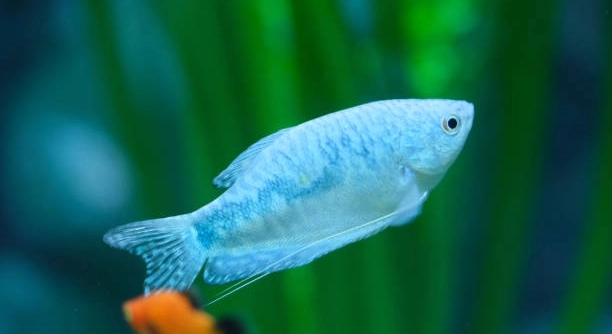
Gouramis are popular freshwater fish known for their peaceful nature and interesting behaviors. Watching their interactions over time can reveal subtle changes that may go unnoticed at first. These changes can tell us a lot about their social dynamics and environment.
Over the course of seven days, gouramis show gradual shifts in how they interact with each other. These changes can include variations in swimming patterns, proximity, and communication signals. Careful observation helps identify these subtle differences and understand their social behavior better.
Observing these small changes provides valuable insight into gourami wellbeing and their relationships within the tank. It encourages a closer look at how they adapt and respond to their surroundings.
Early Signs of Interaction Changes
In the first couple of days, gouramis may start to show small differences in how they move around each other. You might notice they swim a bit closer or keep a little more distance than usual. Their usual calm swimming can become slightly more active or more cautious. These early changes often go unnoticed because they are so subtle. They might also begin to use their fins more expressively, almost like quiet signals to the other fish. These small movements can indicate shifts in comfort levels or social hierarchy. It’s important to watch these early signs carefully, as they can hint at future changes in group behavior. Paying attention helps to make sure the tank conditions are still good and that no stress is causing these adjustments. Early detection can help maintain a peaceful environment for your gouramis.
These small changes in movement and spacing often mark the beginning of social adjustments among gouramis. They are quiet but important signals.
Keeping a close eye on these early behaviors helps you understand how your gouramis are feeling and reacting. Noticing when they start to swim differently or change their usual spots in the tank can give clues about their relationships. It may also show if one fish is becoming more dominant or if others are feeling uneasy. These subtle changes are natural but deserve attention to keep your tank balanced and stress-free for all the fish.
Changes in Social Behavior by Day Four
By the fourth day, gouramis often start to show clearer signs of changing social behavior. They might interact more directly, such as swimming side by side or briefly chasing each other. Sometimes you’ll see them display their colors more brightly or flare their fins, which is a form of communication. These behaviors help establish social roles within the group. It is common to see some gouramis becoming more assertive while others take a step back. These interactions are usually gentle but important for keeping order. Observing this stage gives a better understanding of how your fish relate to one another and adjust to their environment.
Around this time, social signals become more noticeable and frequent in gourami groups.
These clearer social behaviors show how gouramis use body language to communicate. Flared fins and color changes serve as signals to express mood or establish boundaries. These actions prevent real fights by letting others know when to keep distance. Watching these interactions over several days allows you to see who is leading and who is more submissive. Understanding these roles helps ensure your fish stay comfortable and avoid unnecessary stress. Keeping tank conditions stable during this period supports healthy social development. It also helps you decide if any changes are needed to improve the environment or reduce tensions.
Gradual Shifts in Territory
Gouramis often start to show subtle changes in how they claim their space within the tank. These shifts are part of their way of adjusting to each other and the environment. Watching these shifts closely helps understand their comfort levels.
Over time, gouramis may begin to favor certain areas of the tank more consistently. This behavior is linked to establishing personal territory. Some fish become more protective of spots with hiding places or near plants. Others may avoid areas dominated by more assertive gouramis. These small changes in territory use help reduce conflict and create a balance in the tank. It also reflects how each fish feels about its position in the group. Observing these shifts gives clues about social hierarchy and how well the tank setup supports their needs.
Territorial behavior can be subtle but shows important social cues. Gouramis use these changes to signal presence without direct confrontation. This balance helps keep interactions calm and predictable. Shifts in territory also highlight the importance of tank layout. Having enough space and hiding spots reduces stress and supports peaceful coexistence. Paying attention to how gouramis move and claim space can improve your understanding of their social dynamics. It encourages a healthy and natural environment for them to thrive.
Interaction Patterns on Day Seven
By day seven, the interaction patterns among gouramis become more established and consistent. Fish tend to settle into clear roles within their social group. These patterns show how well they have adapted to each other.
The interactions on this day often reveal a stable social structure. Some gouramis become leaders, frequently initiating swims or displaying fins, while others take more passive roles. This balance helps keep the group peaceful and reduces unnecessary chasing or aggression. At this stage, fish may also synchronize some movements, like swimming together or resting near each other. This signals acceptance and comfort in their roles. Day seven marks a point where behaviors become predictable, showing successful social adjustment. Understanding these patterns allows for better tank management, including feeding schedules and space arrangement, to support continued harmony.
Subtle Communication Signals
Gouramis use small gestures to communicate with each other. These include fin movements, changes in body color, and brief glances. These subtle signals help maintain peace without direct conflict.
These quiet cues are important for expressing mood and intentions. Paying attention to them reveals how gouramis interact and avoid stress in the tank.
Responses to Environmental Changes
When something in their environment shifts, gouramis quickly adjust their behavior. This can include changes in lighting, water temperature, or tank decorations. Such changes affect their interaction patterns and comfort levels.
Gouramis become more cautious or curious depending on the nature of the change. Observing how they respond helps identify which environmental factors are most important for their wellbeing. Maintaining stable, suitable conditions supports calm and positive social behavior, ensuring the fish remain healthy and active.
Signs of Stress in Interaction
Stress in gouramis often shows as reduced movement, hiding, or increased aggression. Recognizing these signs early helps prevent health problems and conflict.
Creating a calm environment is key to minimizing stress and encouraging natural interactions.
FAQ
How can I tell if my gouramis are stressed?
Stress in gouramis often shows through changes in behavior. They may hide more than usual or stay still at the bottom of the tank. Sometimes, stressed gouramis become more aggressive or chase others around. Their colors might also become dull or faded. Watching for these signs early can help you adjust the environment or care routine before stress leads to illness.
What causes changes in gourami interactions over time?
Gouramis naturally adjust their social behaviors based on tank conditions, space, and the presence of other fish. Changes in water quality, lighting, or tank decorations can influence their comfort. Social hierarchy also shifts as some fish become more dominant or shy. These factors cause the subtle interaction changes you observe over days.
Are all gouramis peaceful with each other?
Generally, gouramis are peaceful fish, but they do establish social hierarchies. Some individuals may become more territorial or assertive, especially males. Minor chasing and fin displays are normal ways to communicate boundaries. However, serious aggression is uncommon in well-maintained tanks with enough space and hiding spots.
How long does it take for gouramis to settle into a social group?
It usually takes about a week for gouramis to form stable social relationships. During this time, they test boundaries with fin displays and swimming patterns. By day seven, most interactions become predictable, and a balance is reached where each fish knows its place.
What should I do if I notice aggression?
If aggression occurs, first check your tank setup. Make sure there is enough space and plenty of plants or decorations to break sight lines and offer hiding spots. You might need to rearrange the tank or add more cover. Sometimes separating the most aggressive individual for a short period helps reduce tension. Regular water changes and stable conditions also support calmer behavior.
Do gouramis communicate differently at night?
Gouramis are less active at night and generally reduce their social interactions. They tend to rest near plants or decorations. While communication is quieter, subtle movements like fin flicks can still happen as a way to keep social bonds without disturbing rest.
Can changes in diet affect gourami behavior?
Yes, diet impacts their energy levels and mood. A poor diet can make gouramis less active or more irritable. Feeding a balanced diet with variety supports healthy behavior and social interactions. Overfeeding or sudden changes in food can also stress them.
How important is tank size for gourami interaction?
Tank size plays a big role in how gouramis interact. Small or crowded tanks increase stress and aggression. Larger tanks allow each fish to claim territory and avoid conflict. Providing enough room encourages natural behaviors and peaceful social patterns.
Is it normal for gouramis to chase each other sometimes?
Yes, brief chasing is normal as part of their communication. It helps them establish social order without serious fights. If chasing is constant or leads to injury, it indicates a problem with tank conditions or population balance.
How do I encourage peaceful interactions among gouramis?
Maintain clean water, provide enough space, and include plants or decorations for hiding. Keep a consistent feeding schedule and avoid sudden changes in the tank environment. Introducing gouramis together at a young age can also help them form bonds naturally. Monitoring their behavior daily lets you catch and fix issues early.
Final thoughts on observing gouramis over seven days show how important small changes in behavior can be. These fish communicate in quiet ways that might be easy to miss at first. Paying close attention to their movements, colors, and how they interact helps you understand what is happening in the tank. Over time, you begin to see patterns in how they behave with each other and their environment. These patterns reveal their comfort levels and social needs. Recognizing these subtle signals is key to providing the best care and ensuring a peaceful tank atmosphere.
Watching how gouramis change their interaction over a week also highlights how adaptable they are. They adjust their space, movement, and communication based on what is happening around them. These adjustments help reduce conflict and create balance within the group. Every gourami may find its own place and role by day seven, which shows their ability to settle and live together calmly. This process depends a lot on having a good environment with enough space, clean water, and places to hide. It is a reminder that small details in tank setup can greatly affect how your fish live and interact.
Lastly, being patient and observant is important when caring for gouramis. Changes in behavior are often gradual and sometimes hard to spot right away. Taking time to notice these subtle signs can prevent problems before they grow. It also helps you understand your fish better and enjoy their natural behaviors more. Keeping a calm and steady environment supports their social well-being. In the end, attention to these little changes helps gouramis stay healthy and happy in your care.

Hello,
If you enjoy the content that we create, please consider saying a "Thank You!" by leaving a tip.
Every little bit helps us continue crafting quality advice that supports the health, happiness, and well-being of pets around the world, for pets of all shapes, sizes, and species.
We really appreciate the kindness and support that you show us!