
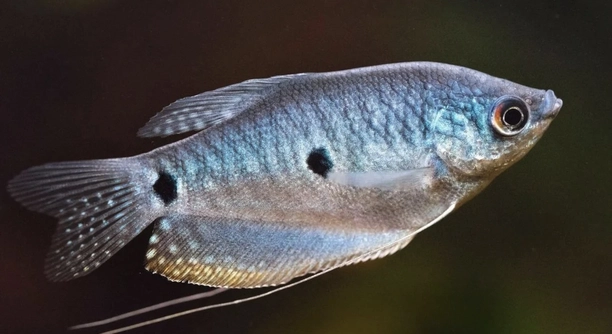
Gouramis are popular aquarium fish known for their unique behaviors. One of these behaviors is blowing bubbles, which can happen even when they are not building nests. This action often puzzles fish owners and enthusiasts alike.
Gouramis blow bubbles outside nesting time as a natural behavior related to their labyrinth organ, which helps them breathe air. This bubble blowing may assist in oxygen intake, communication, or maintaining their breathing environment, rather than solely for nesting purposes.
Understanding why gouramis exhibit this bubble behavior will help you better care for them and recognize what their actions mean in everyday aquarium life.
Why Gouramis Blow Bubbles Outside Nesting Time
Gouramis have a special organ called the labyrinth organ, which allows them to breathe air from the surface. When they blow bubbles, it often helps them get enough oxygen, especially if the water is low in oxygen. Sometimes, blowing bubbles can also be a way for gouramis to communicate or mark their territory. This behavior is not always related to nesting or breeding but is part of how they interact with their environment. The bubbles help maintain moisture around their breathing area or signal other fish nearby. Watching this behavior can give insight into how your gourami is feeling and how healthy its environment is. If they blow bubbles more often, it might mean the water needs better aeration or cleaning. Paying attention to these little signs helps keep your fish happy and healthy.
Blowing bubbles is a normal and important behavior for gouramis, not just something they do during breeding. It supports their breathing and social interactions in the tank.
This bubble behavior shows how gouramis adapt to their surroundings. Knowing this can help you spot when your fish needs better water conditions or more space. It’s a simple sign but tells a lot about their well-being.
The Labyrinth Organ’s Role in Bubble Blowing
The labyrinth organ is crucial for gouramis because it lets them survive in water with low oxygen. This organ sits above their gills and helps them take in air directly from the surface. When gouramis blow bubbles, they trap air around this organ to keep it moist, which is necessary for proper breathing. The bubbles also sometimes form small bubble nests, but outside of breeding, the bubbles mainly serve to aid respiration. This breathing method makes gouramis unique among fish and allows them to live in water where others might struggle. Maintaining good water quality is still important, but their ability to use air means they can handle a range of environments better than many fish.
Breathing air with the labyrinth organ helps gouramis survive even when oxygen levels in the water drop.
Because gouramis rely on their labyrinth organ, they often come to the surface and blow bubbles as a natural part of their breathing routine. This is especially common in tanks with limited water movement or warmer temperatures, which lower oxygen availability. By blowing bubbles, gouramis create a thin layer of air that stays near their organ, keeping it wet and functional. This behavior is a smart way they cope with changing conditions, showing how well they adjust. Knowing this helps fish owners understand why their gouramis might blow bubbles often, even when they are not nesting or breeding. It also highlights the need for good tank care to keep oxygen levels stable and ensure the fish remain healthy over time.
Bubble Blowing and Communication
Gouramis use bubble blowing as a way to communicate with other fish. This behavior can signal territory or readiness to interact. It’s a natural way they express themselves without aggression.
When gouramis blow bubbles, it may help establish boundaries in their tank. These bubbles can show other fish that a space is claimed, reducing conflicts. It is a gentle signal rather than a threat. Some gouramis also use bubbles to attract mates during breeding periods. Outside of that, the bubble blowing still serves as a social tool, helping maintain peaceful interactions among tank inhabitants. Watching these patterns can help you understand your gourami’s mood and social behavior.
Bubble blowing might also reduce stress by giving gouramis a way to release energy. In a tank with limited space, this behavior keeps social balance. It’s a simple but important part of how gouramis interact with their environment and other fish.
Environmental Factors Affecting Bubble Blowing
Water quality and oxygen levels greatly affect how often gouramis blow bubbles. Poor water or low oxygen causes them to breathe air more frequently.
When oxygen in the water is low, gouramis rely more on their labyrinth organ, leading to more bubble blowing. Warmer water holds less oxygen, so fish in heated tanks may blow bubbles often. Dirty water with too many waste products can also reduce oxygen, making gouramis surface more. Even the size and shape of the tank influence this behavior, as limited water movement lowers oxygen circulation. Keeping the tank clean, properly filtered, and well-aerated helps reduce excessive bubble blowing. Observing this behavior helps identify when environmental changes are needed to keep your fish comfortable and healthy.
Bubble Nests vs. Regular Bubble Blowing
Bubble nests are made mainly by male gouramis during breeding to protect eggs. Regular bubble blowing happens at other times and serves different purposes.
While bubble nests are carefully built and maintained, normal bubble blowing is more casual. It often helps with breathing or communication rather than reproduction.
How to Support Healthy Bubble Blowing
Maintaining clean water and stable oxygen levels is key to healthy bubble blowing. Proper tank care reduces stress and supports your gourami’s natural behaviors. Ensure good filtration, regular water changes, and avoid overcrowding. These steps help your gouramis feel comfortable and less likely to overuse bubble blowing as a stress response.
Signs of Trouble in Bubble Blowing
If your gourami blows bubbles excessively or shows other signs of distress, it may signal poor water quality or illness. Monitor closely to prevent health problems.
FAQ
Why do gouramis blow bubbles even when they are not breeding?
Gouramis blow bubbles outside breeding to help with breathing using their labyrinth organ. This organ lets them take in oxygen directly from the air. When water oxygen levels drop, blowing bubbles becomes a way to get extra air. Sometimes, they also use bubbles to communicate or mark their space, so it’s a natural, ongoing behavior, not just linked to breeding.
Is bubble blowing a sign that something is wrong with my gourami’s tank?
Not always. Some bubble blowing is normal, but if it increases a lot, it could mean the water has low oxygen or poor quality. Warm water, crowded tanks, or dirty filters reduce oxygen, making gouramis surface more often. Check your tank’s cleanliness, temperature, and aeration to keep conditions healthy for your fish.
Do all gouramis blow bubbles in the same way?
Different gourami species may vary in how and when they blow bubbles. Some build large bubble nests during breeding, while others may make smaller bubbles more frequently for breathing. The amount and style of bubble blowing depend on the species, tank setup, and individual behavior.
How can I tell the difference between bubble blowing for breathing and bubble nest building?
Bubble nests are usually large clusters of bubbles floating at the water surface, carefully made and maintained, mainly by males during breeding. Regular bubble blowing for breathing looks less organized and happens more casually. Bubble nests tend to stay in one spot, while breathing bubbles appear more scattered.
Should I worry if my gourami stops blowing bubbles?
A sudden stop in bubble blowing could be a sign of stress, illness, or poor water quality. Since bubble blowing supports their breathing, a lack of bubbles might mean your fish is not comfortable or is unwell. Monitor other signs like appetite, movement, and breathing, and check water parameters to ensure a healthy environment.
Can bubble blowing help me know when to change the water?
Yes, increased bubble blowing can signal low oxygen or poor water quality, which often means it’s time for a water change. Keeping your tank clean with regular maintenance helps keep oxygen levels stable and reduces the need for gouramis to rely heavily on bubble blowing.
Is it harmful if my gourami blows bubbles too often?
Blowing bubbles is a natural behavior and not harmful by itself. However, excessive bubble blowing can indicate stress or unsuitable tank conditions. It’s a sign to check water parameters, temperature, and tank setup to prevent long-term health problems for your fish.
What tank conditions support healthy bubble blowing?
Healthy bubble blowing happens when the tank has good oxygen levels, clean water, and stable temperature. Good filtration and moderate water movement help keep oxygen circulating. Avoid overcrowding and maintain regular water changes to support your gouramis’ natural breathing behavior and overall health.
Can other fish in the tank affect my gourami’s bubble blowing?
Yes, other fish can affect gourami behavior. Aggressive or territorial tank mates might cause stress, leading to changes in bubble blowing frequency. A peaceful community tank helps gouramis feel safe and behave naturally, including their bubble blowing patterns.
Do gouramis blow bubbles differently in smaller tanks?
In smaller tanks, oxygen levels may drop more quickly, causing gouramis to blow bubbles more often to get enough air. Limited space and less water movement can increase this behavior. Providing good filtration and aeration helps reduce stress and supports healthy bubble blowing even in smaller tanks.
Gouramis blowing bubbles outside of nesting time is a normal and natural behavior. It mainly helps them breathe by using their labyrinth organ, which lets them take in oxygen directly from the air. This is especially useful when the oxygen levels in the water are low. While many people think bubble blowing only happens during breeding, gouramis often do it to support their breathing, communicate, or mark their territory. This simple action plays an important role in how they live and interact with their environment.
Taking care of gouramis means paying attention to their bubble blowing behavior. If you notice your gourami blowing bubbles more than usual, it could be a sign that the water quality or oxygen level in the tank needs attention. Keeping the water clean, well-filtered, and properly aerated helps your fish stay healthy and comfortable. Regular water changes and avoiding overcrowding will also support your gouramis’ natural behaviors. Watching their bubble blowing can give you clues about how they feel and what their tank needs.
Understanding why gouramis blow bubbles helps improve how you care for them. It’s not just about keeping them alive, but about helping them thrive. When your fish blow bubbles calmly and regularly, it means they are breathing well and feeling safe. By maintaining good tank conditions and observing your gouramis’ behavior, you can ensure they stay happy and healthy for a long time. This simple behavior connects to many important aspects of their care and well-being.

Hello,
If you enjoy the content that we create, please consider saying a "Thank You!" by leaving a tip.
Every little bit helps us continue crafting quality advice that supports the health, happiness, and well-being of pets around the world, for pets of all shapes, sizes, and species.
We really appreciate the kindness and support that you show us!