
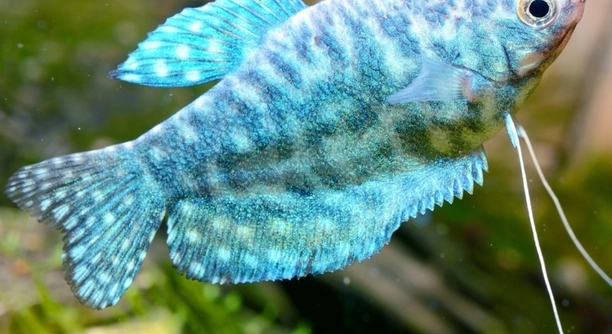
Gouramis are popular freshwater fish known for their calm nature and vibrant colors. Their behavior often changes after feeding, which can be interesting to observe. Understanding these habits helps owners provide better care for their fish.
After feeding, gouramis show noticeable changes in movement, activity levels, and social interactions. They may become more relaxed, reduce aggression, and adjust their swimming patterns as they digest food and regain energy. These shifts are consistent and important for their overall well-being.
Learning about these changes can improve how you care for your gouramis and create a healthier environment for them. Observing these habits can also deepen your connection with your fish.
Changes in Swimming Patterns After Feeding
Gouramis often change their swimming behavior once they have eaten. Right after feeding, they tend to swim slower and stay near the bottom or middle of the tank. This is because they are digesting their food and don’t want to waste energy. Sometimes, they will hover or float in one spot instead of moving around a lot. You might also notice them exploring less or avoiding sudden movements. These calmer swimming habits help them focus on digestion. It’s normal for them to be less active for a while after eating. If they suddenly become very still or stop swimming altogether, though, it could be a sign of health issues. Watching these shifts can tell you if your gourami is feeling well or stressed after meals.
Slower swimming and more hovering are common signs of digestion in gouramis.
Recognizing these swimming changes allows you to understand your gourami’s needs better. After feeding, giving them a calm, quiet tank environment supports their recovery. Avoid disturbing the tank during this time because they are more vulnerable. Sometimes, gouramis swim near the surface to gulp air, which helps digestion as well. This behavior is natural for labyrinth fish like gouramis. If your gourami resumes normal swimming after a short rest, it shows they are healthy. Keeping an eye on their swimming habits after meals helps you catch early signs of stress or illness. Maintaining good water quality and feeding appropriate amounts will also reduce problems related to digestion and activity changes.
Social Behavior Shifts Post Feeding
Gouramis tend to become less aggressive after eating.
After feeding, gouramis usually show reduced aggression toward tank mates. This happens because their hunger is satisfied, so they don’t compete for food or territory as much. In a community tank, this can mean fewer chases or fights right after meals. Gouramis might also spend more time resting or swimming calmly near others without showing dominance. This peaceful period helps reduce stress for all fish in the tank. However, if the tank is overcrowded or food is limited, aggressive behaviors can still appear even after feeding. Providing enough space and food helps keep these social shifts positive. Observing how your gouramis interact before and after feeding gives insight into their comfort level and tank dynamics. This knowledge can guide adjustments in feeding routines and tank setup to promote harmony.
Gouramis’ calmer social behavior after feeding supports a more peaceful tank environment. Regular feeding and good tank conditions encourage this positive change. Watching how they behave together can help you manage any aggression issues before they escalate. Ensuring all fish have enough food reduces competition and stress. Additionally, some gouramis are naturally more territorial, so understanding their specific temperament is important. Balancing feeding times and amounts also keeps social tensions low. If you notice persistent aggression, separating fish temporarily may be necessary. Overall, monitoring these social habits after feeding helps create a healthy, balanced tank where your gouramis feel safe and comfortable.
Feeding Response Timing
Gouramis usually respond quickly when food is introduced. They often swim eagerly toward the source within seconds. This quick reaction shows they recognize feeding time and are ready to eat.
The speed of this response depends on the fish’s hunger level and tank environment. If feeding happens regularly at the same time, gouramis learn the schedule and react faster. When food is dropped, they may swim excitedly and crowd the feeding area. Overfeeding can reduce this eagerness, as fish become less hungry and less interested. It’s important to feed in proper amounts to keep their natural feeding response strong. A consistent routine helps gouramis feel secure and expect meals.
Sometimes gouramis may take a moment before approaching food if they feel stressed or unfamiliar with the feeding area. Watching how quickly your gouramis react can help you adjust feeding habits and improve their comfort during meal times.
Post-Feeding Rest Behavior
After eating, gouramis often rest more than usual. This resting phase helps with digestion and energy recovery. They may stay still near plants or decorations to feel safe.
Resting after a meal is important for their health. During this time, gouramis reduce activity and avoid unnecessary movements. This calm period prevents stress and allows proper nutrient absorption. In a peaceful environment, they appear relaxed and sometimes close their fins or float gently. If the tank is noisy or crowded, resting may be interrupted, which can affect their digestion negatively. It’s helpful to keep the tank quiet and stable right after feeding.
Observing this rest behavior can give clues about your gouramis’ well-being. If they don’t rest or seem restless after eating, it might signal discomfort or illness. Ensuring they have cozy spots to rest improves their post-feeding habits and overall health. Providing hiding places and a calm atmosphere supports this natural behavior effectively.
Increased Gulping of Air After Feeding
Gouramis often gulp air more frequently after eating. This behavior helps them with digestion since they have a specialized labyrinth organ to breathe air.
This increased air gulping is normal and supports their oxygen needs while digesting food. It usually lasts for a short time after meals.
Appetite Fluctuations Throughout the Day
Gouramis’ appetite can change depending on the time of day and their feeding schedule. They usually show more interest in food during regular feeding times and less when they are full. Skipping a meal occasionally is not uncommon, but consistent refusal to eat may indicate health problems.
Keeping a regular feeding routine helps maintain a steady appetite. Observing when your gouramis are most hungry can improve feeding efficiency and reduce waste. Adjusting feeding amounts to their natural appetite prevents overfeeding and keeps the fish healthy.
Post-Feeding Color Changes
Gouramis sometimes show subtle color changes after eating. Their colors may become brighter or slightly duller depending on their health and stress levels.
Monitoring these color shifts can help detect potential issues early.
What causes gouramis to change behavior after feeding?
Gouramis change behavior after feeding mainly because their bodies focus on digestion. After eating, they slow down to conserve energy, reduce swimming activity, and rest more. These changes help them process food properly and avoid stress. The need to gulp air more often also influences their actions, as they use their labyrinth organ to get oxygen. Feeding time affects social behavior too, as hunger is satisfied and aggression decreases. These natural responses keep gouramis healthy and comfortable after meals.
Is it normal for gouramis to become less active after feeding?
Yes, it’s normal for gouramis to slow down after eating. Their bodies need time to digest food, so they swim less and rest more. You might notice them staying near plants or decorations, appearing calm or even still. This resting phase is healthy and shows they are digesting well. If they stop moving completely for a very long time or seem weak, it could be a sign of a problem, but short periods of reduced activity after feeding are normal.
Why do gouramis gulp air more frequently after eating?
Gouramis have a labyrinth organ that lets them breathe air from the surface. After eating, they often gulp air more frequently because digestion increases their oxygen needs. This extra air helps their metabolism work better while breaking down food. Watching your gouramis go to the surface to gulp air right after meals is typical behavior. If they gulp air constantly or appear distressed, it may indicate water quality issues, so regular tank maintenance is important.
How can I tell if my gourami is stressed after feeding?
Signs of stress after feeding include frantic swimming, hiding excessively, refusing food repeatedly, or color fading. Normally, gouramis rest calmly after meals, but stress can disrupt this pattern. Stress may happen if the tank is too noisy, overcrowded, or if water quality is poor. Pay attention to unusual behavior after feeding, like constant hiding or aggression. Improving tank conditions and feeding routine can reduce stress. If stress continues, checking water parameters and adjusting diet may help.
Should I change the feeding schedule if my gourami shows unusual behavior?
If your gourami shows unusual behavior after feeding, adjusting the feeding schedule might help. Feeding at consistent times creates a routine that gouramis recognize and feel comfortable with. Overfeeding or feeding too often can cause sluggishness or digestive issues, while underfeeding leads to stress and aggression. Try smaller, more frequent meals or reduce portion size if your fish act tired or bloated. Observing their reaction to schedule changes helps find what works best.
What type of food is best to minimize changes in gourami behavior after feeding?
Balanced diets with high-quality flakes, pellets, and occasional live or frozen food help maintain stable behavior. Foods that are easy to digest reduce digestive stress and encourage normal activity post-feeding. Avoid overfeeding rich or fatty foods, as they can cause sluggishness or bloating. Variety in diet keeps gouramis healthy and engaged. Feeding small portions multiple times a day also helps keep energy levels steady and behavior consistent.
Can tank conditions affect gourami behavior after feeding?
Yes, tank conditions have a big impact on behavior after feeding. Poor water quality, incorrect temperature, or overcrowding can increase stress and cause unusual responses like rapid swimming or hiding. Clean water with stable parameters supports healthy digestion and calm post-feeding behavior. Providing hiding spots and plants helps gouramis feel secure while resting. Regular maintenance and monitoring water conditions reduce stress and help your gouramis stay comfortable after meals.
How long does it usually take for gouramis to return to normal behavior after feeding?
Most gouramis return to normal activity within 20 to 60 minutes after feeding. The resting and slower swimming phase usually doesn’t last long if they are healthy and the tank is well maintained. If a gourami stays inactive or exhibits odd behavior for hours after eating, it might indicate digestive problems or illness. Keeping an eye on their behavior over time can help identify if anything is wrong and if veterinary care or tank changes are needed.
Is it okay if gouramis refuse food sometimes after feeding?
Yes, it’s common for gouramis to refuse food sometimes, especially if they have eaten recently or aren’t very hungry. Occasional skipping of meals is not a problem as long as it doesn’t become a pattern. Persistent refusal could signal illness, poor water quality, or stress. Monitor their eating habits and tank environment closely. If they consistently avoid food, consider changing diet, checking water, or consulting an expert.
Can observing post-feeding behavior help in diagnosing health issues?
Absolutely. Changes in swimming, color, appetite, or rest after feeding can provide early signs of health problems. For example, sluggish movement, constant surface gulping beyond normal, or loss of appetite may indicate illness or poor water conditions. Watching how gouramis behave after meals allows you to catch issues sooner and take action before problems worsen. Keeping a feeding log and noting behavior changes can be a helpful tool for ongoing care.
Gouramis show many small changes in behavior after feeding that are important to notice. These changes include slower swimming, resting more, gulping air, and being less aggressive. All of these habits help gouramis digest their food and recover energy. Paying attention to how your gourami acts after meals can tell you a lot about its health and comfort. It’s natural for them to slow down and rest after eating, so don’t be alarmed if they seem less active during this time. This period allows their body to work on digestion without wasting energy.
It is also important to maintain good tank conditions to support these natural behaviors. Clean water, proper temperature, and enough space help reduce stress, making it easier for gouramis to rest and digest properly. Feeding a balanced diet in the right amounts at regular times helps keep their behavior stable and healthy. Overfeeding or feeding poor-quality food can cause problems like bloating or sluggishness, which affect their behavior. If you notice any unusual signs after feeding, like constant hiding, refusal to eat, or rapid gulping of air, it could be a sign that something is wrong with their environment or health.
Observing your gouramis after feeding can improve how you care for them. Understanding their habits helps you create a peaceful tank environment where they feel safe and comfortable. Small changes in their routine or behavior can signal when adjustments are needed in feeding or tank care. With patience and attention, you can keep your gouramis happy and healthy. This awareness helps prevent problems before they become serious and ensures your fish enjoy a good quality of life in their home.

Hello,
If you enjoy the content that we create, please consider saying a "Thank You!" by leaving a tip.
Every little bit helps us continue crafting quality advice that supports the health, happiness, and well-being of pets around the world, for pets of all shapes, sizes, and species.
We really appreciate the kindness and support that you show us!