
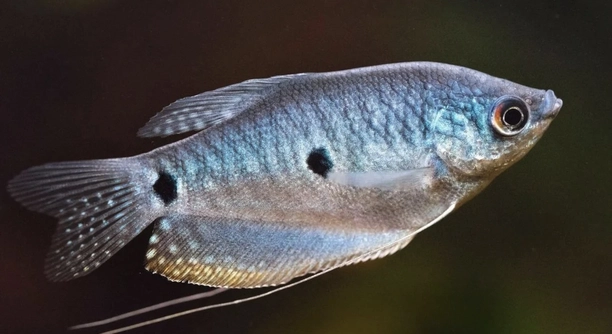
Gouramis often face stress and changes when introduced to a new environment. The first few hours after moving are critical for their adjustment and well-being. Observing their behavior during this time helps understand their adaptation process.
In the first seven hours after relocation, gouramis typically show signs of stress such as reduced activity, hiding, and cautious exploration. Their physiological responses stabilize gradually, and they begin to acclimate to new water parameters and surroundings during this period.
Monitoring these early hours is important for ensuring a smooth transition and long-term health of your gouramis in their new habitat.
Immediate Behavior Changes After Moving
When gouramis are moved to a new tank, their behavior shifts quickly. They tend to become less active and spend more time hiding in plants or decorations. This is a natural response to stress and unfamiliar surroundings. The fish may show slower swimming and reduced interest in food at first. Their breathing might become faster as they adjust to new water conditions. During these early hours, gouramis also release stress hormones, which can affect their immune system. It is important to provide plenty of hiding places to help them feel secure. Keeping the tank environment calm and stable during this time helps reduce stress. Avoid sudden loud noises or rapid movements around the tank. Gradual acclimation to light and temperature supports their adjustment. This phase usually lasts several hours as the fish assess their new home and begin to regain confidence.
These initial behavioral changes signal the start of their adaptation process. Patience is key.
By understanding these reactions, you can better support your gouramis through this critical period. Monitoring their behavior closely helps catch any signs of illness early. Providing consistent care and a quiet environment encourages a smooth transition. Over time, most gouramis will resume normal activity and feeding habits once they feel secure.
Water Parameter Adjustments
Gouramis are sensitive to changes in water quality and chemistry. Sudden shifts in pH, temperature, or hardness can increase stress levels.
Water parameters should be checked carefully after moving gouramis. Maintaining stable conditions within their preferred range is essential. Use a reliable test kit to monitor ammonia, nitrite, nitrate, pH, and temperature regularly. Small, gradual changes in water parameters are less stressful than sudden fluctuations. Avoid large water changes immediately after relocating the fish. Instead, perform partial water changes with water that matches tank conditions. Proper filtration and aeration support healthy water quality and oxygen levels. If you use tap water, treat it to remove chlorine or chloramine before adding it to the tank. Providing an environment that closely matches their previous habitat will minimize adjustment difficulties. Keeping water clean and stable reduces the risk of disease and promotes overall health. Regular monitoring during the first days helps ensure the gouramis settle in well and stay comfortable in their new home.
Feeding Behavior in the First Hours
Gouramis often show little interest in food immediately after moving. This is normal and reflects their need to adjust before resuming regular feeding.
Stress from relocation can suppress appetite in gouramis for several hours. During this time, their digestive system slows down as they focus energy on adapting to new surroundings. Forcing food can cause more stress or water quality issues if uneaten food accumulates. It is better to wait until the fish show signs of normal activity and curiosity before offering food. Start with small amounts of easily digestible food to encourage eating. Observing gradual improvement in feeding behavior indicates recovery from initial stress.
Patience during this phase supports the gouramis’ health. Providing a calm environment and stable conditions encourages them to regain appetite and strength naturally. Avoid sudden changes or overfeeding, which can hinder adjustment. Once the gouramis begin eating regularly, their overall well-being tends to improve quickly.
Interaction with Tank Mates
Gouramis may be cautious or defensive around other fish after relocation. This behavior helps them establish safety in the new environment.
During the first hours, gouramis often avoid confrontation and stay separate from other tank mates. They may hide or swim alone to reduce stress. Aggression can increase temporarily as fish test boundaries, but this usually lessens once territories form. Monitoring interactions closely helps prevent injuries or bullying. If aggression is severe, consider rearranging decorations to create more hiding spots or temporary separation.
Supporting peaceful coexistence during this period is important. Maintaining stable water conditions and limiting disturbances also reduces tension among fish. Over time, gouramis typically settle into a routine with their tank mates, showing less defensive behavior and more social interaction.
Stress Recovery Signs
Gouramis begin to show signs of stress recovery within the first seven hours after moving. These signs include increased activity and more frequent exploration of the tank.
Other signs include slower breathing and resuming normal swimming patterns. Appetite may start to return gradually as well.
Importance of Water Quality Monitoring
Maintaining water quality is crucial during the first hours after moving gouramis. Poor water conditions increase stress and risk of illness. Regular checks for ammonia, nitrites, nitrates, and pH help ensure stability. Clean, well-filtered water supports their recovery and overall health. Adjustments should be gentle to avoid additional stress. Consistency in water temperature also prevents shock. Taking these steps helps gouramis adapt smoothly to their new environment and reduces the likelihood of health problems.
Behavior Variation Among Gouramis
Individual gouramis may respond differently to relocation. Some recover quickly, while others take longer to adjust.
Recognizing these differences helps tailor care to each fish’s needs.
Tank Setup Adjustments
Small changes to the tank setup can support gouramis’ comfort and reduce stress.
FAQ
What should I do if my gourami hides all day after moving?
It is common for gouramis to hide a lot during the first several hours after relocation. They use hiding as a way to reduce stress and feel secure in the new environment. Avoid disturbing the tank and provide plenty of plants or decorations for cover. Over time, the gourami will become more comfortable and start exploring. If hiding continues for more than a few days, check water quality and tank conditions, as ongoing stress could signal a problem.
How long does it take for gouramis to start eating normally after moving?
Gouramis may take anywhere from several hours up to a couple of days to resume regular feeding after a move. Stress often suppresses appetite, so it is best to wait until they show interest in food naturally. Offering small amounts of soft, easily digestible food can encourage them. Avoid overfeeding, which can cause water issues and further stress.
Can changing water parameters too quickly harm my gourami?
Yes. Gouramis are sensitive to sudden changes in water conditions like pH, temperature, and hardness. Rapid shifts can cause stress and weaken their immune system. When adjusting water parameters, aim for gradual changes over days or weeks. Use water testing kits regularly and treat new water properly before adding it to the tank.
What signs indicate that my gourami is stressed?
Common signs include hiding frequently, slow or erratic swimming, rapid breathing, loss of appetite, clamped fins, and pale coloration. Stress weakens the immune system, increasing the risk of illness. If you notice these signs, check water quality and tank conditions immediately. Improving environment stability and reducing disturbances helps the fish recover.
Should I separate my gourami from other fish after moving?
Separation is not always necessary but can be helpful if there is aggressive behavior. Gouramis may become defensive or territorial during adjustment. If aggression or bullying occurs, provide more hiding spaces or consider temporary separation until the fish settle. Monitoring interactions helps prevent injuries and reduces stress.
How often should I test the water after moving gouramis?
Testing water daily during the first week after moving gouramis is recommended. This helps detect any harmful spikes in ammonia, nitrites, or nitrates early. Keeping parameters stable is key to reducing stress and preventing disease. Use reliable test kits and record results to track changes.
What is the best way to introduce gouramis to a new tank?
Acclimate gouramis slowly to the new water by floating their transport bag in the tank for 15–30 minutes. Gradually add small amounts of tank water to the bag over an hour to help them adjust. Avoid sudden temperature or chemical changes. Once acclimated, gently release them to minimize stress.
Can gouramis get sick from moving stress?
Yes, stress weakens their immune response, making them more vulnerable to infections like fin rot or ich. Maintaining good water quality and a calm environment lowers this risk. Watch for early signs of illness such as discoloration or damaged fins and treat promptly if needed.
Is it normal for gouramis to breathe rapidly after moving?
Increased breathing rate right after moving is common due to stress and adjusting to new oxygen levels. It usually returns to normal within a few hours. Ensure proper aeration and avoid overcrowding to maintain adequate oxygen in the tank.
How do I help my gourami feel secure in a new tank?
Provide hiding spots with plants, rocks, or decorations. Keep lighting gentle and avoid sudden noises or movements around the tank. Maintain consistent water parameters and minimize handling during the first hours. These steps help reduce stress and encourage natural behavior.
Final Thoughts
Moving gouramis to a new environment is always a delicate process. The first seven hours after relocation are critical for their adjustment. During this time, they experience stress that affects their behavior, appetite, and interaction with other fish. Understanding these early changes helps ensure their health and well-being. It is important to allow them space and time to adapt without unnecessary disturbance. Providing a stable environment with proper water quality and hiding spots supports their recovery and reduces stress. Patience during this phase benefits both the fish and the caretaker.
Monitoring gouramis closely in the hours following a move reveals how well they are adjusting. Signs such as hiding, reduced feeding, and slower swimming are normal initially but should improve steadily. Any prolonged symptoms or signs of illness need attention and corrective action. Consistency in tank conditions plays a large role in minimizing stress effects. Gradual reintroduction to food and careful observation of social interactions with tank mates also contribute to a smoother transition. Taking these steps helps prevent common problems linked to relocation stress and promotes a healthier environment.
Ultimately, the goal is to help gouramis settle comfortably in their new home. This means balancing their needs for security, nutrition, and clean water while minimizing sudden changes or disruptions. Each fish may respond differently to moving, so adapting care accordingly is essential. With proper attention and care during the initial hours, gouramis are more likely to thrive in their new surroundings. This care lays the foundation for their long-term health and happiness in the aquarium.

Hello,
If you enjoy the content that we create, please consider saying a "Thank You!" by leaving a tip.
Every little bit helps us continue crafting quality advice that supports the health, happiness, and well-being of pets around the world, for pets of all shapes, sizes, and species.
We really appreciate the kindness and support that you show us!