
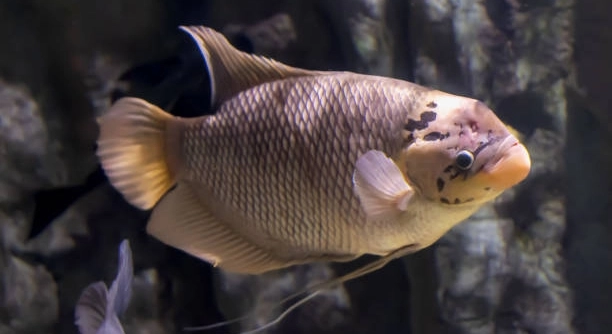
Gouramis are known for their subtle yet striking color changes. These changes can signal different reactions to their environment or health. Observing these shifts helps aquarists better understand their fish’s needs and behaviors in the tank.
Gouramis respond to changes in water quality, stress, mating behaviors, social interactions, temperature, lighting, and diet through variations in their coloration. These color shifts serve as important indicators of their physiological and emotional states.
Recognizing what triggers these color changes is essential for proper care. This article outlines seven key factors that influence gouramis’ color responses and what each means for their well-being.
Water Quality Changes
Water quality directly affects gouramis’ color. When water conditions worsen—such as increased ammonia, nitrites, or nitrates—gouramis may lose their vibrant hues and appear dull or faded. Poor water quality stresses the fish, weakening their immune system and making them more susceptible to diseases. Clear, clean water helps maintain their natural coloration and overall health. Regular water testing and partial water changes are essential to keep water parameters stable. Proper filtration and avoiding overfeeding also contribute to good water quality. Paying attention to these factors ensures gouramis display their best colors and thrive in their environment.
Consistent water quality promotes bright, healthy coloration in gouramis. Unstable water parameters often lead to dull or faded colors, signaling stress or illness.
Maintaining stable water conditions is critical for gouramis. They are sensitive to changes in pH, temperature, and chemical levels. Even slight fluctuations can cause noticeable color changes as the fish react to stress. Monitoring ammonia, nitrites, and nitrates regularly helps prevent harmful buildups. Performing weekly partial water changes reduces toxins and replenishes essential minerals. Using a reliable filtration system supports water clarity and quality. Avoid overcrowding the tank to reduce waste production. Clean water not only enhances gouramis’ colors but also improves their immune responses. Observing their color shifts can alert caretakers early to water quality problems, allowing for timely intervention and better fish health.
Stress and Color Response
Stress causes gouramis to lose color or develop dark patches. This is a natural defense to avoid predators and protect themselves.
Stress factors include sudden changes in environment, aggressive tank mates, overcrowding, or improper handling. Recognizing signs early helps reduce stress and restore normal coloration.
Keeping gouramis in a calm, stable environment is important. Avoid frequent rearranging of the tank or introducing aggressive species that may intimidate gouramis. Ensure enough space for each fish to reduce territorial disputes. Gentle handling during cleaning or transfers minimizes stress. Adding hiding spots like plants or decorations offers a secure retreat. Lowering noise and vibrations around the tank also helps. When stress is managed effectively, gouramis regain their vibrant colors and show healthier behavior. Observing their color change is a valuable indicator to improve their surroundings promptly and maintain their well-being.
Mating Behavior
During mating, gouramis show brighter, more intense colors. Males often display vivid hues to attract females and establish dominance.
This color intensification signals readiness to breed. Males may flare fins and become more territorial. Bright coloration helps them stand out against rivals. Females typically show less dramatic changes but may become slightly more colorful during spawning. This natural shift in color serves as a communication tool to facilitate mating and reproduction.
After mating, colors often return to normal or fade as the breeding period ends. The temporary brightening helps gouramis successfully find partners and protect their breeding territory from other fish in the tank.
Social Interaction
Gouramis adjust their color depending on tank mates and social hierarchy. Dominant fish often show stronger, more vivid colors than submissive ones.
Color changes reflect social status and aggression levels within the group. Submissive gouramis may darken or fade to avoid confrontation. Territorial males use brighter colors to warn others to stay away. These visual cues reduce physical fights by signaling dominance. Social dynamics directly influence gouramis’ appearance and behavior. Understanding their interactions helps maintain peace in the aquarium. Providing enough space and hiding places reduces stress and excessive color changes caused by social pressure. Monitoring these patterns allows caretakers to create a balanced, healthy environment.
Temperature Fluctuations
Gouramis change color when water temperature shifts. Cooler or warmer water can cause their colors to become dull or more vibrant.
Sudden temperature changes stress gouramis, leading to temporary color loss. Stable temperatures help maintain their natural hues and health.
Lighting Conditions
Lighting affects gouramis’ color intensity and visibility. Bright light often enhances their colors, while dim light can cause them to appear faded or muted.
Proper lighting mimics natural conditions and supports healthy coloration. Adjusting light duration and intensity helps gouramis display their best colors.
Diet and Nutrition
A balanced diet rich in carotenoids and vitamins enhances gouramis’ coloration. Poor nutrition can lead to dull, lifeless colors and weaken immune function. Feeding a varied diet of high-quality flakes, pellets, and occasional live or frozen foods promotes vibrant, healthy colors in gouramis.
What causes gouramis to change color suddenly?
Gouramis often change color suddenly due to stress, water quality issues, or temperature shifts. These sudden changes act as signals that something in their environment is affecting them. Stress from aggressive tank mates or poor water conditions can cause their colors to fade or darken quickly. Maintaining stable water parameters and a calm environment helps prevent these abrupt color changes.
How can I tell if my gourami’s color change is normal?
Normal color changes usually occur gradually or in response to known triggers like mating or social interaction. For example, males will brighten during breeding season, and submissive fish may darken to avoid conflict. If color changes happen suddenly without any obvious reason or if the fish appears lethargic or sick, this might indicate a health problem needing attention.
Can poor water quality permanently affect gourami coloration?
Yes, poor water quality can have lasting effects. Prolonged exposure to high ammonia, nitrites, or nitrates weakens their immune system and can lead to chronic stress. This stress dulls their colors permanently and may cause other health issues. Regular testing and water changes are essential to keep the environment safe and maintain their vibrant coloration.
Do gouramis lose color when they are sick?
Loss of color is a common sign of illness in gouramis. Diseases or infections weaken the fish, causing them to appear faded or pale. Other signs include clamped fins, lack of appetite, or unusual behavior. Early detection through color changes allows for timely treatment, improving the chance of recovery.
How does lighting influence gourami coloration?
Lighting plays a key role in how gouramis display their colors. Bright and natural-like lighting enhances their vividness, while dim or poor lighting makes colors appear dull. Adjusting the aquarium light to mimic natural day-night cycles supports healthy color expression and overall well-being.
What kind of diet supports vibrant gourami colors?
A diet rich in carotenoids and vitamins promotes vibrant coloration. High-quality flakes or pellets designed for color enhancement, along with live or frozen foods such as brine shrimp or bloodworms, improve pigmentation. Avoid overfeeding and provide variety to keep gouramis healthy and colorful.
Can social stress cause long-term color changes in gouramis?
Yes, social stress affects coloration over time. Dominant gouramis show brighter colors, while consistently bullied or submissive fish may lose color and appear darker. Overcrowding and aggressive tank mates increase stress levels. Providing adequate space, hiding spots, and compatible tank mates helps reduce social stress and maintain healthy colors.
Is it normal for gouramis to change color as they age?
Some color changes with age are normal. Young gouramis may have more muted colors that become brighter as they mature. Older fish sometimes show fading or color shifts due to natural aging processes. These changes are usually gradual and not associated with health problems.
How often should I test water to keep gouramis healthy?
Testing water at least once a week is recommended. Regular checks for ammonia, nitrites, nitrates, and pH help catch issues early before they affect fish health or coloration. More frequent testing may be needed if new fish are added or if problems arise.
Can I improve my gourami’s color by changing tank decorations or plants?
Yes, natural decorations and live plants can help gouramis feel secure and reduce stress, which positively affects their color. Plants also improve water quality and provide hiding spots. Avoid overly bright or reflective decorations that may cause stress and color loss.
Final thoughts on gourami color changes highlight the importance of understanding their environment and behavior. Gouramis use color as a way to communicate and react to their surroundings. Changes in water quality, temperature, social interactions, diet, and stress levels all affect their coloration. By paying close attention to these factors, caretakers can better maintain the health and vibrancy of their fish. Consistent care and monitoring help prevent problems before they become serious, ensuring gouramis remain bright and active.
Maintaining stable water conditions is one of the most effective ways to keep gouramis healthy and colorful. Regular water testing, partial water changes, and good filtration prevent harmful chemical buildup. Temperature should remain steady, avoiding sudden fluctuations that cause stress. Providing enough space and compatible tank mates reduces aggressive behavior and social stress. These practices create a comfortable environment where gouramis can display their natural colors fully. Observing their color changes closely can give early warnings about health or environmental issues.
Proper nutrition also plays a key role in gourami coloration. A varied diet rich in essential nutrients supports strong immune function and vibrant pigments. Feeding high-quality flakes or pellets designed for color enhancement, combined with occasional live or frozen foods, helps maintain their bright appearance. Attention to lighting and tank setup further supports natural color expression. Understanding these elements allows caretakers to respond effectively to changes and promote the well-being of their gouramis over time.

Hello,
If you enjoy the content that we create, please consider saying a "Thank You!" by leaving a tip.
Every little bit helps us continue crafting quality advice that supports the health, happiness, and well-being of pets around the world, for pets of all shapes, sizes, and species.
We really appreciate the kindness and support that you show us!