
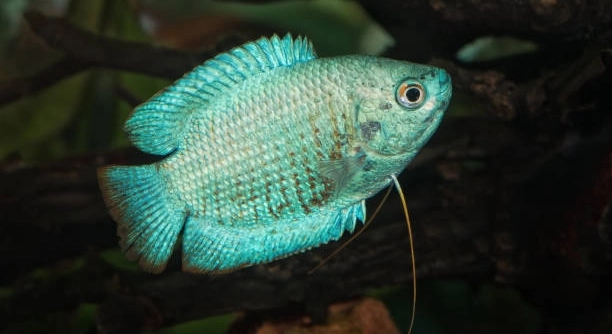
Gouramis are known for their calm and gentle behavior. Sometimes, they communicate through subtle actions rather than loud displays. Recognizing these quiet but clear reactions helps understand their mood and needs better.
Gouramis often express themselves through small, deliberate movements or changes in behavior that signal stress, curiosity, or contentment. These responses are consistent and meaningful, allowing caretakers to interpret the fish’s state without overt signs.
Noticing these subtle signals can improve your ability to care for gouramis and enhance their environment. Understanding their quiet reactions offers valuable insight into their daily lives.
Subtle Color Changes
Gouramis sometimes show slight changes in their coloration. These shifts can indicate mood or health status. For example, a pale or dull color might suggest stress or illness, while vibrant hues often signal good health and comfort. These color changes are usually gradual and subtle, not sudden. Observing these variations closely helps in identifying how the fish is feeling. Stress can result from water quality issues, tank mates, or sudden environmental changes. Keeping the tank stable and clean supports the gourami’s well-being. Color changes can also happen during breeding seasons when males display brighter colors to attract females. Noticing these shifts early allows for timely adjustments in care. Overall, paying attention to these color signals provides important clues about your gourami’s state without requiring loud or obvious behavior.
Color changes in gouramis serve as silent indicators of their internal condition, reflecting their health and stress levels effectively.
These quiet shifts in color are a form of communication, making it easier to gauge the fish’s needs. Regular observation is key to spotting these changes before they escalate into more serious problems.
Gentle Fin Movements
Gouramis use their fins in subtle ways to communicate. Small, slow fin movements can show relaxation or curiosity, while quick, twitchy motions may signal irritation or discomfort. These gestures are often missed because they are so gentle. Fins also help in maintaining balance and position within the tank, so any unusual movement might indicate stress or injury. Observing how and when your gourami moves its fins gives insight into its mood and physical condition. Sometimes a damaged fin or clamped fin position can be an early sign of illness or poor water conditions. In such cases, immediate attention to tank maintenance and water parameters is necessary. Understanding these quiet fin signals improves your ability to respond appropriately to your fish’s needs and create a healthier environment.
Noticing fin movement patterns helps detect issues early and supports proper care for gouramis.
Quiet Bubble Nest Building
Gouramis build bubble nests silently near the water surface. This behavior shows readiness for breeding and care for their offspring. The nests are delicate clusters of bubbles held together by mucus, requiring calm water conditions to maintain their structure.
Building bubble nests involves the male gourami blowing bubbles coated with saliva, which helps the bubbles stick together and last longer. The process is usually slow and deliberate, without sudden movements or noise. It reflects the male’s investment in protecting eggs and young fry once spawning occurs. Maintaining stable water temperature and cleanliness supports this natural behavior. Observing bubble nest construction provides insight into your gourami’s reproductive cycle and overall well-being. Interfering with the nest or causing stress may cause the male to abandon this effort.
Silent bubble nest building is a clear sign of healthy, unstressed gouramis ready to breed. It reflects their natural instincts without aggressive or loud displays.
Subdued Body Posture
A gourami’s posture can reveal its mood without any sound. When relaxed, they often hover calmly with fins gently spread. A tucked or rigid posture signals discomfort or fear. These subtle body language cues help monitor their mental and physical state.
When gouramis tuck their fins close or press their bodies against surfaces, it often indicates stress, illness, or poor water conditions. This behavior may result from aggressive tank mates or sudden changes in the environment. A stiff or lowered posture can also suggest fatigue or weakness. Regularly checking for these signs allows early intervention before health worsens. Calm, natural posture is a sign of comfort and proper care. Adjusting tank setup, improving water quality, or separating aggressive fish can improve posture and reduce stress.
Understanding body posture helps maintain gouramis’ welfare by catching problems early and ensuring a peaceful environment. It provides a reliable, quiet way to interpret their condition.
Slow Swimming Patterns
Gouramis often swim slowly when they feel safe and relaxed. This calm movement indicates comfort within their environment and absence of immediate threats.
If swimming becomes unusually slow or lethargic, it could signal illness or poor water quality. Monitoring these changes helps catch health issues early.
Brief Hiding Behavior
Gouramis occasionally hide behind plants or decorations for short periods. This behavior is a quiet way to reduce stress and avoid perceived threats.
Brief hiding is normal, but prolonged retreat might indicate discomfort, illness, or aggressive tank mates. Addressing these factors helps maintain their well-being.
Subtle Gill Movement
Gouramis show subtle gill movements when breathing calmly. Normal respiration is slow and steady, reflecting good oxygen levels and overall health.
Faster or labored gill movement may suggest stress or water quality problems. Observing gill activity helps monitor their respiratory health.
Quiet Feeding Response
Gouramis respond gently to food, often approaching slowly before eating. This calm feeding behavior shows comfort and trust in their surroundings.
FAQ
How can I tell if my gourami is stressed without it showing aggressive behavior?
Stress in gouramis often shows through subtle signs rather than aggression. Look for changes in color, such as paleness or dullness. Notice if your gourami is hiding more than usual or swimming slowly and lethargically. Clamped fins—when the fins are held close to the body—are another clear sign. Also, watch for rapid gill movement, which can indicate breathing difficulties. These quiet behaviors help you detect stress early, allowing you to adjust water quality, reduce tank disturbances, or separate aggressive tank mates.
What does it mean when my gourami builds a bubble nest but then abandons it?
If a male gourami builds a bubble nest and then abandons it, it often signals stress or poor water conditions. Bubble nests require calm, clean water to remain intact. Disturbances such as sudden changes in temperature, water chemistry, or tank aggression may cause the fish to give up. Abandoning the nest can also happen if the male feels unsafe or unwell. Ensuring a stable environment and minimizing stressors encourages consistent nest building and successful breeding behavior.
Why does my gourami sometimes hide for long periods?
Extended hiding usually indicates discomfort or fear. It may be caused by aggressive tank mates, poor water quality, or illness. Gouramis are naturally shy and appreciate places to retreat, but prolonged hiding is not normal. Monitor water parameters and tank conditions closely. If hiding continues, consider isolating the fish for observation and treatment. Improving hiding spots and reducing stress in the tank often helps gouramis feel secure enough to explore more frequently.
Can color changes in gouramis be reversed?
Yes, many color changes related to stress or illness can be reversed if addressed promptly. Improving water quality, ensuring proper diet, and removing stressors help gouramis regain their vibrant colors. Some changes linked to breeding or natural cycles will also return to normal afterward. However, prolonged poor conditions might lead to permanent dullness or damage. Consistent care and observation support the restoration of healthy coloration.
Is slow swimming always a sign of illness?
Not always. Slow swimming can indicate that a gourami is relaxed and comfortable. However, if the slow movement is accompanied by other symptoms such as loss of appetite, clamped fins, or hiding, it may suggest illness or poor water conditions. Consistent changes in swimming speed warrant checking tank parameters and monitoring the fish’s overall health.
How do I encourage my gourami to be more active?
Maintaining optimal water temperature and quality is essential. Providing a well-planted tank with gentle water flow and minimal disturbances creates a comfortable environment. Feeding a varied diet stimulates interest and activity. Avoid overcrowding and aggressive tank mates, as these can cause stress and reduce activity. Regular observation and small environmental improvements encourage natural, calm activity.
What should I do if my gourami shows labored breathing?
Labored breathing usually points to poor oxygen levels or water quality issues. First, test the water for ammonia, nitrite, nitrate, and oxygen levels. Perform partial water changes and improve aeration if necessary. Check the filter and remove debris to ensure proper flow. If breathing problems persist, it could indicate illness, requiring isolation and possible treatment.
Can gouramis recognize their owners?
Gouramis are capable of recognizing familiar movements and routines. They may respond to feeding times or approach when they see a person near the tank. This recognition is quiet and subtle, often shown by swimming closer or following hand movements gently. Building trust takes time and consistent care.
What causes fin clamping in gouramis?
Fin clamping is often a response to stress, poor water conditions, or illness. It can also be a sign of discomfort due to aggressive tank mates or sudden environmental changes. Clamped fins reduce movement and help conserve energy. Identifying and addressing the cause quickly improves the fish’s health and comfort.
How often should I observe my gourami for these subtle signs?
Daily observation is best for noticing subtle changes in behavior or appearance. Short, regular checks allow you to detect early signs of stress, illness, or discomfort. Paying attention to color, swimming patterns, posture, and breathing keeps you informed about your gourami’s condition and helps maintain a healthy environment.
Final Thoughts
Gouramis communicate quietly through their behavior, making it important to pay close attention to subtle signs. Unlike some fish that display aggressive or loud reactions, gouramis often express themselves with gentle movements, changes in posture, or brief hiding. Recognizing these calm signals helps understand their needs and mood without causing them stress. Observing behaviors like slow swimming, bubble nest building, or body posture provides valuable insight into their well-being and comfort in their environment.
Maintaining a stable and clean tank is essential to support these quiet reactions. Proper water quality, temperature, and tank setup reduce stress and encourage natural behavior. It is important to provide hiding spots and gentle tank mates to create a peaceful environment. Avoid sudden changes in the tank and keep a consistent feeding schedule. These factors contribute to your gourami’s health and allow it to show normal, calm behavior. When a gourami behaves quietly but clearly, it usually means the fish is comfortable and secure.
Understanding gouramis’ subtle signals requires patience and careful observation. Early detection of stress or health issues comes from noting small changes in color, posture, or breathing. Acting quickly to improve conditions helps prevent serious problems. Keeping track of these signs ensures your gourami thrives and remains calm. Quiet communication from gouramis is an important part of caring for them well and creating a balanced aquarium.

Hello,
If you enjoy the content that we create, please consider saying a "Thank You!" by leaving a tip.
Every little bit helps us continue crafting quality advice that supports the health, happiness, and well-being of pets around the world, for pets of all shapes, sizes, and species.
We really appreciate the kindness and support that you show us!