
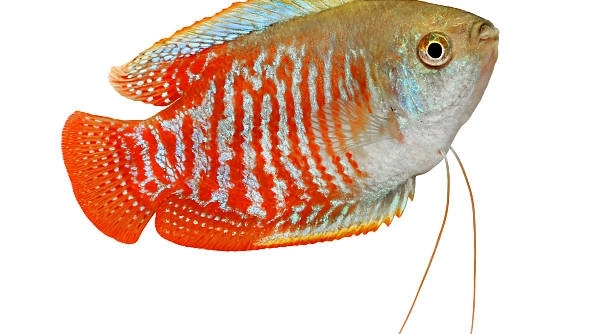
Are your gouramis acting restless or unusually shy in their tank? Many fish owners notice subtle changes in behavior that hint their gourami might benefit from a companion. Understanding these signs can improve your fish’s well-being and tank harmony.
Gouramis often show key signs such as increased aggression, lethargy, or lack of interest in their surroundings when they need a tankmate. These behaviors indicate social needs that solitary living cannot fulfill, affecting their health and happiness.
Recognizing these signals early can help you provide the right environment for your gourami’s social nature and avoid common problems that come from isolation.
Signs of Increased Aggression
When gouramis become more aggressive, it usually means they feel stressed or lonely. They might chase or nip at other fish more than usual, even when there is plenty of space. This behavior is a clear signal that your gourami is missing social interaction. Aggression can lead to injuries and make the tank environment unsafe for all its inhabitants. Some gouramis are naturally territorial, but when this behavior suddenly worsens, it points to a need for a compatible tankmate. Watching how your gourami behaves during feeding time or when other fish swim nearby can reveal these changes. Addressing aggression early helps prevent long-term stress and health problems for your fish. Adding a suitable tankmate can calm your gourami and balance the social dynamic inside the aquarium.
Aggression in gouramis is a major sign that they need company. It’s important to act before the situation worsens.
Introducing a peaceful and compatible tankmate often reduces aggressive behavior, creating a calmer environment for your gourami and other fish.
Changes in Activity Level
Gouramis that suddenly become less active might be feeling lonely or bored. They may hide more often or swim sluggishly. This drop in activity is often overlooked but signals that something is wrong. Social fish like gouramis thrive with interaction, so a tankmate can provide stimulation and reduce boredom. Lack of movement can also weaken their immune system, making them more vulnerable to disease. Observing your fish’s normal activity and spotting any decline early can help you intervene quickly. Choosing a tankmate with a similar temperament can encourage your gourami to be more lively. Adding plants or decorations for hiding spots also supports their natural behavior and makes the tank more engaging. With the right changes, your gourami can regain its energy and enjoy a more active life.
Loss of Appetite
A gourami losing interest in food can be a sign of stress or loneliness. When they feel isolated, their eating habits may change, which affects their overall health and growth.
Loss of appetite is often linked to changes in the environment or social setup. Gouramis are social fish and need interaction to stay motivated, even when eating. If your gourami suddenly stops eating or shows less enthusiasm for food, it could mean they need a companion. This lack of interest can lead to malnutrition and weaken their immune system, making them more vulnerable to illness. Adding a compatible tankmate might stimulate your gourami’s appetite by bringing more activity and social cues into the tank.
Sometimes, loss of appetite is related to boredom or depression caused by solitary living. Pairing gouramis with peaceful species encourages natural feeding behaviors and keeps them engaged, which can restore healthy eating habits.
Restlessness and Hiding
Restlessness combined with excessive hiding is another sign your gourami might need a tankmate. If your fish is constantly darting around but also spending lots of time out of sight, this behavior signals discomfort.
This behavior often shows that the gourami is stressed and looking for safety. Being alone can make them feel vulnerable, causing them to hide or act nervously. Adding a calm and social tankmate helps reduce this anxiety by providing company and security. When gouramis have suitable companions, they are less likely to hide and more likely to explore their tank confidently. Creating a balanced environment with enough plants and hiding spots alongside compatible fish encourages your gourami to be more relaxed and social. This change improves their overall well-being and makes the aquarium more lively.
Sudden Color Changes
A sudden dulling or fading of your gourami’s colors can indicate stress or loneliness. Bright colors usually show a healthy, happy fish, so changes should not be ignored.
Color changes often mean your gourami is feeling unsettled. Adding a compatible tankmate can improve its mood and restore vibrant colors by reducing stress.
Increased Bubble Nesting
Gouramis may build more bubble nests when they feel the need for social interaction or to establish territory. This behavior can increase if they are lonely or stressed.
Avoidance Behavior
If your gourami starts avoiding other fish or hides from tankmates frequently, it could be feeling threatened or uncomfortable. This behavior suggests the need for a better social balance in the tank.
What kind of tankmates are best for gouramis?
Choosing the right tankmates for gouramis depends on their temperament and size. Peaceful fish that won’t compete aggressively for space or food are ideal. Species like tetras, rasboras, and Corydoras catfish often work well. Avoid overly aggressive or very small fish that could be seen as prey. It’s important to match their water parameter needs, too. Gouramis prefer calm environments, so tankmates that thrive in similar conditions will help maintain balance. When introducing new fish, always watch for signs of stress or aggression to ensure they’re comfortable together.
Can gouramis live alone without a tankmate?
Gouramis can survive alone, but they are naturally social fish that benefit from companionship. Without a tankmate, they may become bored, stressed, or lonely, which can lead to behavior issues like aggression or lethargy. Adding a compatible companion encourages natural interaction, improves mental stimulation, and promotes healthier activity levels. However, some gourami species or individuals might prefer solitude, so it’s essential to observe your fish’s behavior and adjust accordingly.
How do I introduce a new tankmate to my gourami?
Introduce new fish slowly and carefully. Start by quarantining new tankmates for a couple of weeks to avoid disease. When ready, rearrange decorations in the tank to disrupt territorial claims, then add the new fish during feeding time to distract everyone. Monitor interactions closely for the first few days to spot any aggression or stress. Make sure the tank is large enough to provide hiding spots and personal space. If conflicts arise, be ready to separate fish to prevent harm.
What should I do if my gourami is aggressive toward tankmates?
If your gourami shows aggression, try rearranging the tank to break up territories. Adding more hiding spaces or plants can reduce stress. Sometimes, the tank might be too small or overcrowded, so consider upgrading the size or lowering the fish population. Introducing peaceful, similarly sized fish usually helps balance social dynamics. If aggression persists, you may need to separate your gourami temporarily or permanently to protect other fish.
Can gouramis recognize and bond with their tankmates?
Gouramis do not form bonds like mammals, but they can recognize familiar tankmates and develop peaceful social interactions. Over time, they learn to coexist and communicate through body language and behavior patterns. This recognition helps reduce conflicts and promotes a calm tank environment. Still, their social behavior depends on species and individual temperament.
How do I know if my gourami is stressed?
Signs of stress include rapid breathing, loss of appetite, hiding excessively, dull colors, or erratic swimming. Stress often results from poor water quality, incompatible tankmates, or lack of stimulation. Monitoring water parameters regularly and providing an appropriate social environment can help prevent stress. If your gourami shows these signs, check the tank conditions and consider adding a compatible companion to improve its mood.
What tank size is suitable for gouramis with tankmates?
A minimum of 20 gallons is recommended for a gourami and one or two peaceful tankmates. Larger tanks provide more space to reduce territorial disputes and stress. Bigger tanks also allow more hiding spots and swimming areas, which help maintain harmony. Overcrowding should be avoided because it increases aggression and lowers water quality.
Can gouramis live with aggressive fish?
It’s generally not recommended to keep gouramis with aggressive species. Gouramis are peaceful and may become stressed or injured by more hostile tankmates. Aggressive fish can dominate feeding and territory, leading to health problems for gouramis. If you want a mixed tank, select species with calm temperaments that match your gourami’s behavior.
How often should I check on my gourami’s social behavior?
Observe your gourami daily, especially when introducing new tankmates. Watch for changes in activity, feeding, or interactions that indicate stress or aggression. Regular checks help you catch problems early and adjust tank conditions or companions as needed. Consistent attention ensures a healthy and balanced aquarium environment.
Choosing the right tankmates for your gourami is important for its health and happiness. Gouramis are social fish that often do better with companions than living alone. When they have a good tankmate, they tend to be more active, less stressed, and show brighter colors. Watching for signs like aggression, loss of appetite, or hiding can help you know when your gourami might need company. Paying attention to these behaviors allows you to make changes before problems start.
It is also important to select tankmates carefully. Not every fish gets along with gouramis. Peaceful species that live in similar water conditions usually work best. Avoid aggressive or very small fish that could upset or be harmed by your gourami. Giving your gourami plenty of space and hiding spots in the tank helps reduce stress for all fish. When adding new fish, do it slowly and watch how everyone interacts. This way, you can make sure your gourami and its tankmates live comfortably together.
Lastly, remember that each gourami is different. Some may enjoy having tankmates, while others prefer being alone. The key is to observe your fish and respond to what it needs. Good tank care, including clean water and proper feeding, supports their well-being too. By keeping an eye on your gourami’s behavior and environment, you can create a healthy, balanced home where your fish can thrive.

Hello,
If you enjoy the content that we create, please consider saying a "Thank You!" by leaving a tip.
Every little bit helps us continue crafting quality advice that supports the health, happiness, and well-being of pets around the world, for pets of all shapes, sizes, and species.
We really appreciate the kindness and support that you show us!