
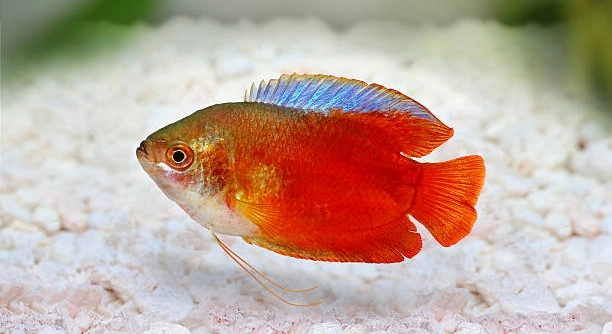
Gouramis are peaceful fish that often bring calm to a home aquarium. They enjoy stable environments without too many sudden changes. Adding new tank mates can sometimes cause stress and disrupt their usual behavior.
Certain fish and creatures, such as aggressive species, fast swimmers, or large predators, can make gouramis nervous. Tank additions like cichlids, bettas, or large catfish often intimidate gouramis, leading to stress or hiding behavior in these sensitive fish.
Knowing which tank additions affect gouramis helps maintain a peaceful and healthy aquarium. This guide will highlight common species that may cause tension for your gourami.
Aggressive Tank Mates
Aggressive fish like cichlids can create a stressful environment for gouramis. These fish are known for defending their territory strongly. Gouramis, which are generally peaceful and shy, may feel threatened and hide more often. When aggressive fish chase or nip at gouramis, it disrupts their eating and resting routines. This constant stress weakens their immune system, making them more prone to illness. Over time, gouramis may stop swimming openly or lose their vibrant colors. Aggressive behavior also raises the risk of physical injury to gouramis. To keep the tank balanced, it’s important to select peaceful tank mates that do not provoke gouramis. Careful planning of the aquarium’s inhabitants ensures a calm and healthy space for all fish.
Choosing tank mates that match the temperament of gouramis helps maintain harmony in the aquarium.
Aggressive fish usually dominate the tank and stress smaller or more timid species like gouramis. Their constant movement and territorial fights keep gouramis on edge. For example, many cichlids swim fast and display bright colors, which can intimidate gouramis. Aggression also leads to increased competition for food, where gouramis often lose out. The presence of these fish means gouramis spend more time hiding than exploring or feeding. To avoid this, it’s best to separate aggressive species from gouramis or create divided tanks. Watching fish interactions closely can help identify if gouramis are stressed and need a change in their tank mates. A peaceful community tank with calm species will help gouramis thrive and display their natural behaviors more comfortably.
Fast and Bold Swimmers
Fast swimmers like danios or barbs can make gouramis uneasy. These fish often move quickly and dart around the tank, which may startle slower, more relaxed gouramis. The constant fast activity creates a busy environment that gouramis don’t prefer.
Fast, bold swimmers often outcompete gouramis for food and space. Gouramis may retreat to hiding spots to avoid stress caused by these tank mates. These conditions reduce gouramis’ ability to rest and explore freely. Gouramis prefer calm water with less disturbance, so it’s better to avoid mixing them with very active species.
Keeping fast swimmers separated from gouramis can reduce stress and improve tank harmony. Creating quiet zones with plants or decorations gives gouramis places to feel safe and relaxed.
Large Predatory Fish
Large predatory fish often intimidate gouramis. Their size and hunting instincts make gouramis nervous, causing them to hide frequently.
Predatory fish, such as arowanas or large catfish, can view gouramis as potential prey or competition. This fear disrupts the gouramis’ normal behavior, making them less active and less likely to eat properly. Constant stress from these large tank mates can weaken gouramis’ health over time. In a tank with big predators, gouramis may spend most of their time hiding among plants or decorations to avoid encounters.
Keeping gouramis with smaller, peaceful fish reduces stress. Providing plenty of cover helps gouramis feel safer when sharing space with larger fish. Careful tank planning is key to maintaining their well-being.
Territorial Bettas
Bettas are highly territorial and often view gouramis as rivals. Their aggressive nature makes gouramis uncomfortable and uneasy in shared tanks.
Bettas defend their space vigorously, using bright colors and flaring fins to intimidate others. Gouramis, being peaceful, usually avoid confrontation but still feel threatened. This tension leads gouramis to hide or swim away frequently, reducing their activity and social behavior. Bettas’ bold presence can overshadow gouramis, causing stress and decreased health over time.
Separating bettas and gouramis or using tank dividers can prevent conflict. Ensuring enough space and hiding spots helps gouramis cope when sharing tanks with territorial fish. A calm environment is essential for their comfort.
Bottom-Dwelling Catfish
Bottom-dwelling catfish can unsettle gouramis. Their size and activity near the tank floor may disturb gouramis’ space.
These catfish sometimes stir up sediment, creating cloudy water. This can make gouramis nervous and less willing to explore the tank freely.
Overcrowded Tanks
Overcrowding causes stress for gouramis by increasing competition for space and resources. Too many fish lead to poor water quality and limited hiding spots. Gouramis may become shy, stressed, or aggressive when there isn’t enough room. Maintaining proper tank size and stocking levels is essential for their comfort and health.
Sudden Changes in Tank Setup
Sudden changes, like rearranging decorations or adding new fish quickly, can cause gouramis to feel insecure. They rely on familiar surroundings and predictable routines. Keeping tank changes slow and gradual helps gouramis adjust without stress.
What tank additions make gouramis nervous?
Gouramis tend to get nervous around aggressive fish like cichlids and territorial species such as bettas. Fast swimmers like barbs and danios also cause stress because their quick movements can startle gouramis. Large predatory fish or bottom-dwelling catfish add to the nervousness, as gouramis feel threatened by their size and activity. Overcrowding and sudden changes in the tank setup also make gouramis uneasy.
How can I tell if my gourami is stressed?
Signs of stress in gouramis include hiding frequently, losing color, or reduced activity. They may stop eating or become more aggressive. You might notice they stay near the bottom or corners of the tank instead of swimming openly. Stress can also weaken their immune system, leading to illness or slow recovery from minor injuries.
Are bettas a good tank mate for gouramis?
Bettas are generally not good tank mates for gouramis due to their territorial nature. Bettas often see gouramis as rivals and can act aggressively. This tension causes gouramis to become nervous or hide. If you want to keep both, use a divided tank or separate tanks to avoid conflict and stress.
What are better tank mates for gouramis?
Peaceful, slow-moving fish like tetras, rasboras, or small peaceful catfish are better tank mates for gouramis. These species don’t compete aggressively for space or food. They also keep a calm environment, allowing gouramis to feel safe and behave naturally. Plants and decorations can help create hiding spots to reduce stress.
How does tank size affect gourami behavior?
Tank size plays a big role in gourami comfort. A small or overcrowded tank raises stress because there is little space for hiding and swimming. Gouramis need room to explore and feel secure. A larger tank with enough space for each fish reduces aggression and competition, helping gouramis stay calm and healthy.
Can sudden changes in the aquarium make gouramis nervous?
Yes, gouramis dislike sudden changes like rearranging decorations or adding new fish too quickly. These changes disrupt their sense of security. Gouramis prefer a stable environment and predictable surroundings. Making gradual changes over several days helps them adjust without stress.
Why do gouramis hide so much?
Hiding is often a sign that gouramis feel nervous or threatened. It can be caused by aggressive tank mates, fast swimmers, or poor tank conditions. Gouramis also hide to rest or feel safe. If hiding becomes excessive, it’s a sign something in the tank environment is stressing them.
How can I reduce stress for my gouramis?
Provide peaceful tank mates, enough space, and plenty of plants or decorations for hiding. Avoid sudden changes and overcrowding. Maintain good water quality and stable conditions. Watching how gouramis behave regularly helps catch signs of stress early so adjustments can be made quickly.
Is it okay to keep gouramis with catfish?
Small, peaceful catfish are usually fine with gouramis. But large or very active bottom dwellers can disturb gouramis by stirring up the substrate or invading their space. Always research the specific species before adding catfish to a gourami tank to ensure compatibility.
Do gouramis need hiding spots?
Yes, gouramis feel safer when they have hiding spots. Plants, caves, or decorations provide refuge from more active or aggressive tank mates. Hiding spots reduce stress and encourage natural behaviors, helping gouramis thrive in a community tank.
When keeping gouramis, it is important to create a calm and peaceful tank environment. Gouramis are naturally gentle fish that do best with tank mates that don’t cause them stress. Adding aggressive, fast-moving, or very large fish can make gouramis nervous and affect their health. Understanding which species cause this stress helps in choosing the right companions for your gourami. This way, you can avoid problems like hiding, loss of appetite, or weakened immunity. Providing enough space and quiet areas in the tank also makes a big difference in how comfortable gouramis feel.
Tank size and layout play key roles in gouramis’ well-being. Overcrowded tanks increase competition for food and space, which can stress gouramis. They need room to swim and places to hide when they want privacy. Plants, caves, and decorations provide shelter and help gouramis feel safe. A stable tank setup with fewer sudden changes is also important. Gouramis thrive when their environment remains predictable and calm. Slowly introducing new tank mates or rearranging the tank can reduce stress for these sensitive fish.
Keeping gouramis healthy means watching their behavior and tank conditions closely. When gouramis act shy or hide often, it may be a sign of stress caused by tank mates or the environment. Making small changes like adding peaceful fish, increasing hiding spots, or improving water quality can help them relax. Regular care and attention ensure gouramis stay active and colorful. By choosing tank mates carefully and maintaining a peaceful aquarium, gouramis can live comfortably and show their true beauty.

Hello,
If you enjoy the content that we create, please consider saying a "Thank You!" by leaving a tip.
Every little bit helps us continue crafting quality advice that supports the health, happiness, and well-being of pets around the world, for pets of all shapes, sizes, and species.
We really appreciate the kindness and support that you show us!