
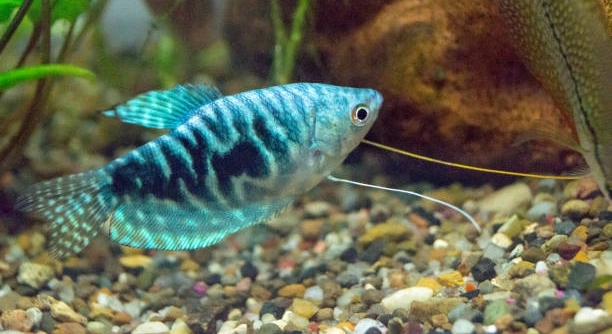
Do you ever find yourself worried about your gourami acting stressed or hiding more than usual in their tank?
The best way to help calm gourami is by following a consistent daily routine that meets their needs for food, environment, and gentle interaction. Predictable care supports their natural behaviors and reduces anxiety.
From lighting schedules to feeding habits, each small step can make a big difference in how your gourami feels day-to-day.
Consistent Feeding Time Helps Reduce Stress
Feeding your gourami at the same time each day helps them feel secure. Like many fish, gourami thrive on routine. They begin to recognize patterns and expect food at certain times. Sudden changes in schedule can confuse them and lead to stress-related behaviors like hiding, darting, or refusing food. A consistent feeding time also helps regulate their digestion and improves overall health. Use high-quality flakes or pellets and occasionally mix in some live or frozen treats like bloodworms or brine shrimp. Keep portions small to avoid overfeeding. Watch their behavior during feeding—calm and steady movement is a good sign. This daily habit is simple to manage and only takes a few minutes, but it makes a big difference. Observing them eat peacefully can also be a relaxing moment for you. Keeping this pattern steady every day is one of the easiest ways to support their calm and comfort.
Routine creates a sense of predictability, and that helps keep your gourami relaxed and confident in their space.
Establishing a specific feeding time also allows you to monitor your gourami’s behavior closely. If they suddenly ignore food or seem sluggish, it’s easier to spot. Early detection of changes can be important. You’ll be able to adjust care or check their environment quickly. Feeding also strengthens your bond with them, even though they don’t interact the same way a dog or cat might. Over time, they may start to swim to the front of the tank when they know food is coming. This kind of engagement is a good sign that they’re comfortable and secure. Avoid skipping feedings or changing times too often—consistency is key. Try setting a reminder or alarm if your schedule changes during the week. This small daily step is one of the most helpful things you can do for your gourami’s long-term calm and wellbeing.
A Quiet Space Supports Relaxation
Gourami need a calm and quiet space to stay at ease. Too much noise or movement near their tank can make them nervous.
Loud rooms, sudden vibrations, and constant foot traffic can startle gourami or cause them to hide more than usual. Their sensitive hearing picks up vibrations through the water, and they often respond by darting or becoming less active. Placing their tank in a quieter part of your home helps create a peaceful setting where they can swim without worry. Try not to tap the glass or allow children to play directly around the tank. Adding soft background lighting can also help create a more relaxed environment. It’s okay if the room has natural noise like soft music or distant conversation, but avoid placing the tank near speakers or a television. Curtains or a tank background can help block out sudden movement, and floating plants offer added cover for your gourami to feel safe.
Stable Water Conditions Keep Gourami Calm
Gourami are sensitive to changes in their environment, especially water quality. Clean, stable water helps them feel safe and reduces stress-related health issues. Testing water regularly and keeping it consistent is one of the most important parts of their care.
A steady water temperature between 75–80°F is ideal. Sudden drops or spikes can lead to stress or illness. Use a reliable heater and thermometer to keep it steady. pH should stay between 6.8 and 7.8. Test kits can help you track levels of ammonia, nitrites, and nitrates. A weekly 25% water change keeps toxins low and oxygen levels healthy. Avoid cleaning too much at once—removing all water or cleaning the filter too often can upset the balance. Add new water slowly, and make sure it’s the same temperature as the tank. This helps your gourami feel comfortable and keeps their immune system strong.
Filtration is key for clean and safe water, but the filter flow should be gentle. Gourami are not strong swimmers, and strong currents can tire or stress them. Choose a filter with an adjustable flow setting or add a sponge to reduce movement. Live plants can also help absorb waste and give the tank a more natural feel. Watch how your gourami moves—if they’re always fighting the current or hiding behind decorations, it may be time to adjust the setup. Proper lighting and a regular light schedule also play a role in water stability. Aim for 8–10 hours of light a day. Keeping their tank consistent gives your gourami the calm space they need to stay happy and active.
Tank Decor That Feels Safe
Gourami feel calmer when they have places to hide. Adding decorations like caves, driftwood, or live plants helps them feel secure and less exposed. These quiet spots offer comfort, especially when they feel stressed or need to rest.
Avoid sharp decorations or overcrowding the tank. Too many items can limit swimming space and make the tank feel cramped. Keep the layout open, with a few well-placed hiding spots. This gives your gourami choices and makes the environment feel more natural and peaceful.
Calm Tankmates Matter
Gourami do best with peaceful tankmates. Aggressive or fast-moving fish can stress them out, making them hide more or act skittish. Choose calm species that won’t nip at fins or compete for space. Good options include small tetras, rasboras, or peaceful bottom dwellers like corydoras. Avoid fish that are overly active or territorial. Watch how your gourami behaves after introducing a new fish—if they stop eating or hide all day, it may be a sign the new tankmate isn’t a good match. A relaxed community helps your gourami feel more at ease in their home.
Predictable Light Schedule Helps
Keeping the tank light on a set schedule helps your gourami stay calm. Use a timer to keep lights on for 8–10 hours each day. Sudden light changes or leaving the tank light on too long can confuse their natural rhythms.
FAQ
How can I tell if my gourami is stressed?
A stressed gourami may hide more often, refuse to eat, or show pale colors. You might also notice them darting around the tank or gasping at the surface. These changes usually mean something in their environment is off—like poor water quality, tankmate aggression, or sudden temperature shifts. Keep an eye on their regular habits so it’s easier to notice when something’s wrong. Fixing the cause quickly helps prevent illness or further stress. A calm gourami will swim slowly, eat well, and explore their tank regularly. Their color should look rich, not faded.
Is it okay to change their tank setup often?
No, frequent changes can confuse and stress your gourami. They rely on routine and familiar surroundings to feel safe. If you need to move decorations or clean the tank, try to do it in small steps. Rearranging everything at once can make them feel lost and anxious. Keep their hiding spots in place when possible, and avoid changing water temperature or lighting during these changes. If you must upgrade their tank, move items from the old tank to help keep their space familiar. This helps them settle faster in the new setup.
What kind of lighting is best for gourami?
Soft, natural-style lighting works best. Too much brightness can stress your gourami, especially if the tank lacks places to hide. Use adjustable LED lights when possible and avoid intense overhead light. A lighting period of 8–10 hours helps maintain a healthy day-night cycle. Use a timer for consistency. You can also place the tank away from windows to avoid direct sunlight, which can cause sudden brightness and raise the water temperature. Adding floating plants helps filter the light naturally and gives your gourami more cover to rest under.
Do gourami like music or background noise?
They don’t enjoy loud sounds, but soft, steady background noise usually doesn’t bother them. Loud music or television right next to the tank can cause stress, especially with vibrations or deep bass. Gourami are sensitive to vibrations in the water, and unexpected sounds can make them dart or hide. If you listen to music nearby, keep the volume low and avoid placing speakers too close. A calm room with gentle sounds helps them feel more secure. Some people find that low, ambient noise actually helps gourami stay relaxed.
Can I feed my gourami treats every day?
Treats are fine in small amounts, but not daily. Overfeeding can cause health problems like bloating or poor water quality. Stick to a balanced diet of pellets or flakes and offer treats—like bloodworms or brine shrimp—two to three times a week. Treats should never replace their main food. Rotate different options to keep them interested and support their nutrition. Always remove uneaten food after a few minutes to avoid cloudy water. Keeping a regular feeding routine is more important than offering treats often.
How long does it take for a gourami to adjust to new routines?
It can take several days to a couple of weeks. Gourami need time to feel safe in their environment, especially if something has changed. Be patient and stay consistent with feeding, lighting, and water care. Watch for small signs of improvement, like them swimming more openly or eating with interest. Don’t make too many changes at once—it’s better to give them time to adjust slowly. If your gourami was recently added to a tank, give them at least a week to settle before making further changes.
Do gourami need interaction to stay happy?
They don’t need direct interaction like dogs or cats, but they do respond to your presence. Many gourami will swim to the front of the tank when they see you, especially if it’s near feeding time. Watching them and gently observing their behavior helps build a sense of trust. Avoid tapping on the glass or trying to touch them. Instead, keep your movements around the tank slow and calm. Over time, they’ll learn to recognize you and may become more active when you’re near. This kind of quiet interaction supports a calm environment.
Final Thoughts
Caring for gourami can feel simple once you build a steady routine. These fish respond well to calm, predictable care. Giving them clean water, a quiet space, and the same feeding schedule every day helps them feel safe. Even small changes can affect them, so staying consistent makes a big difference. When their tank is peaceful and balanced, gourami are more likely to show their natural colors and swim around with confidence. Watching them move slowly and explore their space can be a relaxing part of your day too.
Each part of your care routine plays a role in how your gourami feels. A soft light cycle, stable temperature, and peaceful tankmates help lower stress. Decor with hiding places lets them rest without fear. While gourami don’t need toys or constant interaction, they do benefit from a steady environment. They will recognize your presence over time, especially during feeding. Simple things, like keeping loud sounds away and avoiding sudden movements, help them feel more secure. Small habits, done daily, support their overall health and comfort.
It’s easy to forget that fish can feel stress, but it shows up clearly in how they act. A calm gourami eats well, swims slowly, and stays out in the open. A stressed one hides, stops eating, or darts around. When you take the time to understand their needs, you can prevent many problems before they start. No fancy tools are needed—just regular care and attention to their behavior. With a little effort each day, your gourami can live a calm and healthy life in their tank.

Hello,
If you enjoy the content that we create, please consider saying a "Thank You!" by leaving a tip.
Every little bit helps us continue crafting quality advice that supports the health, happiness, and well-being of pets around the world, for pets of all shapes, sizes, and species.
We really appreciate the kindness and support that you show us!