
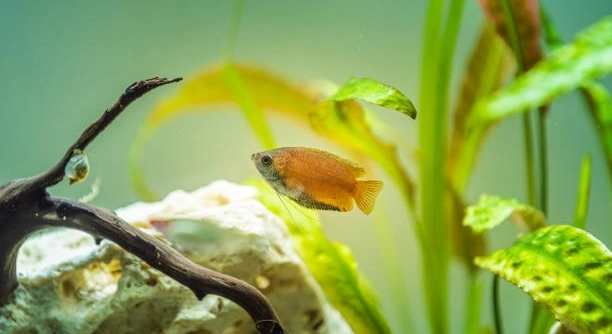
Gouramis are peaceful freshwater fish often kept in home aquariums. They sometimes pick one spot in the tank and remain there for long periods. This behavior can be interesting to observe for fish owners and hobbyists alike.
When gouramis choose one spot and stay there, it is usually due to comfort, territory establishment, or environmental factors. They may feel safe in that location, or the conditions there may best suit their needs for resting or hiding.
Learning why gouramis settle in a single spot can help you better care for them. Understanding their habits ensures a healthier and more comfortable aquarium environment for these gentle fish.
Why Gouramis Pick One Spot
Gouramis often choose one spot in their tank because it feels safe and comfortable. This area might have the right amount of hiding places or gentle water flow, making the fish feel secure. Gouramis are territorial by nature, and settling in one spot helps them keep an eye on their surroundings. Sometimes, the lighting or temperature in that area is just right, which also attracts them. If the tank has plants or decorations, gouramis may prefer spots near these because they offer shelter and reduce stress. Watching your gourami stay in one place can be normal behavior, especially if it looks relaxed and healthy. However, if the fish seems stuck or inactive for long periods without eating, it could indicate a problem like illness or poor water conditions. Regular tank maintenance and observation help ensure your gourami remains happy in its chosen spot.
Gouramis pick spots that meet their needs for comfort, safety, and territory within the aquarium.
Paying attention to where gouramis settle can reveal much about their well-being. If your fish seems happy, the spot is likely a good fit. Make sure the environment stays clean and stable. Adding plants or gentle decorations can encourage your gourami to feel secure. Keep the water temperature consistent and avoid sudden changes. Remember that each gourami is unique, and their favorite spot may vary based on their personality or tank setup. Creating a calm and welcoming environment allows your gourami to thrive, whether it spends time in one area or moves around. Observing their behavior regularly helps you catch signs of discomfort early and take action to improve their habitat.
How Tank Conditions Affect Gourami Behavior
Tank conditions greatly influence where gouramis choose to stay. Poor water quality, incorrect temperature, or strong currents can make gouramis uncomfortable, pushing them to find calm, protected spots. Gouramis prefer still or slow-moving water, so a location with less flow is usually attractive. Uneven lighting can also affect their choice, as gouramis often avoid very bright or harshly lit areas. Providing stable, clean water and a balanced environment is key to keeping gouramis comfortable and active.
Maintaining proper water quality and a calm environment supports natural gourami behavior and health.
Tank size, filtration, and decoration placement all impact how gouramis behave. Larger tanks with plenty of hiding spots let gouramis explore and pick spots that suit them best. If the tank is overcrowded or noisy, gouramis may become stressed and stick to one spot more than usual. Regular water changes, proper filtration, and gentle aeration help maintain good water conditions. Adding live plants can improve water quality and provide shelter. Watching how your gourami interacts with the environment gives clues about its comfort level. Adjusting tank conditions based on what you observe can improve your fish’s well-being and reduce stress-related behavior like excessive hiding or inactivity.
Signs Your Gourami Is Comfortable in One Spot
When gouramis are comfortable, they show calm and relaxed behavior. Their fins move gently, and they stay alert but not tense. They may slowly swim around their spot or rest quietly nearby. Eating regularly and exploring a little are also good signs.
Comfortable gouramis will often hover near plants or decorations without hiding completely. Their color looks bright, and they respond calmly to your presence. If they stay in one spot but still interact with the environment, it usually means they feel safe. Sudden changes in activity or appearance may signal stress or illness. Keep observing their habits to understand their comfort better.
If a gourami chooses one spot but seems restless or hides completely, it might feel unsafe. Offering more cover or adjusting tank conditions can help. A calm fish that stays in one area is often just enjoying its favorite resting place.
Effects of Stress on Gourami Behavior
Stress can cause gouramis to behave differently, including sticking to one spot. Factors like poor water quality, overcrowding, or aggressive tank mates often cause this. Stress weakens their immune system and reduces activity. Identifying stress sources is important to improve their health.
Stress can lead to less movement, loss of appetite, or hiding in unusual places. In some cases, gouramis may show rapid breathing or faded colors. Stress reduces their ability to fight diseases and lowers their overall lifespan. To reduce stress, maintain clean water, avoid sudden changes, and ensure compatible tank mates. Providing plenty of hiding spots also helps gouramis feel secure. Addressing these issues quickly supports your fish’s well-being and encourages more natural behavior.
Common Reasons Gouramis Stay in One Spot
Gouramis often stay in one spot because they feel safe there. This spot may offer shelter from light or strong currents. It could also be a place where they can watch their surroundings without being disturbed.
Sometimes, gouramis pick a spot to mark their territory. This behavior helps reduce conflicts with other fish in the tank.
Feeding Habits and Spot Selection
Gouramis may choose spots close to their food source or areas where they feel comfortable eating. If the feeding area is near plants or decorations, they might prefer those spots to feel protected while eating. Consistent feeding times and locations can encourage gouramis to stick to one spot regularly.
How Lighting Influences Gourami Behavior
Gouramis tend to avoid very bright light, so they often pick shaded or dimmer areas in the tank. Proper lighting balance helps gouramis feel secure and reduces stress, encouraging them to explore more instead of staying in one place.
Why does my gourami stay in one spot all day?
Your gourami likely stays in one spot because it feels safe and comfortable there. This spot may have the right water flow, temperature, or cover that helps the fish relax. Gouramis are naturally territorial, so they often claim a favorite resting place. If the fish is active and eating normally, this behavior is usually nothing to worry about. However, if it stays still for very long without moving or eating, it might be a sign of stress or illness.
Is it normal for gouramis to pick one spot and not swim around much?
Yes, it is normal for gouramis to stay in one area for extended periods. These fish like to rest and keep an eye on their environment from a spot they trust. Gouramis prefer calm water and places with shelter, so they often stay put near plants or decorations. Just make sure the fish is still responsive and eating well. If it becomes lethargic or shows signs of distress, it might be time to check the water quality or tank conditions.
Could my gourami’s behavior mean it’s sick?
It could. When gouramis are sick, they often become inactive and stick to one place more than usual. Watch for other symptoms like loss of appetite, clamped fins, or discoloration. Illness or poor water quality may cause this behavior. Regular water tests and maintaining good tank hygiene help prevent sickness. If you notice signs of disease, consider consulting a vet or fish expert for proper treatment.
How does tank size affect gourami’s choice of spot?
Tank size matters a lot. In smaller tanks, gouramis might feel cramped and stay in one spot more often due to limited space. Larger tanks give them room to explore and find multiple favorite areas. Overcrowding can stress gouramis and cause them to hide or stay still. A spacious tank with plenty of hiding spots helps gouramis feel secure and more active.
What tank conditions make gouramis stay in one spot?
Poor water quality, uneven temperature, and strong currents often push gouramis to pick quiet corners where conditions are better. They prefer slow-moving, warm water around 75–82°F (24–28°C). Low oxygen levels or high ammonia can cause stress, making them inactive. Adding plants and gentle filtration creates a calm environment that gouramis like, helping them feel safe in their chosen spot.
Can tank mates cause a gourami to stay in one place?
Yes. Aggressive or overly active tank mates may intimidate gouramis, causing them to hide or remain still in one spot. Gouramis prefer peaceful fish companions. If your gourami stays hidden or motionless when other fish are nearby, consider changing the tank mates or rearranging decorations to provide more hiding places. A peaceful environment encourages gouramis to swim freely.
How often should I change the water to keep gouramis comfortable?
Regular water changes are important. Changing about 20-30% of the water weekly helps keep the tank clean and the water parameters stable. This reduces stress and prevents harmful build-up of ammonia and nitrates. Clean water encourages gouramis to explore the tank instead of hiding in one spot. Avoid drastic changes to prevent shocking the fish.
What role do plants and decorations play in gouramis’ spot preference?
Plants and decorations offer shelter and reduce stress, so gouramis often pick spots near them. Live plants improve water quality by absorbing nitrates and provide hiding places. Gouramis feel safer when they can rest near or under plants. Decorations create boundaries and help establish territories, which gouramis like. The right setup encourages natural, relaxed behavior.
Is it okay if my gourami rarely moves from its chosen spot?
If your gourami looks healthy, eats well, and responds to you, it’s generally fine to stay in one spot. This behavior can mean the fish feels secure. However, if the fish seems sluggish or stops eating, you should check water quality and look for signs of illness. Monitoring your gourami regularly helps catch any problems early.
How can I encourage my gourami to explore the tank more?
Improving tank conditions is key. Provide hiding places like plants and decorations, keep water clean, and maintain proper temperature. Avoid overcrowding and aggressive tank mates. Feeding varied food and placing it in different parts of the tank can also encourage movement. Gentle lighting and calm water flow help gouramis feel safe to explore.
Can gouramis be trained to swim more or stay in different areas?
Gouramis respond well to routine and environmental changes. Regular feeding times and placing food in different spots can encourage movement. Adding new plants or decorations may spark curiosity. However, gouramis have individual preferences and may still choose to stay in their favorite spot. Patience and a comfortable tank setup are the best ways to support natural behavior.
What should I do if my gourami suddenly changes its usual spot?
A sudden change might indicate stress or discomfort. Check water quality, temperature, and tank mates for possible causes. Look for signs of illness or injury. Sometimes, rearranging the tank or adding new decorations can prompt gouramis to explore new areas. If your fish seems healthy but just curious, this is normal behavior. Keep observing to ensure it settles comfortably again.
How important is water temperature for gourami behavior?
Water temperature greatly affects gourami activity. These fish prefer warm, stable temperatures between 75 and 82°F (24–28°C). If the water is too cold or fluctuates suddenly, gouramis may become inactive and stick to one spot to conserve energy. Using a reliable heater and monitoring temperature regularly helps keep gouramis comfortable and active.
Does feeding frequency affect where gouramis stay in the tank?
Feeding schedule can influence their movement. Gouramis often stay near feeding spots if food is placed regularly in one area. Spreading feeding locations encourages them to swim and explore more. Avoid overfeeding, as leftover food can pollute water and stress your fish. Balanced feeding routines help maintain a healthy and active gourami.
Are there specific signs that indicate a gourami is stressed while staying in one spot?
Yes, signs of stress include rapid breathing, faded color, clamped fins, and refusing food. If a gourami stays in one spot but shows these signs, it may be struggling with water quality, tank mates, or illness. Immediate attention to tank conditions and possibly veterinary care can help reduce stress and improve health.
Gouramis choosing one spot and staying there is common behavior that often shows they feel safe and comfortable. These fish like calm places with the right water flow and shelter, such as plants or decorations. When gouramis pick a favorite spot, it usually means they are relaxed and resting. Watching them settle in one area can be interesting because it tells you how they feel in their environment. It is important to remember that each gourami is unique, and their favorite spot may change depending on the tank setup or how they feel that day.
However, staying in one spot for too long can sometimes point to problems. If a gourami seems inactive, stops eating, or looks unhealthy, it may be stressed or sick. Stress can come from poor water quality, aggressive tank mates, or sudden changes in the environment. Keeping the water clean, stable, and at the right temperature helps gouramis stay healthy. Providing plenty of hiding places and peaceful companions also supports their well-being. Regular observation is key to spotting any changes in behavior early, so you can take action if needed.
In the end, gouramis are simple but sensitive fish that need a calm and balanced tank environment. They may spend a lot of time in one spot, and this can be normal if they show no signs of distress. Creating a tank that mimics their natural habitat with slow water movement, plants, and stable conditions encourages natural behavior. By paying attention to your gourami’s favorite spots and habits, you can help ensure they live a comfortable and healthy life. This understanding makes caring for them easier and more rewarding over time.

Hello,
If you enjoy the content that we create, please consider saying a "Thank You!" by leaving a tip.
Every little bit helps us continue crafting quality advice that supports the health, happiness, and well-being of pets around the world, for pets of all shapes, sizes, and species.
We really appreciate the kindness and support that you show us!