
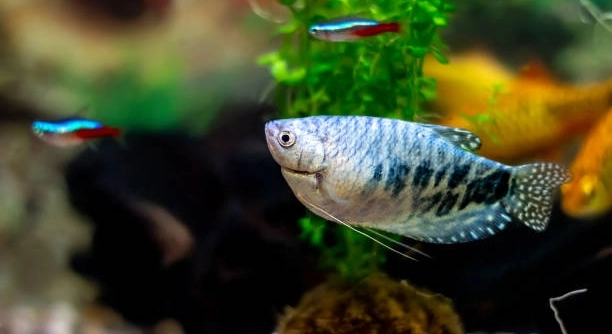
Is your gourami acting out of character, switching from calm to aggressive with no warning? Sudden behavior changes like these can be confusing and concerning for fish owners trying to provide the best care.
Sudden mood swings in gouramis often stem from environmental stressors, changes in water quality, tankmate conflicts, or health issues. Identifying and addressing the root cause promptly can help restore balance and promote a healthier, more stable temperament.
Understanding these behavior shifts helps you respond quickly and keep your gourami safe, comfortable, and thriving in its tank environment.
Poor Water Conditions
Poor water quality is one of the most common triggers for sudden mood swings in gouramis. Even slight changes in ammonia, nitrite, or nitrate levels can affect their behavior. Dirty tanks, overcrowding, and irregular cleaning schedules often lead to fluctuating water parameters. When stressed by these shifts, gouramis may become aggressive, hide more often, or show signs of discomfort. Maintaining stable, clean water is essential. Use a reliable test kit to monitor levels regularly and carry out partial water changes weekly. Avoid sudden temperature shifts and keep the filtration system clean to help prevent unwanted stress-related behavior in your fish.
Gouramis exposed to poor water conditions may refuse food, stay near the surface, or flare their fins more than usual.
Consistent tank maintenance is necessary to keep conditions safe. This includes cleaning debris, checking the filter’s function, and ensuring the pH remains stable. A stable tank helps support calmer behavior. If you notice a sudden change in your gourami’s attitude, test the water first. Many behavioral issues resolve on their own once the environment is corrected. A well-kept tank can prevent most mood-related issues, helping your gourami remain active, peaceful, and responsive. Always check your equipment to be sure it’s running efficiently and not contributing to instability.
Aggressive Tankmates
Some fish do not get along with gouramis. If your gourami suddenly becomes reclusive or starts chasing others, it might be reacting to tankmates that are too aggressive.
Gouramis do best with peaceful companions. If they’re forced to share space with fin-nippers, fast swimmers, or territorial fish, they may become anxious or hostile. Even a peaceful tankmate might become more dominant over time, leading to stress in your gourami. Constant chasing or harassment often causes behavioral changes. Watch how the fish interact throughout the day. If aggression is observed, separate the fish if needed. Rearranging tank decorations can also break up territories and help reduce tension. In some cases, a tank divider might work temporarily while deciding whether to rehome the incompatible fish. Pay close attention to your gourami’s behavior and look for signs like torn fins, hiding, or a sudden drop in activity. A stress-free tank leads to better health and behavior.
Inadequate Hiding Spots
Gouramis need safe places to rest and feel secure. Without enough hiding spots, they may become anxious, aggressive, or overly active. This lack of shelter creates stress, especially when surrounded by other fish or in a noisy environment.
Providing a well-decorated tank with plenty of plants, caves, or driftwood can help your gourami feel protected. These hiding spots offer a retreat during stressful moments and help reduce territorial behavior. Avoid open, bare tanks, especially in community settings. Tall plants and low shelters work well for gouramis who like to stay near the surface or mid-level. Rearranging decor can also prevent boredom or aggression from setting in. When your fish has safe places to go, its behavior tends to improve naturally. Watch for signs like hovering in corners or darting quickly—these may suggest the fish feels exposed.
A tank with no cover may increase your gourami’s sensitivity to movement and light. Sudden shadows or noise can cause them to flare, chase, or hide erratically. Adding even a few broad-leaf plants or stacked rocks helps calm these behaviors. Ensure the tank has varied levels of coverage, both high and low. Not only does this reduce stress, but it also encourages more natural swimming patterns. A secure gourami is more peaceful and interactive.
Sudden Environmental Changes
Sudden changes to the tank environment can unsettle a gourami. This includes shifting decor, altering lighting, or moving the tank to a new location. These adjustments can lead to fear-based aggression or withdrawn behavior.
Changes in their surroundings can confuse and overwhelm gouramis. A new background, rearranged plants, or even moving the tank closer to a window can cause stress. Light exposure or reflections may create the illusion of another fish, triggering defensive reactions. If cleaning or redecorating the tank, make small changes gradually to avoid spooking the fish. Similarly, avoid large water changes in one go, as this may disrupt the tank’s balance. Temperature shifts from room drafts or direct sunlight can also affect behavior. Any sudden adjustment, even a loud sound near the tank, may lead to flaring or hiding. Give your gourami time to adjust by keeping changes minimal and spread out. A stable space leads to a calmer fish.
Hormonal Changes
Hormonal shifts, especially during breeding periods, can cause sudden mood swings in gouramis. Males may become territorial or display erratic behavior, while females might act more withdrawn or sensitive to tank activity.
These changes are usually temporary but can lead to flaring, chasing, or hiding. Providing a calm, stable tank can help reduce intensity.
Illness or Injury
Health problems often cause behavior changes. A sick or injured gourami might become less active, isolate itself, or lash out suddenly. Internal parasites, infections, or minor injuries can make the fish more irritable or fearful. Watch for signs like clamped fins, labored breathing, or a faded color. Early treatment improves outcomes and reduces stress-related behaviors. Always isolate sick fish if needed and check water parameters frequently during recovery. Feeding high-quality food and maintaining a quiet environment can also help support healing. Sudden mood shifts without an obvious cause may point to hidden health issues worth investigating closely.
Lack of Mental Stimulation
Gouramis can become restless or aggressive if they are bored. A bare tank with no variation in routine can lead to unwanted behavior changes. Rotate decor or add new elements to keep them engaged.
FAQ
Why is my gourami suddenly chasing other fish?
This often happens due to stress, overcrowding, or hormonal changes. Male gouramis especially become territorial during breeding times or when competing for space. If the tank lacks hiding spots or feels too confined, chasing can increase. Ensure each fish has enough room and shelter. Adding floating plants or decorations can help reduce aggression. Also, check for new tank mates that may have disrupted the existing balance. Some gouramis react strongly to unfamiliar fish, especially those with bright colors or long fins.
Can water temperature changes affect mood swings in gouramis?
Yes, even small temperature shifts can affect your gourami’s behavior. A drop or spike in water temperature may cause them to act restless, withdrawn, or aggressive. Consistent temperature helps keep them stable. Gouramis prefer a steady range between 75–80°F. Sudden changes, especially after a water change or room temperature fluctuation, can lead to erratic swimming or increased hiding. Always use a reliable heater and thermometer to monitor conditions daily.
What should I do if my gourami is hiding more than usual?
Hiding more often can be a sign of stress, fear, or illness. Check for sudden changes in the tank, such as new decorations, lighting, or tank mates. Look closely for physical signs of illness like spots, discoloration, or fin damage. If the tank is noisy or in a high-traffic area, consider relocating it to a quieter space. Adding more hiding spots or plants can also help your fish feel safer. Monitor their behavior closely over the next few days to see if things improve.
Is aggression between two gouramis normal?
Mild chasing or flaring is common, especially among males. However, constant aggression, biting, or blocking access to food is a problem. Gouramis are territorial, especially in smaller tanks. If possible, separate them or add visual barriers like tall plants to break line of sight. Consider rearranging the tank layout to reduce established territories. Housing two males in a small tank increases the risk of conflict. A larger tank with distinct areas helps reduce tension.
Do gouramis get bored in the same tank setup?
Yes, lack of stimulation can cause behavioral changes. Gouramis enjoy exploring and can become restless or aggressive if their environment never changes. Rotate decorations or add new ones occasionally. Use live plants, floating leaves, or bubble walls to vary the space. Even small changes like switching the position of driftwood or adding temporary tank dividers can offer enrichment. Feeding routines can also play a role—try varying food types or schedules to keep them engaged.
Can lighting affect my gourami’s mood?
Excessive or harsh lighting may cause stress and mood swings. Gouramis prefer soft, natural lighting. Bright, direct light can increase anxiety or make them hide more. If your tank is near a window, be mindful of sunlight exposure. Consider using adjustable LED lights and adding floating plants to diffuse brightness. A proper light-dark cycle also helps maintain their internal rhythm. Sudden lighting changes, like turning lights on or off abruptly, can startle them and trigger erratic behavior.
How do I calm a stressed gourami?
Keep the tank quiet and maintain stable water conditions. Avoid tapping the glass or sudden movements. Dim the lights if possible and add extra hiding spots. If the fish shares the tank, make sure no one is bullying or chasing it. Feeding smaller portions of high-quality food can support recovery. Also, double-check water parameters to rule out issues like ammonia spikes or pH shifts. A consistent, peaceful environment helps a stressed gourami return to its usual behavior.
Why does my gourami flare its fins at me?
This is usually a defensive or territorial response. Gouramis may see their reflection in the glass or respond to movement outside the tank. If it happens often, consider adjusting the lighting or placing a background on the tank to reduce reflections. In some cases, it’s simply a show of dominance or excitement, especially during feeding or after a recent tank change. If the behavior is brief and the fish returns to normal, it’s usually nothing to worry about.
Final Thoughts
Mood swings in gouramis can be surprising, especially when their behavior changes without warning. These changes are often linked to their environment, tank mates, or physical health. While some shifts may be temporary, others can be signs of deeper issues. Understanding what affects their mood is key to keeping them calm and healthy. It may take a bit of patience and observation, but small adjustments in their care often lead to noticeable improvements in behavior.
Water quality, tank size, and social dynamics all play a part in how a gourami behaves. If the water is not stable or if the tank feels overcrowded, they may become aggressive or withdrawn. Making sure the tank is well-maintained, quiet, and balanced can go a long way in helping them feel safe. Even changes in light, feeding, or decorations can affect their mood. Paying attention to their daily habits and spotting changes early can prevent long-term problems.
Every gourami has a unique personality, and not all mood shifts are a cause for alarm. Some may simply be more dominant or shy than others. What matters most is noticing patterns and providing a steady environment that meets their needs. With the right setup, most mood swings can be managed or prevented. Watching your gourami thrive in a calm tank setup is not only rewarding but also a sign that their needs are being met properly.

Hello,
If you enjoy the content that we create, please consider saying a "Thank You!" by leaving a tip.
Every little bit helps us continue crafting quality advice that supports the health, happiness, and well-being of pets around the world, for pets of all shapes, sizes, and species.
We really appreciate the kindness and support that you show us!