
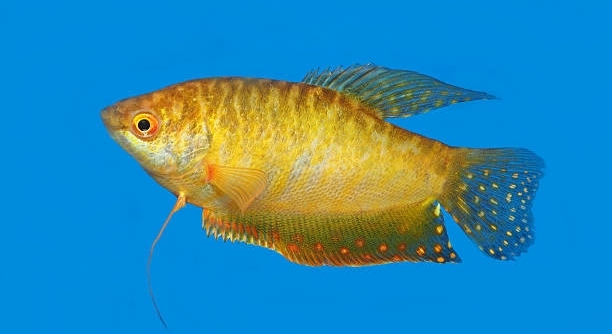
Are your gouramis suddenly acting sluggish or hiding more than usual? Changes in temperature can affect their behavior in noticeable ways.
Gouramis respond to temperature drops by becoming less active, showing signs of stress, and sometimes refusing food. In severe cases, their immune system weakens, making them more vulnerable to infections and other health issues.
Knowing how gouramis react can help you spot trouble early and take simple steps to keep your fish comfortable and healthy.
Keep the Water Warm and Stable
Sudden temperature drops can shock gouramis, so keeping their water warm and steady is important. Use a reliable heater with a built-in thermostat to maintain consistent temperatures, ideally between 75–80°F (24–27°C). Check the temperature daily with a thermometer. If the room gets cold, consider adding an aquarium cover or insulation around the tank to prevent heat loss. Always change water slowly and match the new water’s temperature as closely as possible. Gouramis are sensitive to fluctuations, so even small changes can affect their health. Avoid placing the tank near drafty windows or vents. A backup power source can help during outages. Stable conditions help gouramis stay active, eat well, and avoid stress-related illnesses. When temperatures are stable, their colors stay brighter and their behavior remains calm and predictable, which is a good sign they are doing well.
A small investment in proper equipment can make a big difference in your gourami’s daily comfort and long-term health.
When water stays warm and steady, gouramis are more likely to stay active, maintain a healthy appetite, and resist common diseases that thrive in cooler or unstable conditions. Paying attention to temperature can prevent many issues before they start and help your fish stay balanced.
Watch for Sluggish Behavior
A drop in temperature may cause gouramis to slow down or stop swimming altogether. They may stay near the bottom or hide more often.
When you notice this kind of sluggish behavior, check the water temperature right away. If it has dropped below the ideal range, take gentle steps to correct it. Raise the temperature slowly—no more than 2 degrees Fahrenheit per hour—to avoid shocking your fish. Also, observe their breathing. Cooler temperatures can lower their metabolism, and they may breathe more slowly. This isn’t always bad, but if it’s combined with loss of appetite or discoloration, it could signal a deeper issue. Avoid overfeeding during this time, as uneaten food can rot and affect water quality. Clean the tank regularly and remove waste to prevent additional stress. In colder temperatures, gouramis’ immune systems don’t work as efficiently, so keeping their environment clean helps reduce risk. With slow adjustments and consistent care, most gouramis bounce back without long-term effects.
Adjust Feeding Habits
Cooler water slows down your gourami’s digestion, so feeding less often can help prevent bloating and leftover food in the tank. Overfeeding during this time may lead to poor water quality and added stress.
Feed smaller portions and reduce feeding to once every other day if the water is cooler than usual. Stick to high-quality pellets or flakes that are easy to digest, and remove any uneaten food within a few minutes. If your gourami refuses to eat, don’t panic—wait until the temperature is stable again. Try to offer food when the tank is warmest, usually in the afternoon. This helps support digestion and prevents waste buildup. Frozen or live foods may also be harder for them to process in cold water, so keep meals light and simple. Always monitor their appetite, as it’s a helpful sign of how they’re coping with the cooler temperature.
Feeding changes should be paired with clean water and stable conditions. Avoid trying new foods during this period, since unfamiliar meals could be harder to digest. Keep notes if needed—tracking behavior, eating patterns, and water temperature can help spot patterns and make better decisions later. If they start eating again when the tank warms up, it’s a good sign they’re adjusting well.
Reduce Light and Movement Around the Tank
Lowering the light and reducing foot traffic near the tank can help create a calm space for your gourami. Bright lights and constant movement can add stress, especially when the fish are already uncomfortable from temperature changes.
Use dim lighting for shorter periods during the day, and avoid sudden changes in brightness. If the tank is in a busy area, try using a background or moving it somewhere quieter if possible. Reduced stimulation gives gouramis a chance to recover. Avoid tapping the glass or rearranging decorations during this time, as small disruptions can feel more intense when fish are stressed. If you normally keep the lights on for 10–12 hours, try shortening it to 6–8 hours. Let your fish rest in a peaceful environment where they feel safe. When the tank is calm, gouramis can conserve energy, stay balanced, and slowly return to their normal behavior as the temperature stabilizes.
Check for Signs of Illness
Look for clamped fins, pale colors, and labored breathing. These may appear when gouramis are stressed by cold water and are trying to adjust. Keep an eye on their movements and how they respond to light and sound.
If you notice any white spots, swelling, or unusual marks, your gourami may be sick. Illnesses can appear quickly when the immune system is weakened by temperature changes. Quarantine the fish if needed and test the water for ammonia and nitrites. Clean conditions and stable heat are key during recovery.
Use a Reliable Thermometer
A simple digital or stick-on thermometer helps you track even small changes. Place it away from the heater to get a more accurate reading of the water your fish actually experience.
Avoid Sudden Water Changes
Changing too much water at once can cause further stress. If you need to clean, only replace 10–15% and make sure the new water is close to the tank’s temperature.
FAQ
Why does my gourami act sluggish when the temperature drops?
Gouramis are tropical fish, so their bodies work best within a warm range. When the temperature falls, their metabolism slows, making them less active. This sluggish behavior is normal at lower temperatures but can become dangerous if it lasts too long or the water is too cold. Slower metabolism also means less energy for swimming and feeding.
How cold is too cold for gouramis?
Temperatures below 72°F (22°C) start to stress gouramis, and anything under 68°F (20°C) is risky for their health. Prolonged exposure to low temperatures can weaken their immune system and cause illness. Ideally, keep your gourami’s tank between 75°F and 80°F (24–27°C) to avoid these problems.
What should I do if my gourami refuses to eat after a temperature drop?
It’s common for gouramis to lose their appetite when the water cools. Don’t force-feed them. Instead, focus on gradually warming the tank back to the ideal temperature. Offer small amounts of easy-to-digest food when the tank is warmer, and remove uneaten food quickly to keep water clean.
Can sudden temperature changes kill my gourami?
Yes, rapid temperature shifts can shock gouramis and cause serious health issues, including death. It’s important to keep temperature changes slow and steady. Use a heater with a thermostat, and avoid placing the tank where drafts or sunlight cause sudden fluctuations.
How do I know if my gourami is sick or just reacting to the cold?
Look for signs like faded colors, clamped fins, white spots, or unusual swimming patterns. Stress from cold water can cause temporary behavior changes, but illness often comes with visible symptoms. If symptoms worsen or last longer than a few days after stabilizing temperature, consider consulting a vet or experienced fish keeper.
Is it safe to use a heater all year round?
Yes, using a heater all year helps maintain a stable temperature, especially in cooler climates or during winter. Constant temperature control reduces stress and keeps gouramis healthy. Make sure to check the heater regularly to avoid overheating.
Can I keep other fish with my gourami if the temperature drops?
Other fish may also be stressed by cold water, so compatibility depends on species and temperature tolerance. Avoid mixing tropical fish with those that prefer cooler water, as this can increase stress and health risks for all tank inhabitants. Maintain stable, appropriate temperatures for the species you keep.
What’s the best way to warm up a tank that’s too cold?
Increase the heater setting gradually, no more than 2°F per hour, to prevent shocking your fish. Check the thermometer frequently and add insulation around the tank if needed. Avoid using external heat sources like lamps, as they can create uneven temperatures.
How often should I check my gourami’s tank temperature?
Daily checks are best, especially during seasonal changes or if your home’s heating varies. Consistent monitoring helps catch drops early and keeps your fish safe. Use an accurate thermometer placed where your gouramis swim most.
Can temperature drops cause long-term health problems for gouramis?
Yes, repeated or prolonged exposure to low temperatures can weaken their immune system, making them more vulnerable to diseases. It can also stunt growth or affect breeding. Preventing temperature drops by maintaining steady warmth is the best way to protect their long-term health.
Maintaining the right temperature for your gourami is an important part of keeping them healthy and happy. Temperature drops can cause several changes in their behavior and overall health, such as becoming less active, eating less, or showing signs of stress. These reactions are natural because gouramis come from warm environments where the water temperature stays steady. When the temperature falls outside their comfort zone, it affects their metabolism and immune system. This can make them more likely to get sick or develop other health problems. Paying attention to the temperature and making sure it stays within a safe range is one of the easiest ways to avoid these issues. Small steps, like using a good heater and checking the water daily, can prevent many problems before they start.
It is also important to adjust your care routine during colder periods. Feeding less often and reducing light or noise near the tank can help gouramis cope better with temperature changes. Overfeeding or sudden environmental changes can add extra stress to fish that are already struggling with colder water. When the temperature is stable, you will likely see your gouramis swimming actively, eating well, and showing their bright colors. Taking the time to notice small changes in their behavior can help you act quickly if the temperature drops and they start to struggle. Regular water tests and careful maintenance of the tank’s environment will support their health and keep the aquarium clean, reducing risks of illness.
Overall, keeping gouramis healthy means creating a stable and comfortable home for them. Temperature is one of the key factors that influence their wellbeing, so it deserves special attention. By maintaining consistent warmth and avoiding sudden drops, you give your gouramis the best chance to thrive. Even small adjustments in feeding, lighting, and tank placement can improve how well your fish handle cooler times. Understanding their natural needs and responding gently during temperature changes shows care and helps your gouramis stay strong. With steady conditions and proper care, your gouramis can enjoy a long, healthy life in your aquarium.

Hello,
If you enjoy the content that we create, please consider saying a "Thank You!" by leaving a tip.
Every little bit helps us continue crafting quality advice that supports the health, happiness, and well-being of pets around the world, for pets of all shapes, sizes, and species.
We really appreciate the kindness and support that you show us!