
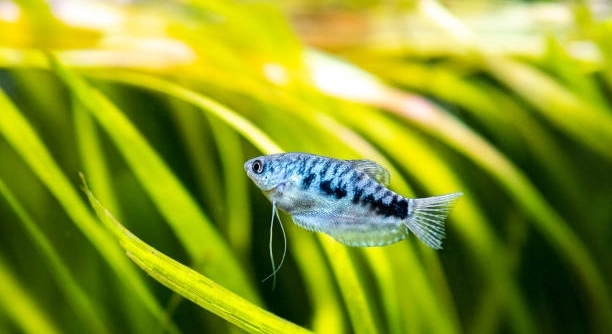
Many gourami owners enjoy watching their colorful fish thrive. However, feeding mistakes can cause frustration and harm to these beautiful pets. Knowing common feeding errors helps create a healthier environment for gouramis.
Feeding gouramis incorrectly can lead to stress, poor health, and decreased lifespan. Overfeeding, inappropriate food choices, and irregular feeding schedules are among the main mistakes that negatively affect their wellbeing. Proper feeding practices are essential for their care.
Learning about these common errors will help you improve your gourami’s diet and overall health. Keeping your fish happy starts with the right feeding habits and careful attention.
Overfeeding and Its Effects
Overfeeding is a common mistake many gourami keepers make. It might seem like a kind way to give your fish plenty of food, but it can cause serious problems. Excess food that isn’t eaten sinks to the bottom and starts to rot, which lowers water quality. Poor water quality stresses gouramis and can lead to illness. Additionally, too much food causes digestive issues and obesity in your fish. Gouramis need small, controlled meals to stay healthy. Feeding them once or twice a day with only what they can eat in a few minutes is enough. Observing their behavior during feeding helps you adjust the amount. If food remains after feeding, you are likely giving too much. Keeping their tank clean and monitoring feeding habits are key steps for good care.
Feeding less but more often is better for gouramis’ digestion and tank health.
Balancing the right feeding quantity helps maintain a clean tank and keeps gouramis energetic. Overfeeding not only harms the water quality but also shortens your fish’s life. It is better to feed smaller portions to avoid leftover food. This practice reduces waste buildup and lowers the risk of bacterial growth. Careful feeding ensures your gouramis stay healthy, active, and stress-free in their environment. Small changes in how much and how often you feed can make a big difference.
Choosing the Right Food
Selecting suitable food for gouramis is essential for their wellbeing. Gouramis are omnivores and benefit from a varied diet that includes flakes, pellets, live or frozen foods such as brine shrimp and bloodworms, and some plant matter. Offering only one type of food can cause nutritional imbalances. High-quality commercial foods made specifically for gouramis or tropical fish provide balanced nutrients. Live and frozen foods offer extra protein and enrichment but should be fed in moderation to prevent overfeeding. Avoid feeding human food or low-quality flakes, as these may lack essential nutrients or contain harmful additives. Proper food selection supports growth, color, and immune health, ensuring your gouramis remain vibrant and strong. Make sure the food size matches their mouth to prevent choking or waste.
Providing a balanced diet tailored to gouramis’ needs improves their health and longevity.
Good nutrition influences gouramis’ energy levels, coloration, and disease resistance. Feeding a mix of commercial flakes or pellets with occasional live or frozen treats replicates their natural diet. Introducing some plant-based foods helps mimic what they would find in the wild, contributing fiber and vitamins. Monitor how your gouramis react to different foods and adjust accordingly. Always remove uneaten food promptly to keep the tank clean. Taking the time to understand their dietary needs creates a better living environment and happier fish. Consistency and variety in feeding lead to long-term benefits for your gouramis’ overall condition and appearance.
Feeding Too Quickly
Feeding gouramis too fast can cause them to swallow air or choke. They may also miss out on food if more aggressive tank mates eat quickly. Slow, careful feeding ensures each fish gets enough and reduces stress.
When food is added all at once, gouramis can rush to eat, which might lead to gulping air or choking hazards. Fast feeding also creates competition, making some fish go hungry while others overeat. Using smaller amounts of food and spreading it out over several minutes helps prevent this. It encourages calmer eating and better digestion. Feeding slowly also allows you to watch your gouramis closely and notice any health problems early.
Feeding at a slower pace reduces food waste and keeps the tank cleaner. Uneaten food left from fast feeding quickly decomposes, harming water quality. Slow feeding gives each gourami a fair chance to eat and enjoy their meal without panic or rushing.
Feeding Inconsistent Amounts
Inconsistent feeding amounts confuse gouramis and disrupt their natural feeding rhythms. Sudden changes in food quantity can stress them and affect their health negatively. Regular, measured feeding promotes steady growth and wellbeing.
Feeding your gouramis very little one day and too much the next upsets their digestive systems and may lead to overeating or starvation stress. Fish thrive on routine; a consistent schedule helps regulate their metabolism and appetite. Over time, irregular feeding can weaken their immune system and increase vulnerability to diseases. Measuring food carefully and feeding roughly the same amount daily helps maintain balance in their tank environment. This also prevents water pollution caused by leftover food.
Setting a predictable feeding pattern encourages your gouramis to feel secure and healthy. It’s easier to track their eating habits and spot issues early. Consistency in feeding supports their digestion, energy, and overall mood, making your tank a calmer, more stable place for them to live.
Feeding During Poor Water Conditions
Feeding gouramis when water quality is poor can worsen their health. Dirty water stresses fish and can make digestion difficult. It’s better to improve water conditions before feeding.
Poor water increases the risk of infections and reduces gouramis’ appetite. Feeding in such conditions adds uneaten food, further polluting the tank and creating a harmful cycle.
Feeding Only One Type of Food
Feeding gouramis just one type of food limits their nutrition. A varied diet ensures they get all necessary vitamins and minerals. Relying on a single food can lead to deficiencies and poor health.
Feeding Too Late or Too Early
Feeding gouramis too late or too early disrupts their natural feeding habits. Consistency in feeding times helps maintain their routine and digestion.
Feeding Large Food Pieces
Large food pieces can be hard for gouramis to eat. Breaking food into smaller bits makes it easier for them to digest and reduces waste.
What happens if I overfeed my gourami?
Overfeeding causes leftover food to decay in the tank, leading to poor water quality. This can stress your gourami and increase the risk of infections. Additionally, too much food can cause digestive problems and obesity in your fish, which shortens their lifespan. Feeding small amounts that they finish quickly is the safest way to avoid these issues.
How often should I feed my gourami?
Gouramis generally do well with feeding once or twice a day. The key is to provide only what they can consume in a few minutes to prevent waste buildup. Maintaining a consistent feeding schedule helps regulate their digestion and reduces stress. Feeding more often but in smaller amounts can also work well if you want to give them variety throughout the day.
Can I feed my gourami human food?
It’s not recommended to feed gouramis human food. Many human foods lack the right nutrients or contain harmful additives, salt, or spices that can harm your fish. Stick to specially made fish flakes, pellets, and occasional live or frozen foods designed for tropical fish to keep your gouramis healthy and strong.
Why does my gourami refuse to eat sometimes?
A gourami may refuse food due to stress, illness, or poor water conditions. Changes in tank environment or temperature can also affect their appetite. Make sure the water is clean, the temperature is stable, and they are not overcrowded. Offering a variety of foods might encourage them to eat again.
Is it okay to feed my gourami live food every day?
Feeding live food daily is not ideal. While live foods like brine shrimp or bloodworms are nutritious and stimulating, overfeeding them can cause water quality issues and imbalance your fish’s diet. It’s better to offer live food occasionally as a treat alongside high-quality flakes or pellets for balanced nutrition.
How can I tell if my gourami is eating too fast?
If your gourami rushes to grab food, gulping air or missing bites, it’s a sign they are eating too quickly. Fast eating can lead to choking or digestive trouble. To slow them down, feed smaller portions spread out over a few minutes and avoid dumping all the food in at once.
What is the best way to introduce new food to my gourami?
Introduce new food gradually by mixing it with their usual diet over several days. This allows your gourami to adjust without causing digestive upset. Observe their reaction and ensure they accept the new food. Slowly increase the amount of the new food while reducing the old one until the transition is complete.
Should I remove uneaten food after feeding?
Yes, removing uneaten food after feeding is important. Leftover food breaks down quickly and pollutes the water, harming your gourami’s health. Use a small net or siphon to clean the tank after feeding. Keeping the tank clean supports better water quality and reduces disease risk.
Can feeding errors cause diseases in gouramis?
Feeding errors like overfeeding or poor diet can weaken gouramis’ immune systems, making them more susceptible to diseases. Uneaten food can also promote bacterial and fungal growth in the tank. Proper feeding and tank maintenance are crucial for preventing illness and keeping your fish healthy.
What foods help maintain my gourami’s color and health?
A varied diet rich in high-quality flakes or pellets, live or frozen foods like brine shrimp and bloodworms, and occasional plant matter helps keep gouramis vibrant and healthy. Foods containing carotenoids support bright coloration, while balanced nutrition strengthens their immune system and energy levels.
Is it necessary to adjust feeding in colder temperatures?
Yes, gouramis’ metabolism slows down in cooler water, so they eat less. Feeding amounts should be reduced accordingly to prevent uneaten food and digestive problems. Monitor their activity and appetite to adjust feeding properly during temperature changes.
How do I prevent competition during feeding?
To reduce competition, feed gouramis small amounts distributed in different parts of the tank. This allows shy or slower fish to access food without stress. Avoid overstocking the tank, as overcrowding increases feeding stress and aggression.
Can feeding mistakes shorten my gourami’s lifespan?
Yes, consistent feeding mistakes like overfeeding, poor diet, and irregular schedules negatively affect gouramis’ health and can shorten their lifespan. Proper feeding is one of the simplest ways to improve your fish’s quality of life and longevity.
What signs show my gourami is not getting the right nutrition?
Signs include faded colors, lethargy, weight loss, or swollen belly. These symptoms may indicate malnutrition or digestive issues caused by feeding errors. If you notice these signs, review their diet and feeding routine immediately.
Are there any foods gouramis should never eat?
Avoid feeding gouramis fatty human foods, bread, or foods high in salt and preservatives. Also, steer clear of foods that are too large or hard to digest. Stick to fish-specific foods designed for their dietary needs.
Feeding gouramis correctly is a key part of keeping them healthy and happy. Many problems come from mistakes made during feeding, such as overfeeding, offering the wrong type of food, or feeding at irregular times. These errors can cause stress, illness, and even shorten the life of your fish. Paying attention to how much and what you feed your gouramis helps avoid these issues. It is important to feed small, controlled amounts and choose foods made for their needs. Consistent feeding times and a balanced diet keep gouramis active and colorful.
Maintaining good water quality goes hand in hand with proper feeding. Leftover food can quickly pollute the tank if not eaten, creating an unhealthy environment. When water is dirty, gouramis become stressed and their immune systems weaken, making them more vulnerable to disease. Cleaning the tank regularly and removing uneaten food reduces the risk of these problems. Feeding your gouramis only what they can eat in a few minutes helps keep the water cleaner and the fish healthier. Good tank care and feeding habits work together to support your fish’s wellbeing.
Ultimately, understanding the needs of your gouramis and avoiding common feeding errors will lead to stronger, happier fish. Watching your gouramis thrive is rewarding and easier when you follow simple guidelines for feeding. Observing their behavior during feeding and adjusting as needed can make a big difference in their health. Small changes in feeding routines can prevent many common problems. Taking the time to learn about proper feeding is an important part of responsible fish care and helps create a positive environment for your gouramis to live their best lives.

Hello,
If you enjoy the content that we create, please consider saying a "Thank You!" by leaving a tip.
Every little bit helps us continue crafting quality advice that supports the health, happiness, and well-being of pets around the world, for pets of all shapes, sizes, and species.
We really appreciate the kindness and support that you show us!