
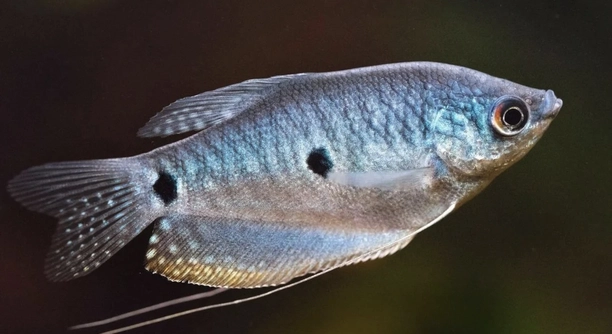
Gouramis are popular aquarium fish known for their peaceful nature and vibrant colors. They enjoy a well-structured environment that makes them feel safe and comfortable. Observing their behavior can help determine if they need more hiding spots in their tank.
Gouramis often display signs of stress or discomfort when their environment lacks sufficient hiding places. These signs include increased hiding attempts, aggression, rapid breathing, and reduced activity, indicating a need to enhance their tank with more shelters.
Recognizing these signs early helps create a more comfortable space for your gourami, improving its health and overall well-being.
Restlessness and Frequent Hiding Attempts
When your gourami feels unsafe, it often becomes restless. You may notice it swimming nervously around the tank or darting quickly between decorations. This behavior shows that the fish is searching for places to hide but might not be finding enough suitable spots. Gouramis like to retreat into calm spaces to feel secure, especially during stressful times such as changes in the tank or the presence of other fish.
If your gourami keeps trying to hide but seems unsettled, it is a clear sign it needs more shelters. Without proper hiding spots, stress levels can rise, which affects their health and behavior.
Adding plants, caves, or ornaments provides multiple hiding choices and helps reduce restlessness. Creating a varied environment supports your gourami’s natural instincts, making it feel safer and more at ease in its home.
Changes in Appetite
A sudden drop in appetite can indicate stress from a lack of hiding spots.
When gouramis feel exposed, they often eat less. Stress triggers a natural survival response, making them cautious about eating in open spaces. This hesitation can lead to poor nutrition and weaker immune systems if the environment does not improve. Providing enough hiding places reduces stress and encourages normal feeding behavior. You might notice your gourami becomes more confident, swimming freely and eating regularly once it feels secure. Ensuring they have plenty of cover helps maintain their health and vitality in the tank over time.
Aggression Towards Tank Mates
Gouramis may show aggression if they feel exposed or stressed. This behavior often increases when there aren’t enough hiding spots.
Stress from lack of shelter can cause gouramis to become territorial. Without enough places to retreat, they might chase or nip at other fish more often. This aggression can disturb the entire tank’s harmony, leading to injuries or constant stress among the fish. Adding adequate hiding spots helps reduce these conflicts by allowing gouramis to claim their own space and feel safe. Over time, this promotes a peaceful environment where all fish can coexist comfortably.
Providing natural decorations like plants, caves, or driftwood offers gouramis places to hide and reduces aggressive behaviors. It also lets shy fish avoid confrontation, balancing the tank’s social dynamic. A well-planned setup supports healthy interactions and lowers stress-related problems in your aquarium.
Rapid Breathing and Gasping
Rapid breathing or gasping at the water surface can signal stress from insufficient hiding places. This behavior shows the fish is uncomfortable and may be struggling to feel secure in its environment.
Stress increases the gourami’s oxygen demand, making it breathe faster or seek air at the surface more often. Without proper hiding spots, the fish feels vulnerable and more easily frightened by movements or other fish. This leads to constant tension and worsens its condition. Adding hiding places provides refuge, reducing stress and normalizing breathing patterns. Ensuring water quality is also important to support healthy respiration and overall well-being.
Introducing tall plants or floating covers can create shaded areas that help gouramis feel less exposed. These adjustments contribute to calmer behavior and reduce symptoms like rapid breathing caused by anxiety.
Hiding Spots Become Less Used
When gouramis stop using their usual hiding spots, it may mean those areas no longer feel safe or comfortable. They might be avoiding overcrowded or poorly placed shelters.
This behavior suggests the need to rearrange or add new hiding places. Fresh spots can help your gourami feel secure again and reduce stress by offering variety and privacy.
Increased Shyness and Withdrawal
Gouramis may become unusually shy if they don’t have enough hiding places. They often stay at the bottom or corners, avoiding interaction.
Without safe spaces, these fish feel exposed and hide less confidently. Adding more shelters encourages them to explore and regain natural behavior, improving their mood and activity levels.
Color Fading
A noticeable fading in your gourami’s colors can be linked to stress from lack of hiding spots. When they feel unsafe, their vibrant colors often dull.
This loss of color signals poor health or discomfort. Improving their environment with sufficient shelters can help restore their bright, natural appearance.
How many hiding spots does a gourami need?
The number of hiding spots your gourami needs depends on the tank size and how many fish live there. Generally, at least three to five well-distributed shelters work well in a medium-sized aquarium. This gives the gourami options to retreat and choose places where it feels most secure throughout the day. More hiding spots can reduce stress and improve social behavior, especially if there are other tank mates.
What are good materials for gourami hiding spots?
Plants, both live and artificial, provide excellent hiding spots. Dense foliage offers natural cover where gouramis feel protected. In addition, caves made from ceramic, resin, or natural wood add secure shelters. Driftwood or rocks can create interesting structures with hiding nooks. Avoid sharp or rough decorations that might injure the fish. Soft-leaved plants like Java fern or Anubias work great because gouramis like to rest among their leaves.
Can too many hiding spots cause problems?
Yes, overcrowding the tank with too many hiding places can reduce swimming space and limit social interaction. If the tank becomes cluttered, it may also affect water flow and cleanliness, leading to poorer water quality. It’s important to balance the number of hiding spots with enough open space for active swimming and normal behavior.
How often should hiding spots be cleaned or replaced?
Regular maintenance helps keep hiding spots safe and clean. Wash artificial decorations every two to four weeks with warm water—avoid soap or chemicals. Live plants should be trimmed if they become overgrown or die off. Natural materials like driftwood may need occasional cleaning to prevent algae buildup. Replace any damaged or sharp objects immediately to prevent injury.
Will hiding spots help if my gourami is aggressive?
Adding hiding spots can reduce aggression by giving fish places to escape and claim their own territory. When gouramis feel secure, they are less likely to fight or stress each other. However, aggression can also stem from overcrowding, poor water quality, or incompatible tank mates. Make sure to address those issues alongside improving tank structure.
Can gouramis use hiding spots at night?
Yes, gouramis use hiding spots during the night for resting and feeling safe. They prefer calm, sheltered places to reduce stress while they sleep. Providing dark or shaded shelters encourages natural resting behavior and supports their well-being.
What signs show my gourami is still stressed despite hiding spots?
If your gourami still displays rapid breathing, aggression, loss of appetite, or color fading despite having hiding spots, other factors may be causing stress. These can include poor water quality, wrong water temperature, or incompatible tank mates. Check water parameters and tank conditions to ensure they meet gourami needs.
Can juvenile gouramis use the same hiding spots as adults?
Juvenile gouramis may prefer smaller or more concealed hiding places since they feel more vulnerable. Adults usually need larger shelters but still benefit from varied hiding options. Providing a mix of different-sized spots helps all age groups feel secure as they grow.
Are live plants better hiding spots than artificial ones?
Live plants offer natural cover, improve water quality, and provide oxygen, making them excellent hiding spots. However, artificial plants can be easier to maintain and don’t require special care. Combining both types creates a balanced environment that offers safety and convenience.
How do I know if my gourami is using the hiding spots enough?
Observe your gourami’s behavior throughout the day. If it frequently retreats to shelters, especially when feeling threatened or resting, it’s using the hiding spots well. A healthy balance between exploring and hiding means your tank setup is comfortable for your fish. If it rarely uses the shelters, try adjusting their placement or adding more variety.
Providing enough hiding spots for your gourami is important for its well-being. These fish feel safer when they have places to retreat to, especially when they are stressed or need to rest. Without enough hiding spots, gouramis can become restless, aggressive, or lose their bright colors. Watching their behavior carefully can help you see if they need more places to hide in the tank.
Adding plants, caves, or decorations that offer shelter creates a more comfortable home for your gourami. It also helps reduce stress and keeps the fish healthier over time. Different types of hiding spots work best together, such as a mix of live plants and artificial decorations. Make sure these hiding places are spread out evenly so your gourami can choose where it wants to go. This variety allows the fish to feel secure and supports natural behavior, which makes the aquarium environment more balanced.
Regular maintenance of hiding spots is also important. Cleaning decorations and trimming plants helps keep the tank safe and pleasant for your gourami. If a hiding spot becomes damaged or overcrowded, it may stop being useful or even cause harm. By keeping the tank clean and well arranged, you help your gourami stay healthy and happy. Remember, a well-designed tank with enough hiding places benefits not only your gourami but also any other fish sharing the space.

Hello,
If you enjoy the content that we create, please consider saying a "Thank You!" by leaving a tip.
Every little bit helps us continue crafting quality advice that supports the health, happiness, and well-being of pets around the world, for pets of all shapes, sizes, and species.
We really appreciate the kindness and support that you show us!