
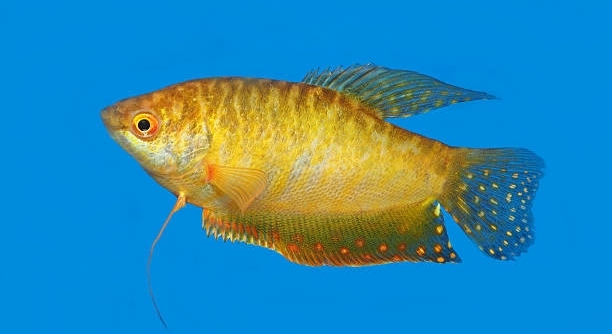
Many gourami owners notice their fish spending time near the water’s surface, which can be puzzling or concerning. This behavior might seem unusual but is quite common among gouramis and other labyrinth fish. Understanding why this happens can help keep your fish healthy.
Gouramis breathe at the surface because they use a special organ called the labyrinth to take in oxygen directly from the air. When water oxygen levels are low, they rely more on surface breathing to meet their needs. This is a natural adaptation to their environment.
Knowing what causes surface breathing can help you create a better tank environment for your gourami and prevent potential health problems. This article will explain what to watch for and how to support your fish’s well-being.
Why Gouramis Breathe at the Surface
Gouramis have a unique breathing system that lets them take oxygen directly from the air using an organ called the labyrinth. This adaptation helps them survive in water that doesn’t have much oxygen. When the oxygen levels in the tank water drop, gouramis come to the surface more often to breathe air. This behavior is normal but can also signal that the water quality might need attention. If your gourami is constantly gasping at the surface, it could mean the tank is overcrowded, the filter isn’t working well, or the water temperature is too high, reducing oxygen levels. Regular water changes and proper tank maintenance can improve the oxygen supply and reduce this behavior. Knowing how to spot the signs early helps keep your fish comfortable and healthy.
Labyrinth breathing is common in gouramis and other related fish species. It’s their natural way to survive in low-oxygen water.
Maintaining good water conditions is essential to prevent excessive surface breathing. Keep the tank clean, avoid overfeeding, and monitor temperature and oxygen levels regularly. A healthy environment helps your gourami stay active and comfortable without needing to rely heavily on air breathing.
Signs of Trouble When Gouramis Breathe at the Surface
Surface breathing becomes a concern when it is excessive or combined with other signs like lethargy, clamped fins, or loss of appetite. These signs can indicate stress or poor water conditions.
If your gourami is frequently at the surface and showing signs of distress, testing the water for ammonia, nitrite, and nitrate is important. High levels of these chemicals are toxic to fish and reduce oxygen availability. Temperature also plays a role; warm water holds less oxygen, so keeping the tank between 75-82°F helps. Aeration through air stones or adding live plants can improve oxygen levels. Sometimes, overcrowding increases waste and lowers oxygen, so ensure your tank size suits the number of fish. Addressing these issues early supports your gourami’s health and reduces stressful surface breathing.
Common Causes of Surface Breathing in Gouramis
Low oxygen levels in the water often cause gouramis to breathe at the surface more frequently. Poor filtration, overcrowding, or warm water can reduce oxygen. Another reason is stress from illness or poor water quality.
Poor water conditions make it harder for fish to get enough oxygen. Ammonia and nitrite buildup from waste can stress gouramis, pushing them to the surface. Overfeeding adds to this problem, as leftover food decays and pollutes the water. Additionally, a lack of plants or aeration lowers oxygen. Warm water holds less oxygen, so high temperatures increase surface breathing. Regular water testing and tank cleaning are key to avoiding these issues. If the tank is overcrowded, consider reducing the number of fish or upgrading to a larger tank to improve oxygen flow.
Sometimes disease or parasites cause breathing trouble. If your gourami shows other signs like discoloration, clamped fins, or lethargy, it’s time to check for illness. Treatments may be necessary to restore health and normal breathing patterns.
How to Improve Oxygen Levels in Your Tank
Increasing oxygen in the tank can reduce surface breathing and keep gouramis comfortable. Using an air stone or bubble wand adds oxygen by increasing water movement. This helps oxygen dissolve better and spreads it throughout the tank. Live plants also improve oxygen levels during the day by producing oxygen through photosynthesis. Avoid overcrowding the tank because too many fish use up oxygen quickly and create more waste. Keeping the water temperature stable and within the right range (75-82°F) helps oxygen stay dissolved. Regular partial water changes remove toxins and bring fresh oxygen. Monitoring these factors creates a healthier environment, helping your gourami rely less on surface breathing.
When to Worry About Surface Breathing
Surface breathing is normal for gouramis, but excessive gasping may signal a problem. If your fish is spending most of its time at the surface or looks stressed, it’s time to investigate tank conditions or health issues.
Sudden increases in surface breathing often mean poor water quality or illness. Regular monitoring helps catch problems early, keeping your gourami safe.
Testing Your Tank Water
Testing the water regularly is essential for your gourami’s health. Use test kits to check ammonia, nitrite, nitrate, and pH levels. Ammonia and nitrite should always be zero, while nitrates must stay low. pH should match your gourami’s needs, usually between 6.0 and 7.5. Keeping these parameters stable prevents stress and helps maintain good oxygen levels, reducing surface breathing.
Feeding Tips to Support Healthy Breathing
Overfeeding can pollute the tank and reduce oxygen. Feed small amounts once or twice daily and remove uneaten food. This keeps the water clean and supports healthy breathing habits.
Tank Size and Its Impact
A properly sized tank supports oxygen levels and reduces stress, helping gouramis breathe comfortably.
FAQ
Why is my gourami breathing rapidly at the surface?
Rapid surface breathing usually means the oxygen level in the tank is low or your fish is stressed. Warm water, overcrowding, or poor filtration can reduce oxygen, forcing your gourami to gulp air at the surface more often. It could also signal illness, so check for other symptoms like lethargy or clamped fins.
How often should I change the water to keep my gourami healthy?
Regular water changes are essential. Aim to change 20-30% of the water weekly. This helps remove waste, toxins, and keeps oxygen levels stable. Over time, leftover food and fish waste build up, which harms your gourami and increases surface breathing.
Can poor water quality cause surface breathing?
Yes. High ammonia, nitrite, or nitrate levels stress fish and lower oxygen in the water. Test your tank water often and keep harmful chemicals at zero or very low. Good filtration and frequent water changes maintain healthy conditions.
Is surface breathing normal behavior for gouramis?
Yes, gouramis naturally breathe air using their labyrinth organ. They often go to the surface to take in oxygen, especially if water oxygen is low. This is normal but should not be excessive or combined with signs of stress.
How can I improve oxygen levels in my tank?
Use an air stone or bubbler to increase water movement, which helps oxygen dissolve better. Adding live plants also improves oxygen during daylight. Avoid overcrowding and keep the temperature steady between 75-82°F. These steps reduce surface breathing caused by low oxygen.
Can temperature affect my gourami’s breathing?
Absolutely. Warm water holds less oxygen. If the tank is too warm, gouramis may breathe more at the surface. Keeping the temperature stable and within the recommended range supports better oxygen levels and fish health.
What signs show my gourami might be sick?
Look for unusual behaviors like clamped fins, lack of appetite, faded colors, or lethargy. Combined with excessive surface breathing, these signs indicate illness. Early treatment improves chances for recovery.
Should I add more aeration if my gourami is breathing at the surface?
Yes. Adding aeration devices like air stones increases oxygen availability. This often reduces the need for your gourami to breathe air at the surface excessively, helping it feel more comfortable.
Can overfeeding cause surface breathing?
Yes, overfeeding leads to leftover food that decays and pollutes the water. This lowers oxygen levels and stresses your fish, making surface breathing more frequent. Feed small amounts and remove uneaten food to keep water quality high.
Is tank size important for my gourami’s breathing?
Definitely. A small tank with too many fish reduces oxygen and raises waste, causing stress. Make sure your gourami has enough space—ideally 20 gallons or more for one or two gouramis—to maintain healthy oxygen levels.
How often should I test my tank water?
Test water weekly or whenever you notice changes in your gourami’s behavior. Regular testing helps catch problems early before they become serious.
Can live plants help with oxygen?
Yes, live plants produce oxygen during photosynthesis, improving water quality and oxygen levels. They also provide hiding spots, reducing stress and helping your gourami breathe more normally.
What if my gourami keeps gasping even after improving tank conditions?
If surface breathing continues despite good water quality and temperature, your fish might have a health issue. Consult a vet or fish specialist for diagnosis and treatment options.
How can I tell if the oxygen level is low?
Low oxygen may cause your gourami to stay near the surface, gasp frequently, or act lethargic. You might also see other fish showing similar signs. Investing in an oxygen test kit can give precise readings.
Can using a filter help reduce surface breathing?
Yes, a good filter removes waste, improves water flow, and helps oxygenate the tank. Make sure your filter is sized correctly for your tank and clean it regularly to keep it effective.
Surface breathing is a natural behavior for gouramis because of their unique breathing organ called the labyrinth. This allows them to take oxygen directly from the air when the water does not have enough oxygen. While it is normal for gouramis to go to the surface now and then, excessive surface breathing can signal that something is wrong with their tank environment or their health. Paying attention to this behavior helps you understand your fish better and act before problems get worse.
Maintaining good water quality is the most important way to keep your gourami healthy and comfortable. Regular water changes, proper filtration, and testing water parameters like ammonia, nitrite, nitrate, and pH will create a safe space for your fish. Keeping the tank at the right temperature and avoiding overcrowding also helps improve oxygen levels. Adding plants and aeration devices can support oxygen supply and reduce the need for your gourami to breathe heavily at the surface. Simple actions like these go a long way in making your fish’s home comfortable.
If your gourami keeps breathing at the surface even when tank conditions are good, it may be a sign of illness or stress. Watch for other symptoms like loss of appetite, faded colors, or unusual swimming. Early treatment can improve your fish’s health and reduce surface gasping. Overall, understanding why your gourami breathes at the surface and what you can do about it helps you provide better care and enjoy a happy, healthy pet.

Hello,
If you enjoy the content that we create, please consider saying a "Thank You!" by leaving a tip.
Every little bit helps us continue crafting quality advice that supports the health, happiness, and well-being of pets around the world, for pets of all shapes, sizes, and species.
We really appreciate the kindness and support that you show us!