
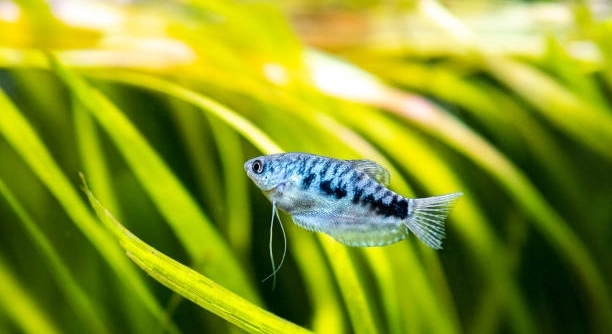
Gouramis are small freshwater fish known for their sensitivity to changes in their environment. They rely on various senses to detect shifts in water conditions, helping them survive and thrive in their habitats. These subtle changes can signal threats or opportunities around them.
Gouramis detect subtle water shifts primarily through specialized sensory organs called the lateral line system. This system senses vibrations and pressure changes in the water, allowing the fish to respond quickly to movement, predators, or changes in water flow and quality.
Understanding how gouramis perceive their surroundings reveals much about their behavior and survival. This knowledge can enhance aquarium care and contribute to aquatic research focused on fish sensory mechanisms.
The Lateral Line System in Gouramis
The lateral line system is a network of sensory cells that runs along the sides of gouramis. These cells detect changes in water pressure and vibrations caused by nearby movements. This ability helps gouramis sense predators, prey, and even other fish swimming close by. It works much like a sense of touch but through water, providing important information without relying on sight or smell alone. The system is sensitive enough to pick up very small shifts in the water, which allows gouramis to react quickly to their surroundings. This quick response is important for avoiding danger and finding food. The lateral line system also aids in navigation through murky or crowded waters where visibility is low. It helps gouramis maintain balance and swim efficiently, which is critical for their survival in the wild or in an aquarium.
This sensory system is essential for the fish’s daily activities and overall safety. It is a key reason gouramis can thrive in various environments.
The lateral line system’s complexity reveals much about fish adaptation. It plays a crucial role in how gouramis interact with their environment, highlighting the evolutionary importance of sensing subtle water changes.
How Gouramis Use Their Senses Beyond the Lateral Line
Gouramis also use other senses like their sense of smell and vision to interpret their environment.
Beyond the lateral line, gouramis rely on their eyesight to detect shapes and movements, helping them locate food or spot threats. Their sense of smell helps identify chemical changes in the water, such as the presence of food or other fish. These combined senses create a full picture of the environment, allowing gouramis to make quick and accurate decisions. For example, when water quality changes or toxins appear, their smell receptors alert them to avoid harmful areas. Vision helps them swim toward food or mates, while the lateral line provides constant updates about nearby movement and water flow. This combination of senses ensures that gouramis stay aware of their surroundings, increasing their chances of survival. Their ability to integrate multiple sensory inputs shows how well-adapted they are to complex aquatic environments.
Understanding these senses together gives insight into the delicate balance gouramis maintain with their habitat, emphasizing the importance of careful aquarium management and environmental protection.
Detecting Water Currents and Vibrations
Gouramis use their lateral line to sense water currents and vibrations, which helps them detect movement nearby. This is especially useful in low-visibility conditions.
The lateral line contains tiny hair cells that respond to pressure changes in the water. When a predator or prey moves, it creates vibrations that travel through water. These hair cells pick up the signals and send them to the brain, allowing gouramis to react quickly. This sensory ability helps gouramis find food and avoid danger without relying solely on sight.
This system also helps gouramis maintain their position in flowing water. By sensing currents, they can swim efficiently without being swept away, which is essential for energy conservation and survival in natural habitats.
Environmental Changes and Behavior
Gouramis change their behavior when water conditions shift, using their senses to adapt quickly.
When the water temperature, pH, or oxygen levels change, gouramis become more alert and may swim to safer areas. They can detect chemical signals that indicate pollution or the presence of other fish. This sensory input triggers behavioral responses such as hiding, increased movement, or reduced activity. These changes help gouramis protect themselves from harmful conditions. In an aquarium setting, these behaviors can signal that water quality needs attention. Observing gouramis closely can provide early warnings of environmental stress, allowing for timely adjustments to their habitat. Their sensitivity to subtle water changes is an important factor in their health and well-being.
Sensory Adaptations in Different Gourami Species
Different gourami species have variations in their sensory systems. These adaptations help them thrive in specific environments.
Some species have more sensitive lateral lines or enhanced vision. These traits depend on the type of water they live in, such as clear streams or murky ponds.
Impact of Water Quality on Sensory Function
Poor water quality can impair gouramis’ ability to detect subtle changes. Pollutants and toxins may damage their sensory organs, reducing their response time to threats or food sources. Maintaining clean, stable water conditions is crucial to preserving their sensory health and overall well-being.
Role of the Labyrinth Organ
Gouramis possess a labyrinth organ that allows them to breathe air. This organ works alongside their sensory systems to help them survive in low-oxygen environments.
Practical Tips for Aquarium Care
Regular monitoring of water quality and environment helps keep gouramis healthy. Proper filtration and gentle water flow support their sensory functions.
How do gouramis sense changes in water movement?
Gouramis sense water movement mainly through their lateral line system, a series of sensory cells along their body. These cells detect vibrations and pressure changes caused by nearby movement. This allows them to feel when something moves close, even if they cannot see it, helping them avoid danger or find food.
Why is the lateral line system important for gouramis?
The lateral line system is vital because it acts as a primary sensory tool beyond sight and smell. It helps gouramis navigate their environment, detect predators, and communicate with other fish. Without it, gouramis would be less aware of their surroundings, making survival more difficult.
What role does the labyrinth organ play in sensory detection?
While the labyrinth organ mainly helps gouramis breathe air, it also supports their survival in water with low oxygen. This organ allows gouramis to spend more time near the surface, where water movement and chemical changes are often easier to detect, indirectly aiding their sensory awareness.
Can water quality affect how gouramis detect subtle water shifts?
Yes, poor water quality can harm the sensory organs of gouramis, including the lateral line system. Pollutants, chemicals, and sudden changes in pH or temperature can dull their senses. Maintaining clean, stable water ensures gouramis can detect shifts accurately and respond promptly to changes.
How do gouramis react to changes in water conditions?
When water conditions change, gouramis often alter their behavior. They may become more active or seek shelter to avoid stress. These reactions are triggered by their sensory systems detecting shifts in temperature, oxygen levels, or chemicals in the water, signaling potential danger or discomfort.
Are some gourami species better at detecting water shifts than others?
Yes, different gourami species have evolved sensory adaptations to suit their habitats. For example, gouramis living in murky waters may have more sensitive lateral line systems, while those in clearer water rely more on vision. These adaptations allow each species to effectively monitor their environment.
How can aquarium owners help gouramis maintain their sensory health?
Keeping water clean and stable is key. Using proper filtration, avoiding sudden changes in temperature or pH, and providing gentle water flow helps preserve gouramis’ sensory organs. Observing their behavior for signs of stress can indicate when water quality needs adjustment.
What signs show that gouramis are sensing something unusual in their environment?
Gouramis may swim erratically, hide more often, or increase their movement when sensing unusual water shifts. These behaviors suggest they detect changes through their lateral line or smell, possibly alerting them to threats, poor water quality, or unfamiliar stimuli.
Do gouramis rely more on their lateral line or vision?
Both senses are important, but the lateral line plays a bigger role in detecting subtle water movements and vibrations. Vision helps in identifying shapes and colors but can be limited in murky water. The lateral line provides constant updates, especially in low visibility conditions.
Can stress affect how gouramis use their senses?
Stress can dull the effectiveness of gouramis’ sensory systems. Factors like poor water quality, overcrowding, or aggressive tank mates increase stress, making gouramis less responsive to subtle water shifts. Reducing stress through proper care improves their ability to detect environmental changes.
How quickly do gouramis respond to water shifts?
Gouramis respond almost immediately to changes detected by their lateral line system. This rapid response is critical for avoiding predators and catching prey. Their nervous system quickly processes signals from sensory organs, triggering swift movements or defensive actions.
Is the lateral line system unique to gouramis?
No, many fish species have a lateral line system. However, the sensitivity and structure can vary. Gouramis have a well-developed lateral line, finely tuned to detect subtle water changes, which supports their survival in diverse aquatic environments.
How do temperature changes affect gouramis’ sensory detection?
Temperature changes can affect the function of sensory cells in gouramis. Sudden drops or rises can slow down their metabolism and sensory responses. Stable temperatures allow their sensory organs to work optimally, enabling accurate detection of water shifts.
Can gouramis detect chemical changes in water?
Yes, gouramis have olfactory senses that detect chemical changes. This sense alerts them to food, danger, or changes in water composition. Combining chemical detection with the lateral line and vision gives gouramis a comprehensive way to understand their environment.
What happens if gouramis cannot detect subtle water shifts?
If gouramis lose the ability to detect water shifts, they become vulnerable to predators, poor water conditions, and difficulty finding food. This loss can lead to stress, illness, and lower survival rates. Protecting their sensory health is essential for their well-being.
Gouramis have a remarkable ability to detect subtle changes in their aquatic environment. Their sensory systems, especially the lateral line and labyrinth organ, work together to help them sense water currents, vibrations, and chemical shifts. These abilities allow gouramis to respond quickly to threats and changes in water quality. This sensory awareness is essential for their survival in both natural habitats and aquarium settings. Understanding how these fish perceive their environment can improve how they are cared for and appreciated.
Maintaining clean, stable water conditions is critical for supporting gouramis’ sensory health. Changes in temperature, pH, and oxygen levels can affect how well they detect shifts in their surroundings. Poor water quality can damage the sensory organs that gouramis rely on, making it harder for them to respond to their environment. Proper filtration, regular water changes, and monitoring water parameters help preserve their ability to sense subtle water movements. These steps contribute to the overall health and comfort of gouramis, reducing stress and promoting natural behaviors.
Gouramis’ ability to detect water shifts highlights the complexity of their biology. Their sensory systems show how fish have adapted to survive in diverse and sometimes challenging environments. For those who keep gouramis in aquariums, recognizing the importance of these senses encourages better care and attention to their needs. This knowledge not only improves the health of the fish but also enriches the experience of observing them. Appreciating these subtle aspects of gouramis’ lives offers a deeper connection to their behavior and well-being.

Hello,
If you enjoy the content that we create, please consider saying a "Thank You!" by leaving a tip.
Every little bit helps us continue crafting quality advice that supports the health, happiness, and well-being of pets around the world, for pets of all shapes, sizes, and species.
We really appreciate the kindness and support that you show us!