
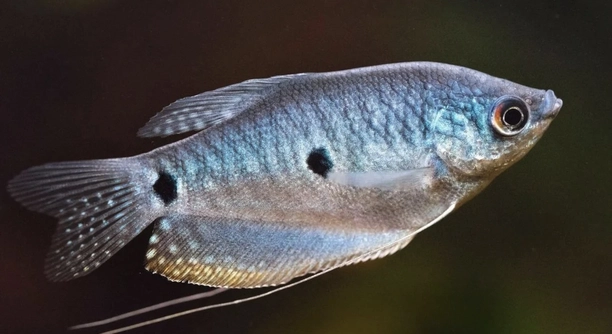
Gouramis are popular freshwater fish known for their peaceful nature and vibrant colors. Many aquarium owners wonder about their ability to adapt to feeding schedules. Understanding how gouramis respond to routine feeding can improve their care.
Gouramis can learn to recognize tank feeding routines through consistent timing and cues. Their behavior adapts gradually when meals are offered regularly, showing anticipation and increased activity before feeding times. This conditioning helps maintain their health and reduces stress.
Exploring how gouramis adjust to feeding routines can help hobbyists create a better environment for these charming fish. This knowledge supports healthier and more interactive aquarium experiences.
How Gouramis Learn Feeding Routines
Gouramis have the ability to learn when food is coming by associating certain cues with feeding time. For example, they may recognize the sound of a container opening or the movement of their owner approaching the tank. Over several days, they start showing signs like swimming eagerly near the surface or gathering around the feeding spot. This behavior indicates they have linked these signals to mealtime. The learning happens through repetition and consistency. Feeding gouramis at the same time daily helps reinforce this routine. It also reduces their stress, as they begin to expect food regularly. Sudden changes in feeding times may confuse them or cause anxiety, so sticking to a schedule is best. Although gouramis are not as responsive as some pets, they still show clear signs of routine awareness. Watching them anticipate feeding can make caring for them more rewarding.
Routine feeding encourages healthier fish and a calmer tank environment.
Recognizing their learning patterns helps owners better meet gouramis’ needs and create a smooth daily care routine.
Signs of Routine Recognition in Gouramis
Gouramis show clear behavior when they know feeding is near.
They swim actively near the surface and often focus their attention on where food usually appears.
When a feeding routine is well established, gouramis start coming to the front of the tank as the expected feeding time approaches. This response indicates they have learned to anticipate their meals. Over time, they might even recognize the person who feeds them and react to their presence. Such behavior is a form of conditioned response, similar to other animals recognizing patterns linked to food. It shows that gouramis can adjust their activity based on past experiences. This adaptation helps them conserve energy by being more alert when food is likely available and less active otherwise. For aquarium owners, these signs are useful cues to confirm that their fish are comfortable and well-adjusted to their feeding schedule. Consistent care routines improve not just feeding but also the overall well-being of gouramis in captivity.
Tips to Help Gouramis Learn Feeding Times
Consistency is key when training gouramis to follow feeding routines. Feed them at the same time each day to build their internal clock. Use the same feeding spot to create a clear association with food.
Starting with small amounts helps gouramis focus and avoid overeating. Repetition helps their learning. Patience is important because they may take several days to adjust. Avoid sudden changes in timing or type of food, as this can confuse them and slow progress. Watching their reactions closely allows you to fine-tune the feeding routine. Positive reinforcement, like gentle tapping near the feeding area, can help draw their attention. Over time, this steady routine will help your gouramis feel more secure and responsive at feeding times.
Regular, predictable feeding encourages calmer behavior and stronger bonds between you and your fish.
Challenges in Feeding Routine Training
Gouramis may not always respond quickly to feeding routines due to distractions or stress in their environment. Noise, tank mates, or water quality can affect their focus. If they seem uninterested, it’s often linked to these external factors rather than the feeding schedule itself.
Changes in the tank setup or water temperature may also delay their adaptation. In some cases, certain gouramis are more independent and less motivated by routine. It’s helpful to minimize disruptions and maintain stable conditions. Offering a variety of food types can keep their interest high. Monitoring their health is crucial since illness can reduce appetite and interfere with routine learning. Recognizing these challenges early helps maintain a smooth feeding process, making sure gouramis stay healthy and engaged. Patience and observation are essential to overcoming setbacks in routine training.
Best Feeding Times for Gouramis
Feeding gouramis once or twice a day works best to maintain their health. Early morning and early evening are ideal times.
Regular feeding at these times helps gouramis develop a natural routine and reduces the chance of overeating or stress.
Types of Food That Encourage Routine Learning
Gouramis respond well to a mix of flakes, pellets, and live or frozen foods. Variety keeps them interested and motivated to recognize feeding times. Consistent food types during training help them associate specific cues with mealtime more easily.
Avoiding Overfeeding Gouramis
Overfeeding can lead to health issues and water quality problems. Feed only what gouramis can eat within a few minutes to keep the tank clean and fish healthy.
Using Feeding Tools for Routine Training
Using tools like feeding rings or automatic feeders can help maintain a consistent feeding schedule and reinforce routines in gouramis.
FAQ
Can gouramis recognize their owner during feeding?
Yes, gouramis can learn to recognize the person who feeds them. They often respond to familiar movements or sounds linked to feeding time. This recognition happens gradually as they associate the owner with food, showing excitement or swimming towards them when it’s time to eat.
How long does it take for gouramis to learn a feeding routine?
Gouramis usually start showing signs of recognizing feeding routines within a week of consistent feeding times. However, full adaptation can take longer depending on the fish’s personality and environment. Patience and consistency are important to help them learn effectively.
What happens if I feed my gouramis at irregular times?
Feeding at irregular times can confuse gouramis and increase stress. Without a clear routine, they may become anxious or overly aggressive during feeding. It also affects their metabolism and overall health. Keeping a consistent schedule supports their well-being.
Is it okay to skip a feeding if I’m busy?
Occasionally skipping a feeding won’t harm gouramis, but it shouldn’t become a habit. These fish thrive on regular meals. If you miss a feeding, try to return to the routine as soon as possible to avoid disrupting their learned behavior.
Can gouramis be trained to eat on command?
While not as responsive as some pets, gouramis can learn simple signals like tapping on the tank or moving your hand near the feeding spot. Over time, these cues can trigger anticipation of food, helping train them to eat when you want.
What type of food is best for routine feeding?
A balanced diet of flakes or pellets combined with live or frozen foods works well. Using the same food during training helps gouramis associate it with feeding times. Variety keeps them interested but avoid sudden changes that might confuse them.
How much should I feed my gouramis each time?
Feed only as much as your gouramis can eat in about two to three minutes. Overfeeding can cause health issues and dirty the tank. Small, frequent meals are better than one large feeding, especially when establishing routines.
Do gouramis need feeding at night?
No, gouramis do not need to be fed at night. They are more active during the day, so feeding once or twice during daylight hours is sufficient. Feeding at night can lead to uneaten food and poor water quality.
What signs show that gouramis have learned their feeding routine?
Look for increased activity near feeding times, such as swimming to the surface or gathering around the feeding area. They may also react to feeding cues, like the sound of a food container or your approach to the tank.
Can stress affect a gourami’s feeding habits?
Yes, stress from poor water quality, aggressive tank mates, or sudden changes can reduce appetite and disrupt feeding routines. Maintaining a calm, stable environment is crucial for encouraging regular feeding behavior.
Is it necessary to change feeding times occasionally?
It’s best to keep feeding times consistent. Changing the schedule often can confuse gouramis and delay their learning. If a change is needed, adjust gradually and monitor their behavior to help them adapt.
Can automatic feeders help train gouramis?
Automatic feeders provide consistent feeding times, which can reinforce routines. However, they don’t replace the interaction gouramis have with their owner, which also helps them learn feeding cues.
What if my gouramis don’t respond to feeding routines?
Some gouramis may be less responsive due to personality or health issues. Check water conditions and diet first. If everything is fine, continue with patience and consistent routines. Most gouramis will eventually adjust.
How does feeding routine impact gourami health?
Regular feeding schedules support digestion and metabolism, helping prevent obesity and nutritional problems. Consistent routines reduce stress and encourage natural behaviors, leading to healthier, happier fish.
Are there any foods to avoid when feeding gouramis regularly?
Avoid overfeeding high-fat foods or items that can pollute the tank quickly. Stick to quality flakes, pellets, and occasional live or frozen foods. Avoid feeding human food or anything that could harm their digestive system.
Gouramis are quite capable of learning feeding routines when given consistent care and attention. Feeding them at the same times each day helps build a reliable schedule that they can recognize. Over time, gouramis start to show signs of anticipation, like swimming near the surface or coming to the front of the tank. This behavior means they have learned to expect food at certain times. Keeping a steady feeding routine not only helps the fish feel secure but also makes caring for them easier. When the fish know what to expect, they tend to be less stressed and more active. This predictability can improve their overall health and wellbeing.
It is important to remember that patience plays a big role in helping gouramis adapt to feeding routines. Not all fish learn at the same speed, and some may need more time to adjust than others. Also, environmental factors such as water quality, tank mates, and noise levels can affect how well they respond to feeding cues. Avoid sudden changes in feeding times or the type of food, as this can confuse the fish and delay learning. Offering a balanced diet and feeding only what the fish can eat within a few minutes prevents overfeeding and keeps the tank clean. Using small, regular feedings and consistent signals like tapping on the tank can further reinforce the routine.
In the end, a consistent feeding schedule benefits both gouramis and their owners. It helps create a calm and healthy environment for the fish while making daily care more manageable. Watching gouramis recognize and respond to feeding routines can be a rewarding experience that deepens the connection between owner and pet. With steady care and attention, gouramis can thrive and enjoy a stable life in the aquarium. By understanding their needs and supporting their learning process, you can ensure your gouramis stay happy and healthy.

Hello,
If you enjoy the content that we create, please consider saying a "Thank You!" by leaving a tip.
Every little bit helps us continue crafting quality advice that supports the health, happiness, and well-being of pets around the world, for pets of all shapes, sizes, and species.
We really appreciate the kindness and support that you show us!