
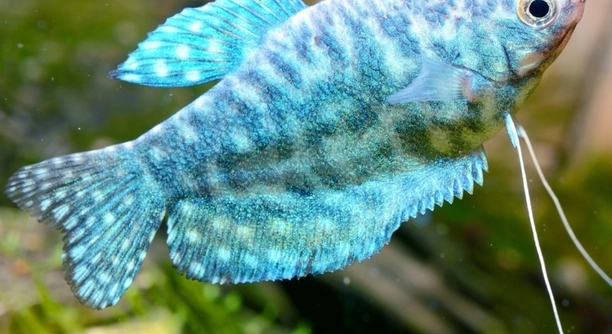
Gouramis are popular aquarium fish known for their vibrant colors and peaceful nature. Keeping them in groups can enhance their social behavior and overall tank dynamics. However, grouping gouramis requires careful attention to avoid common mistakes.
The most frequent missteps in gourami grouping include overcrowding, mixing incompatible species, neglecting territorial behavior, improper tank size, insufficient hiding spots, ignoring water quality needs, and failing to monitor aggression. Addressing these factors is essential for maintaining a healthy gourami community.
Understanding these common errors can improve your approach to grouping gouramis. Proper care ensures a balanced, thriving environment for these fascinating fish.
Overcrowding Issues
Overcrowding is one of the most common problems when grouping gouramis. Many aquarists underestimate the space these fish need. When too many gouramis are placed in a tank, stress levels rise quickly. This can lead to weakened immune systems and increased aggression. Each gourami species has specific space requirements, and ignoring this leads to poor water quality and territorial disputes. Providing adequate room helps fish swim freely and reduces stress, contributing to healthier and more active gouramis. Overcrowding also makes it difficult to maintain water parameters, as more fish produce more waste. It is important to research the adult size of your gouramis and calculate the tank size accordingly. A general rule is one gallon per inch of fish, but gouramis often need more space due to their activity and territorial behavior. Proper stocking prevents many problems and promotes a peaceful environment.
Overcrowding can cause aggression and health issues among gouramis, making it crucial to provide enough space in the tank.
A spacious aquarium supports natural behavior, including swimming and hiding. Gouramis feel less threatened when they have territories that do not overlap too much. This reduces fights and stress, helping them live longer and more comfortably. Proper filtration and regular water changes become easier with fewer fish, maintaining water quality at optimal levels. In contrast, overcrowded tanks require more maintenance and monitoring to keep fish healthy. Understanding the space requirements and respecting each gourami’s needs can prevent overcrowding problems before they start.
Mixing Incompatible Species
Mixing incompatible gourami species often leads to problems in a community tank. Different species have varying temperaments and territorial needs. Some gouramis are more aggressive and dominant, while others are shy and passive. Placing aggressive species with passive ones can cause constant bullying and stress. Additionally, some gouramis grow larger and may intimidate smaller species. It is essential to know the behavior of each species before combining them. Proper research helps avoid conflicts and promotes harmony among tank mates.
Choosing species with similar temperaments and size reduces aggression and improves group dynamics.
Some gouramis tolerate each other better when they share similar social habits. For example, dwarf gouramis tend to be peaceful and do well with other non-aggressive fish. In contrast, larger species like the kissing gourami can be more territorial and need more space. Mixing species without considering their social behavior may result in fights or injury. Providing enough hiding spots and visual barriers can ease tensions but does not solve fundamental compatibility issues. Careful selection and observation are necessary to maintain a balanced tank where gouramis coexist peacefully.
Neglecting Territorial Behavior
Gouramis are naturally territorial, especially males. Ignoring this leads to stress and fights. Male gouramis often defend specific areas, and crowding these spaces causes aggression. Recognizing their need for personal space is important in grouping.
Territorial disputes arise when gouramis lack clear boundaries. Males can become aggressive toward each other, showing flared fins or chasing behavior. Without enough room or visual barriers, these conflicts escalate quickly. Providing plants, decorations, and hiding spots helps define territories and reduce tension. Tank layout plays a major role in managing this behavior. If ignored, constant fighting weakens fish and can result in injuries or death.
Careful planning of tank space and decor helps gouramis establish and respect territories. Observing their behavior regularly allows for adjustments if aggression increases. This proactive approach supports a peaceful environment where gouramis coexist without unnecessary stress.
Improper Tank Size
Many issues in gourami grouping come from tanks that are too small. A cramped tank limits swimming space and increases aggression. Gouramis need room to establish territories and move freely. Small tanks also make maintaining water quality harder.
When the tank is too small, waste builds up quickly, leading to poor water conditions. This weakens the immune system of fish, making them more prone to disease. Limited space also increases stress, which can change behavior, causing some gouramis to become more aggressive or withdrawn. A proper tank size reduces these risks and promotes healthier fish.
Choosing the right tank size depends on the species and number of gouramis. Larger tanks with ample hiding places and open swimming areas help reduce conflicts. Giving gouramis enough space supports their natural behaviors and helps maintain a stable environment for all inhabitants. This investment improves long-term success in keeping gouramis together.
Insufficient Hiding Spots
Gouramis need places to retreat when stressed or threatened. Without enough hiding spots, fish become anxious and aggressive. Plants, caves, and decorations create safe areas that reduce tension in the tank.
Lack of hiding places often leads to constant chasing and fights. Providing adequate cover helps gouramis feel secure and less likely to compete over space or dominance.
Ignoring Water Quality Needs
Water quality directly affects gouramis’ health and behavior. Poor water conditions weaken immune systems, making fish more vulnerable to disease and stress. Regular water testing and maintenance are necessary to keep parameters stable.
Filtration systems should be appropriate for tank size and stocking levels. Frequent water changes help remove toxins and keep ammonia, nitrite, and nitrate levels low. Gouramis thrive in clean, well-oxygenated water with stable temperature and pH. Neglecting these needs leads to frequent illness and increased aggression. Consistent care supports a balanced environment for all fish.
Failing to Monitor Aggression
Aggression in gouramis can escalate quickly if left unchecked. Observing fish behavior regularly helps detect early signs of stress or fights. Prompt action is essential to prevent injury or death.
FAQ
How many gouramis can I keep together in one tank?
The number of gouramis you can keep depends on the tank size and species. A general guideline is one gallon of water per inch of fish, but gouramis often need more space due to territorial behavior. For example, a 20-gallon tank can comfortably house two to three medium-sized gouramis with proper hiding spots. Overcrowding can increase stress and aggression, so it’s better to keep fewer fish with enough room to swim and establish territories. Always research the adult size and temperament of the gourami species you plan to keep.
What tank size is ideal for gourami groups?
Tank size should be based on the number and type of gouramis. Smaller species like dwarf gouramis can live comfortably in tanks starting at 20 gallons. Larger species such as kissing gouramis require at least 50 gallons or more. Bigger tanks reduce territorial disputes and allow fish to swim freely. Proper filtration and maintenance are easier with adequate tank size, helping maintain water quality and reduce stress. Providing plenty of plants and decor in a spacious tank encourages natural behavior.
Why do gouramis fight even if they seem peaceful?
Gouramis may appear peaceful but can become aggressive due to territorial instincts, overcrowding, or incompatible tank mates. Male gouramis especially defend their space, leading to chasing and fin-flaring. Stress from poor water conditions or lack of hiding places can also increase aggression. To prevent fighting, provide enough room, visual barriers, and compatible species. Monitoring behavior closely helps catch conflicts early so adjustments can be made.
How can I reduce aggression in a gourami group?
Aggression can be lowered by giving gouramis ample space and hiding spots. Adding plants, caves, and decorations creates territories and helps fish avoid one another. Choosing species with similar temperaments reduces fights. Avoid overcrowding and maintain stable water conditions. If aggression persists, separating aggressive individuals or increasing tank size may be necessary. Regular observation allows quick response to behavioral changes.
What water conditions do gouramis prefer?
Gouramis thrive in water with temperatures between 75°F and 82°F (24°C–28°C), a pH range of 6.0 to 7.5, and soft to moderately hard water. Stable conditions prevent stress and illness. Frequent testing for ammonia, nitrite, and nitrate ensures a healthy environment. Clean water with low toxin levels supports immune function and reduces aggression caused by discomfort.
Can different gourami species live together?
Some gourami species can coexist if their temperaments and sizes are compatible. Peaceful species like dwarf gouramis do well with other calm fish, while larger, more aggressive species may require separate tanks. Avoid mixing very territorial or aggressive gouramis with smaller or shy fish. Proper tank size, hiding places, and monitoring are essential to maintain harmony.
What signs indicate stress or illness in gouramis?
Signs of stress or illness include lethargy, loss of appetite, faded colors, clamped fins, and abnormal swimming. Aggression or hiding more than usual may also indicate problems. Poor water quality or overcrowding often causes these symptoms. Early detection allows for treatment and adjustments to improve conditions, preventing serious health issues.
How often should I perform water changes for gourami tanks?
Weekly water changes of 20-30% are recommended to maintain water quality. This helps remove waste and toxins while replenishing minerals. The frequency may vary based on tank size, stocking levels, and filtration efficiency. Regular water changes reduce stress and promote a healthier environment for gouramis.
Do gouramis need special diets in groups?
Gouramis require a varied diet including flakes, pellets, frozen, and live foods. Feeding should be sufficient to prevent competition but not excessive to avoid water pollution. In groups, monitor feeding to ensure all fish get enough food. Some gouramis can be shy eaters and may need targeted feeding or slower-moving foods.
What should I do if two gouramis keep fighting?
If fighting continues, try rearranging tank decorations to break established territories. Increase hiding places to reduce line-of-sight confrontations. Consider separating the aggressive fish temporarily or permanently. Check water parameters for stress factors. Sometimes adding more tank mates to disperse aggression works, but only if the tank is large enough. Careful observation and adjustments help resolve conflicts without harm.
Final Thoughts
Grouping gouramis can be rewarding, but it requires careful attention to their natural behaviors and needs. Understanding that gouramis are territorial fish helps in creating a suitable environment where they can live peacefully. Providing enough space and clear boundaries reduces conflicts and stress. Tank size and layout are important factors, and adding plants or decorations gives gouramis places to hide and claim as their own. These simple steps support a healthier, calmer aquarium where gouramis can thrive.
Water quality is another key element in successful gourami care. Clean, stable water prevents many health problems and reduces aggression caused by discomfort. Regular testing and water changes maintain a balanced environment that supports fish wellbeing. Overcrowding and poor water conditions often cause stress and fights, so keeping the tank well-maintained helps avoid these issues. Feeding gouramis a varied diet and ensuring all fish get enough food also contributes to their overall health and reduces competition.
It is important to monitor gouramis regularly for signs of aggression or illness. Early detection allows for quick adjustments, such as rearranging tank decor or separating aggressive individuals if needed. Each gourami’s personality and tolerance vary, so being observant helps in managing the group effectively. With thoughtful care and attention to their specific needs, gouramis can coexist in groups without major problems. This leads to a more enjoyable and peaceful aquarium experience over time.

Hello,
If you enjoy the content that we create, please consider saying a "Thank You!" by leaving a tip.
Every little bit helps us continue crafting quality advice that supports the health, happiness, and well-being of pets around the world, for pets of all shapes, sizes, and species.
We really appreciate the kindness and support that you show us!