
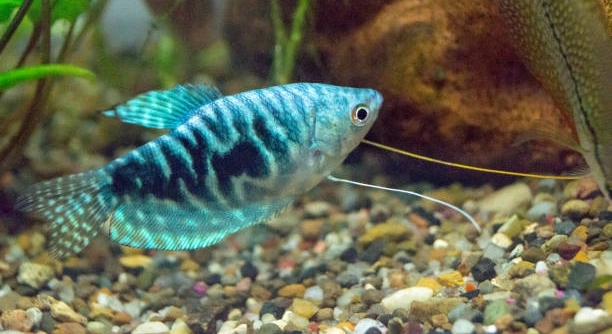
Gouramis are colorful and peaceful fish that often live in groups. Watching their behavior can reveal how they interact with each other. Understanding their subtle signs of dominance helps keep harmony in their community.
In gourami groups, dominance is shown through small behaviors like fin displays, body posture, color changes, and controlled aggression. These clues indicate hierarchy and help maintain social order without constant fighting or stress.
Recognizing these subtle signs improves how you care for your gouramis and supports a peaceful tank environment.
Fin Displays as a Sign of Dominance
Gouramis use their fins to communicate with others in their group. When one fish spreads its fins wide, it shows confidence and control. This display is often seen when two gouramis face each other. The dominant fish will flare its fins to appear larger and more intimidating. This behavior helps avoid physical fights by establishing who is in charge. Subtle differences, like how high or wide the fins are spread, tell a lot about the social ranking. Even small flicks or shakes of the fins can send clear messages to other gouramis. Observing these movements can help aquarists understand the social structure within their tanks. It is important to give gouramis enough space so these displays don’t turn into aggressive encounters. When dominant fish feel secure in their role, the whole group tends to be calmer and more balanced.
Fin displays often last just a few seconds but have a strong impact on group dynamics.
Learning to spot these signals helps maintain peace and prevents stress among your gouramis, improving their overall well-being.
Color Changes Indicating Rank
Color shifts are subtle but important clues in gourami groups. Dominant fish often show brighter or more intense colors. These changes can happen in the face, fins, or body. When a fish feels challenged, its colors may fade, signaling submission. Color can also change depending on mood or health, but in groups, it usually reflects social status. Aquarists should watch for these shifts to identify which fish holds the upper hand. Understanding color signals helps prevent conflicts before they escalate. For example, if one fish suddenly darkens, it may be nervous or stressed by a more dominant neighbor. Providing hiding spots and enough room lets less dominant fish retreat and reduce tension. Monitoring color changes regularly offers insight into the group’s balance and harmony, supporting better care and environment adjustments.
Body Posture and Positioning
Body posture reveals a lot about dominance in gouramis. A dominant fish holds itself upright and moves confidently. Submissive fish often appear smaller, with lowered fins and a curved body.
Dominant gouramis use their posture to control space. They swim in the center or near favored areas like food spots or hiding places. Submissive fish stay on the edges or lower parts of the tank to avoid conflict. Positioning also shows rank during feeding times. Dominant fish eat first and block others from food. This behavior helps keep the social order clear without fights.
Watching how gouramis position themselves around the tank can reveal ongoing power struggles or stable hierarchies. Adjusting tank layout can help reduce tension by giving lower-ranked fish safe zones away from the dominant ones.
Controlled Aggression
Aggression in gouramis is usually brief and controlled. Dominant fish may chase or nip others but rarely cause serious harm. These actions serve to remind others of their status.
This controlled aggression helps maintain peace over time. When dominant gouramis show their power with small acts, it discourages weaker fish from challenging them. Usually, once the message is clear, the chasing stops, and normal behavior resumes. Excessive or continuous aggression can be a sign of stress or overcrowding and should be addressed quickly.
Allowing space and hiding spots reduces aggressive encounters. Watching how often these behaviors occur gives clues about the group’s balance and the tank environment’s suitability. Controlled aggression keeps the social order clear without endangering the fish.
Eye Contact and Staring
Gouramis use eye contact to show dominance. A dominant fish will often stare directly at a rival to assert control. This behavior can last for several seconds and is usually followed by fin displays or body posture changes.
Submissive fish tend to avoid direct eye contact. They look away or swim off to show they are not a threat. This subtle cue helps keep peace without physical fights.
Tail Flicks and Quick Movements
Tail flicks are quick, sharp movements often used by dominant gouramis to get attention or warn others. These flicks can signal irritation or challenge without escalating into aggression.
Watching for these small signals helps understand the social mood of the group and prevent conflicts.
Feeding Order and Access
Dominant gouramis often eat first and may block others during feeding times. This behavior reinforces their position in the group and controls access to resources. Recognizing feeding order can give clues about hierarchy.
Adjusting feeding routines can reduce stress and competition.
How can I tell if my gourami is dominant or just stressed?
Dominant gouramis usually show confident body language, such as upright posture, flared fins, and bright colors. They maintain eye contact and control key areas of the tank. Stressed fish often appear pale, hide frequently, or have clamped fins. Stress is accompanied by erratic swimming or loss of appetite, unlike dominance behaviors, which are intentional and consistent displays to show rank.
What should I do if one gourami is too aggressive?
If a gourami shows constant aggression, first check your tank conditions. Overcrowding, poor water quality, or lack of hiding spots can increase aggression. Adding plants or decorations helps create safe spaces. Sometimes, rearranging the tank can disrupt established territories and reduce fights. If aggression continues, separating the dominant fish or increasing tank size may be necessary.
Do all gouramis show dominance in the same way?
No, different species of gouramis have unique behaviors, but many use similar signals like fin displays and color changes. Some gouramis are more peaceful and less likely to show aggression, while others are naturally territorial. Learning about your specific gourami species will help you recognize their particular dominance clues more accurately.
Can dominance behavior affect gourami health?
Yes, constant stress from dominance fights can weaken immune systems and lead to illness. Submissive fish that can’t find refuge may suffer more injuries or stop eating properly. Keeping the social structure stable and providing enough space and hiding places reduces stress, promoting healthier gouramis.
Is it normal for gouramis to chase each other?
Short chases are normal dominance behaviors. These usually end quickly once the message is sent. However, long or repeated chasing can cause injury and stress. If chasing becomes frequent, it may indicate a need for tank adjustments, like more space or separating aggressive fish.
How can I encourage peaceful coexistence in gourami groups?
Maintain a well-planted tank with plenty of hiding spots. Provide enough space for all fish to establish territories without overlap. Feed regularly and evenly to reduce competition. Observing your gouramis closely will help you spot early signs of tension, allowing you to act before problems worsen.
Do dominant gouramis always win fights?
Dominance is mostly about displays and social signals, not constant fighting. Once a fish establishes dominance, others usually avoid direct conflict. Physical fights are rare because they risk injury. If a dominant fish is challenged, it may reassert control through displays rather than actual combat.
How many gouramis should I keep together to minimize dominance issues?
Keeping a balanced group size is important. Too few gouramis may lead to intense rivalry over dominance. Too many can cause overcrowding and stress. Generally, groups of five to seven gouramis work well, but this depends on tank size and species. Providing a proper environment reduces tension.
What role does tank size play in gourami dominance?
Larger tanks allow more space for territories and hiding spots, which lowers conflict. Small tanks force gouramis into close quarters, increasing stress and aggressive displays. A spacious tank helps maintain a peaceful hierarchy and reduces dominance-related problems.
Can gouramis change their dominance status?
Yes, gouramis can shift their rank over time. Changes happen when a dominant fish weakens due to illness or age, or when a new fish is introduced. These shifts are usually marked by new displays of fin spreading, color changes, or changes in feeding order. Monitoring these signs helps keep the group stable.
Understanding the subtle signs of dominance in gourami groups helps create a healthier and more peaceful tank environment. These fish communicate in many small ways, such as changing colors, flicking their tails, or holding a certain posture. By paying attention to these behaviors, you can better recognize how the fish interact and establish their social order. This knowledge allows you to provide a tank setup that supports their natural habits, reducing stress and fighting among the gouramis.
Dominance is a normal part of gourami behavior and doesn’t always mean trouble. Most of the time, these signs help keep the group balanced. Dominant fish use displays and brief actions to show their rank, and others usually accept this without constant conflict. When fish have enough space and places to hide, the social order runs more smoothly. Observing your gouramis regularly makes it easier to notice changes that might need attention, like increased aggression or stress signals. Making small adjustments, like adding plants or rearranging decorations, can improve their environment and reduce tension.
Taking care of gouramis means understanding their social needs as much as their physical ones. Feeding routines, tank size, and layout all influence how dominance plays out. A peaceful group leads to healthier fish that live longer and are more active. Remember, each gourami group is unique, and some trial and error might be needed to find the best balance. Watching their subtle clues closely helps you create a comfortable home where gouramis can thrive together without unnecessary conflict.

Hello,
If you enjoy the content that we create, please consider saying a "Thank You!" by leaving a tip.
Every little bit helps us continue crafting quality advice that supports the health, happiness, and well-being of pets around the world, for pets of all shapes, sizes, and species.
We really appreciate the kindness and support that you show us!