
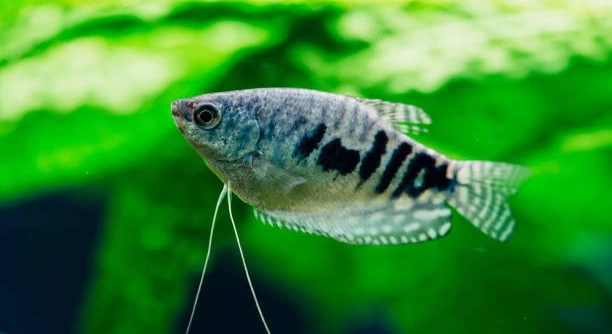
Do you ever wonder how your gourami might react to changes in their tank environment, especially when introducing new gravel? Many fish owners face concerns about how these small changes affect their aquatic pets. Gouramis are known for their sensitivity to surroundings.
Gouramis generally do not dislike new gravel types, but sudden changes can cause stress. They adapt over time if the gravel is safe, non-toxic, and free of sharp edges. Consistent water quality and gradual introduction help ease the transition.
Understanding how your gourami adjusts to new gravel can improve their comfort and well-being in the tank. This article will help you create a better environment for your fish.
How Gouramis React to New Gravel
When you change the gravel in a gourami tank, their reaction can vary. Some gouramis might be curious at first, swimming around and inspecting the new substrate. Others might seem a little shy or hide more than usual. This behavior usually lasts for a short time while they get used to the change. Gouramis rely on their environment for comfort, so sudden or drastic changes can make them feel unsafe. However, if the new gravel is clean and free of chemicals, the fish will quickly adapt. It’s important to avoid gravel that is too rough or sharp, as it can harm their delicate fins and bodies. Keeping the water parameters stable after introducing new gravel also helps reduce any stress. Watching your gouramis closely during this time can show you how well they are adjusting to the new setup.
Most gouramis adapt within a few days to new gravel, showing little long-term stress.
Some gouramis may explore the new gravel by sifting or nibbling, which is normal behavior. Over time, they will settle into their tank and behave as usual, showing that the new gravel has become part of their environment. If signs of stress continue, rechecking water quality and tank conditions is recommended. Ensuring a calm and stable tank environment is key to a smooth transition for your gouramis.
Choosing the Right Gravel for Your Gourami
Choosing gravel for gouramis means picking smooth, small-sized stones that won’t harm their fins.
Selecting gravel that matches the tank’s needs is important. Avoid sharp or large gravel pieces that can injure gouramis. Neutral-colored gravel helps reflect natural light without stressing the fish. Make sure the gravel is easy to clean and won’t affect the water’s pH. It’s a good idea to rinse new gravel thoroughly before adding it to the tank to remove dust and debris. Some owners prefer gravel that mimics the gouramis’ natural habitats, like riverbeds, to make the fish feel more at home. Additionally, avoid gravel with coatings or chemicals that might leach into the water. Choosing the right gravel promotes a healthy environment and supports your gouramis’ wellbeing. This small detail can make a big difference in how comfortable and active your fish remain.
Introducing New Gravel Gradually
Switching gravel all at once can stress gouramis. It’s better to add new gravel slowly over several days or weeks.
When you introduce new gravel gradually, your gouramis have time to get used to the change. Start by mixing a small amount of the new gravel with the old one. Over time, increase the amount of new gravel while removing the old. This reduces sudden changes in the tank environment, helping to keep water quality stable. Gradual introduction also prevents sudden shifts in the tank’s chemical balance, which can upset sensitive fish like gouramis. Taking this slow approach gives your fish a chance to adjust without feeling threatened.
Slow changes allow the beneficial bacteria on the gravel to adjust and maintain a healthy tank environment. Rapid replacement can disrupt this balance, leading to water quality issues that harm gouramis. Watching your fish for signs of discomfort during the transition can help you decide when to pause or proceed.
Monitoring Your Gourami’s Behavior
Watching your gouramis carefully after adding new gravel helps detect stress early.
Look for changes like hiding, loss of appetite, or less movement. These signs can show your fish is uncomfortable with the new setup. If these behaviors last more than a few days, check water parameters such as pH, ammonia, and nitrate levels. Proper filtration and regular water changes support your gouramis’ health during this adjustment. If the fish continue to seem stressed, consider switching to a different type of gravel or slowing the gravel change process. Keeping an eye on behavior helps ensure your gouramis stay healthy and comfortable in their home.
Gravel Texture and Gourami Comfort
Smooth gravel is best for gouramis because it prevents injury to their delicate fins and bodies. Rough or sharp gravel can cause scratches or stress.
Choosing gravel with a fine, rounded texture helps gouramis feel safe and comfortable while exploring their tank floor.
Effects of Gravel Color on Gouramis
Some gouramis may prefer neutral or natural-colored gravel because it mimics their natural habitat. Bright or unnatural colors might cause stress or hesitation.
Using subtle colors like browns, tans, or grays can create a calming environment that encourages natural behavior and reduces anxiety in gouramis.
Cleaning New Gravel
Rinse new gravel thoroughly before adding it to the tank. This removes dust, dirt, and unwanted particles that could affect water quality.
Proper cleaning helps keep the tank environment healthy and reduces the chance of sudden water parameter changes that might upset gouramis.
FAQ
Do gouramis dislike all types of new gravel?
Gouramis don’t dislike all new gravel, but they can react negatively to gravel that is rough, sharp, or chemically treated. Smooth, natural gravel tends to be more comfortable for them. If the gravel affects water quality or has harmful coatings, gouramis may show signs of stress or avoid certain areas of the tank.
How long does it take for gouramis to adjust to new gravel?
Adjustment times vary depending on the fish and how big the change is. Generally, gouramis take a few days to a week to fully get used to new gravel if it is introduced properly. Gradual changes and stable water conditions help speed up this process.
Can new gravel affect water parameters that harm gouramis?
Yes. Some gravels can change the tank’s pH or release minerals that affect water hardness. This can stress gouramis or cause health problems. Always test new gravel before adding it, and rinse it well. Avoid gravel made from limestone or materials that drastically alter water chemistry.
Is it necessary to change gravel in a gourami tank?
Changing gravel is not always necessary if the current substrate is clean and safe. However, if it becomes dirty, compacted, or harmful, replacement can improve water quality. When changing gravel, do it gradually to prevent disturbing the tank’s beneficial bacteria and to keep gouramis comfortable.
What type of gravel is safest for gouramis?
The safest gravel for gouramis is small to medium-sized with a smooth, rounded texture. Natural colors like tan, gray, or brown are preferred. Avoid sharp-edged, large, or brightly colored gravel that can cause injury or stress. Ensure the gravel does not affect water chemistry.
How should I introduce new gravel to avoid stressing my gouramis?
Introduce new gravel slowly by mixing it with the old gravel over several days or weeks. Keep water conditions stable and watch your fish closely for stress signs. Perform regular water tests and changes during this time. A slow approach helps maintain a healthy environment and reduces stress for gouramis.
Can gouramis be trained to accept new gravel faster?
Gouramis are not trainable in the traditional sense, but they do respond well to stable, calm environments. Minimizing sudden changes and maintaining good water quality helps them adapt quicker. Creating hiding spots and keeping feeding routines consistent also support their adjustment.
What signs indicate my gourami dislikes the new gravel?
Signs include increased hiding, reduced eating, erratic swimming, or rubbing against tank surfaces. If these behaviors persist beyond a few days, it may mean the gravel is causing discomfort. Checking water quality and substrate type can help identify the problem.
Is gravel color really important for gouramis?
Color can influence gourami comfort. Neutral and natural tones create a more soothing environment that encourages normal behavior. Bright or unnatural gravel may cause hesitation or stress. While color alone doesn’t harm gouramis, it can affect their sense of security in the tank.
How often should I clean the gravel in a gourami tank?
Cleaning gravel depends on tank size and stocking levels, but generally once every two weeks is enough. Use a siphon to remove debris without disturbing beneficial bacteria too much. Over-cleaning can disrupt the tank balance and stress gouramis, so clean gently and regularly.
When it comes to introducing new gravel to a gourami tank, taking time and care makes a big difference. Gouramis are sensitive fish that rely on their environment to feel safe and comfortable. Changing gravel suddenly or using gravel that is rough, sharp, or chemically treated can cause stress. This may show in their behavior, such as hiding more or eating less. To avoid this, it is important to choose the right type of gravel and introduce it slowly. Smooth, natural-colored gravel is usually the best choice. It provides a safe surface for your fish to explore without risking injury or discomfort.
Cleaning new gravel thoroughly before adding it to the tank is also important. This helps remove dust and debris that could harm water quality. When you gradually replace old gravel with new gravel, your tank’s environment stays more stable. This is good for the beneficial bacteria that keep the water healthy. Watching your gouramis closely during the change will help you notice if they are having any trouble adjusting. If they seem stressed for a long time, it might be a sign to slow down or rethink the gravel type. Maintaining good water quality with regular tests and water changes supports your gouramis’ health during any change.
Ultimately, your gouramis will likely adapt to new gravel if you plan the change carefully. They don’t dislike new gravel as a rule, but they do respond to how and what kind of gravel you use. Keeping their comfort in mind by selecting smooth gravel, introducing it gradually, and maintaining water quality makes the process easier for them. Your patience and care will help keep your gouramis happy and healthy, giving them a safe and pleasant home. This small attention to detail in their environment can improve their overall well-being and allow you to enjoy watching your fish thrive.

Hello,
If you enjoy the content that we create, please consider saying a "Thank You!" by leaving a tip.
Every little bit helps us continue crafting quality advice that supports the health, happiness, and well-being of pets around the world, for pets of all shapes, sizes, and species.
We really appreciate the kindness and support that you show us!