
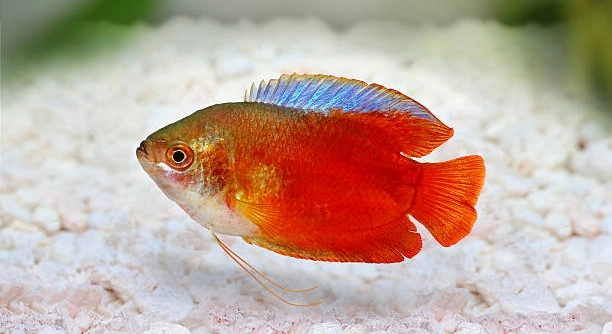
Gouramis are popular freshwater fish known for their vibrant colors and peaceful nature. Sometimes, they display sudden lunging behavior that can surprise their owners. This article explores why gouramis might lunge unexpectedly in their tanks.
Sudden lunging in gouramis is often a response to stress, territorial defense, or attempts to catch prey. Environmental factors such as water quality, tank mates, or sudden movements can trigger this behavior, which is natural but may indicate underlying issues.
Understanding these behaviors helps maintain a healthy environment and promotes the well-being of your gourami. Learning about the causes and solutions will improve your fishkeeping experience.
Causes of Sudden Lunging in Gouramis
Sudden lunging in gouramis can stem from various causes. One common reason is territorial behavior. Gouramis may lunge to assert dominance, especially if the tank is crowded or if new fish are introduced. Stress also plays a significant role. Poor water quality, sudden changes in temperature, or inadequate hiding spaces can make gouramis feel threatened, prompting quick lunges. Another factor is hunting instincts; gouramis sometimes lunge at moving objects or small tank mates, mistaking them for food. Overfeeding or improper diet can increase their aggression or restlessness. Observing their environment and routine carefully helps in identifying the exact cause. Adjusting tank conditions, providing enough space, and ensuring proper diet can reduce this behavior and create a calmer habitat for your fish.
Recognizing the causes allows timely adjustments that prevent stress and aggression. This proactive care supports your gourami’s health and peaceful tank life.
Proper tank management and observation are essential to keep your gouramis comfortable. Small changes in their environment can make a big difference.
How to Reduce Lunging Behavior
Improving water quality and reducing stress are key steps to minimize lunging. Regular water changes and maintaining stable temperature help keep gouramis calm.
To reduce lunging, ensure the tank is spacious enough to prevent territorial disputes. Adding plants and hiding spots offers security, reducing stress and aggressive behavior. Avoid sudden movements around the tank, as these can startle gouramis. Feeding an appropriate diet in controlled amounts prevents overexcitement linked to hunger. If aggression persists, consider separating more aggressive individuals. Consistent tank maintenance and careful monitoring create a balanced environment that discourages lunging and promotes overall well-being.
Signs That Lunging Is a Problem
If lunging becomes frequent or intense, it may indicate stress or health issues. Watch for signs like torn fins, rapid breathing, or hiding. These symptoms suggest the behavior is harming your gourami or its tank mates.
Sudden lunging often correlates with environmental stressors. Poor water conditions, overcrowding, or incompatible tank mates can increase aggression and cause injury. When lunging leads to physical damage or persistent stress, intervention is necessary. Ignoring these signs can worsen the problem and affect all fish in the tank. Monitoring behavior closely and maintaining clean water help identify and resolve these issues early.
Frequent lunging might also stem from illness or discomfort. Internal parasites or infections can make gouramis restless or irritable. Affected fish may lunge more often as a response to pain or imbalance. Consulting a vet or experienced aquarist can assist in diagnosing and treating such problems. Maintaining good tank hygiene reduces the risk of disease and promotes calm behavior.
When to Adjust Your Tank Setup
If your gourami lunges frequently, it may be time to review the tank environment. Space, plants, and hiding spots all impact behavior.
Tank size directly affects territorial disputes; small tanks increase stress and aggression. Adding dense plants and decorations provides secure areas, reducing confrontations. Rearranging the tank occasionally prevents territory fixation and keeps fish calmer. Removing aggressive tank mates or adding compatible species can also improve dynamics. Keeping water parameters stable by testing regularly reduces stress-induced lunging. Thoughtful adjustments to the setup create a more peaceful environment and improve your gourami’s quality of life.
Monitoring Gourami Behavior Over Time
Tracking your gourami’s behavior helps spot changes early. Keep notes on lunging frequency and tank conditions. This practice reveals patterns and potential triggers, aiding timely intervention.
Consistent observation helps distinguish normal behavior from signs of stress or illness. Early detection is key to preventing serious problems.
Feeding and Lunging Behavior
Overfeeding or irregular feeding schedules can cause gouramis to become restless and lunge more often. Providing balanced, appropriate portions reduces agitation and keeps their behavior stable.
Feeding small amounts multiple times a day mimics natural habits and prevents sudden bursts of energy that lead to lunging. A consistent routine promotes calmness and health.
Using Tank Mates to Reduce Aggression
Choosing compatible tank mates can lessen lunging behavior. Peaceful, non-aggressive fish reduce stress and territorial disputes, encouraging calm interactions in the tank.
When to Consult a Professional
Persistent lunging accompanied by physical symptoms may require expert advice. A professional can help diagnose health problems or suggest environmental adjustments.
FAQ
Why does my gourami lunge suddenly at other fish?
Gouramis lunge at other fish mainly due to territorial instincts or stress. They may feel the need to defend their space or show dominance, especially if the tank is small or crowded. Sudden movements or changes in the environment can also provoke this behavior. Ensuring enough space and hiding spots reduces these aggressive displays.
Is sudden lunging a sign of illness in gouramis?
Not always, but it can be. If lunging is paired with symptoms like lethargy, clamped fins, or discoloration, it may indicate illness or discomfort. Parasites or infections often cause restlessness, which results in sudden lunging. Keeping the tank clean and observing health closely helps catch issues early.
How can I stop my gourami from lunging?
Improving tank conditions is the best approach. Provide a spacious environment with plenty of plants and hiding places. Keep water quality high and maintain stable temperatures. Avoid overcrowding and feed a balanced diet on a regular schedule. Sometimes, separating aggressive fish helps calm the tank.
Does the size of the tank affect lunging behavior?
Yes. Smaller tanks can increase territorial aggression because fish have less room to establish their own areas. A larger tank allows gouramis to spread out and reduces conflicts. Aim for at least 20 gallons for one gourami and add extra space for each additional fish to minimize stress.
Can certain tank mates trigger lunging?
Some species do trigger lunging, especially those that are similar in size or behavior. Aggressive or fast-moving fish may provoke defensive lunges. Choosing peaceful, slow-moving tank mates usually helps keep gouramis calm and reduces sudden lunging.
Is lunging related to feeding times?
Yes, feeding times can influence lunging. If gouramis are hungry or overexcited by food, they may lunge suddenly at tank mates or objects. Feeding smaller amounts multiple times a day helps avoid overexcitement and aggressive behavior linked to feeding.
Will lunging cause harm to my gourami or other fish?
Repeated lunging can injure fins or cause stress to both the lunger and the targeted fish. Prolonged stress weakens the immune system, making fish vulnerable to disease. Taking steps to reduce lunging is important to prevent injury and keep the tank peaceful.
Can water quality affect lunging behavior?
Poor water quality is a major cause of stress that leads to lunging. High levels of ammonia, nitrites, or nitrates irritate fish and increase aggression. Regular water tests and maintenance, like partial water changes, keep conditions stable and reduce stressful behaviors.
What should I do if lunging becomes aggressive fighting?
If lunging turns into aggressive fights with visible injury, separate the fish immediately. Assess the tank setup for overcrowding or incompatible species. Increasing hiding spots or upgrading to a larger tank can help prevent future conflicts.
Are there behavioral signs before a gourami lunges suddenly?
Yes, gouramis often show signs such as flaring fins, increased movement, or chasing smaller fish. They may also become more territorial or hide less. Recognizing these signs can help prevent sudden lunges by addressing the cause early.
Can stress cause sudden lunging in gouramis?
Stress is one of the main triggers of sudden lunging. Changes in environment, poor water conditions, or frequent disturbances cause anxiety in gouramis. Managing stress through stable tank conditions and gentle handling reduces sudden aggressive actions.
How can I tell if my gourami is simply playing or being aggressive when it lunges?
Playful lunging is usually brief and not directed aggressively at other fish. Aggressive lunging often involves chasing, biting, or repeated attacks. Watching the intensity and frequency helps determine if behavior is harmless or a concern needing action.
Does temperature impact gourami lunging?
Temperature fluctuations stress gouramis and can increase aggressive behavior like lunging. Keeping the water temperature consistent within the species’ preferred range (usually 74-82°F) helps maintain calm behavior and overall health.
Can lunging be a sign of breeding behavior?
Sometimes lunging is related to courtship or territorial displays during breeding. Males may lunge to impress females or defend a nesting area. This behavior usually decreases once breeding is complete and is less intense than aggressive lunging.
Are younger gouramis more likely to lunge suddenly?
Juvenile gouramis may lunge more frequently as they establish social hierarchy and explore their environment. As they mature, lunging tends to decrease if the tank setup supports their needs and they feel secure.
What role does diet play in gourami lunging?
A poor or irregular diet can increase restlessness and lunging. Providing varied, nutritious food in appropriate amounts keeps gouramis satisfied and reduces hyperactive behavior that leads to sudden lunges.
Can tank decorations reduce lunging behavior?
Yes. Plants, caves, and other decorations create visual barriers and hiding spots. These reduce stress by allowing gouramis to avoid each other and establish personal space, which lowers the frequency of lunging.
Is it normal for gouramis to lunge at reflections?
Gouramis sometimes mistake their reflection for another fish and lunge at it. This behavior is common but can cause unnecessary stress. Positioning the tank away from direct light or using background covers helps reduce reflections.
How long does lunging behavior usually last?
If lunging is due to stress or environment, it can persist until conditions improve. If related to breeding, it usually lasts only a few weeks. Monitoring and adjusting the tank environment generally reduces lunging over time.
Should I change my gourami’s tank mates if lunging continues?
Yes, changing tank mates can be effective if lunging persists despite environmental improvements. Introducing more peaceful or less competitive species reduces aggression and promotes a calmer tank atmosphere.
Final Thoughts
Gouramis are interesting fish with unique behaviors, and sudden lunging is one of the more noticeable actions they can show. This behavior often signals their natural instincts, like defending territory or reacting to stress. Understanding why your gourami lunges helps create a better environment for them. Small changes in the tank, such as adding hiding spots or improving water quality, can make a big difference in reducing sudden lunging. By paying attention to their behavior, you can improve their comfort and reduce unnecessary stress.
Maintaining good tank conditions is essential for keeping your gourami calm and healthy. Regular water changes, stable temperatures, and proper feeding routines are all important factors. Overcrowding or keeping incompatible fish together can increase lunging and aggression. Taking time to observe your gourami and making adjustments to their surroundings helps prevent problems before they start. When a gourami feels safe and has enough space, lunging tends to decrease naturally.
If lunging continues despite your best efforts, it may be helpful to seek advice from a fish care professional. Sometimes health issues or more complex environmental factors can cause sudden lunging. Early diagnosis and treatment can prevent serious problems. Overall, understanding your gourami’s behavior and needs is key to a peaceful tank. Careful attention and consistent care help your gourami thrive and reduce sudden lunging for a better experience.

Hello,
If you enjoy the content that we create, please consider saying a "Thank You!" by leaving a tip.
Every little bit helps us continue crafting quality advice that supports the health, happiness, and well-being of pets around the world, for pets of all shapes, sizes, and species.
We really appreciate the kindness and support that you show us!