
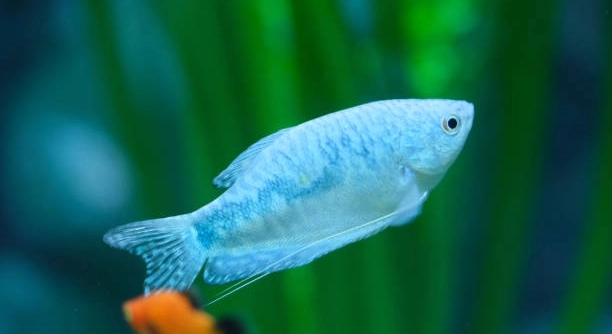
Have you ever stood near your fish tank and wondered if your gourami notices you’re there? These curious little fish seem to respond when someone approaches, leaving many owners thinking there’s more going on beneath the surface.
Gouramis are capable of recognizing owner proximity to some extent, likely through visual cues and changes in water vibrations. While they may not form deep attachments like mammals, consistent human presence can influence their behavior and feeding response.
Learning how gouramis react to people can help improve daily care and create a calmer tank environment for both fish and owner.
How Gouramis Detect Movement and Presence
Gouramis rely on a mix of sight, vibration, and routine to respond to what’s happening around them. Their eyes help them notice motion near the tank, especially when someone is close or moving. The lateral line, a sensory organ running along their sides, picks up subtle water vibrations, letting them detect nearby shifts in pressure. This is especially helpful when the tank is touched or tapped, though tapping should be avoided as it can cause stress. Over time, gouramis also learn feeding patterns and associate their owner’s approach with food. If you feed them at the same time daily, they may come to the surface as soon as they see you. This behavior may appear as recognition, but it’s more about habit than emotion. Still, it adds to the idea that gouramis are more aware of their surroundings than people often expect.
This ability to connect presence with routine helps build a more engaging interaction between the owner and the gourami.
When you appear near the tank, your gourami may swim to the front, flare its fins, or become more active. These are signs it has noticed your presence.
What This Means for Gourami Owners
Gouramis show more awareness than many expect. With consistency and care, they respond well to daily routines and calm handling.
If you want to build a stronger connection with your gourami, start with a regular feeding schedule. Stand near the tank quietly and avoid sudden moves. Over time, your gourami may come to expect your presence and display more active behavior when you’re nearby. Avoid overfeeding, as this can lead to health issues even if the fish seems eager. Consider using the same container or hand motion during feeding so the fish starts to recognize your approach. Consistent tank maintenance also plays a part, as stress from dirty water can reduce interaction. Try to keep noise around the tank low to avoid startling your gourami. It won’t learn your name or voice, but it can become familiar with how you behave. Many owners find this interaction rewarding, even if it’s subtle. Understanding this behavior can make caring for your gourami more enjoyable.
Training and Response Behavior
Training your gourami doesn’t involve tricks, but it can learn to associate certain actions with food. Repeating simple cues like tapping a specific corner or using the same hand motion can lead to visible responses during feeding time.
Once your gourami connects your presence with food, you might notice it swimming up when you enter the room or pause near the tank. This shows that it has learned to expect something positive from seeing you. Some owners even train their gourami to eat from a small spoon or target a specific spot for feeding. This kind of training builds trust and helps reduce stress during tank maintenance or care routines. Avoid sudden movements and stick to a predictable pattern. Gouramis thrive in peaceful environments, and routine plays a major role in shaping their responses. Keep the tank environment stable, as this also supports consistent behavior.
Changes in your gourami’s behavior can reflect stress, illness, or shifts in its environment. If it stops responding to your presence, becomes less active, or hides more often, it might be a sign that something is wrong. Look for other signs like faded color, reduced appetite, or ragged fins. These issues can come from poor water conditions, bullying tankmates, or sudden changes in the tank layout. Always test the water first and make sure filtration and temperature are stable. A stressed gourami is less likely to interact with you. By keeping its environment healthy and calm, your gourami is more likely to keep recognizing and reacting to your presence. Pay attention to changes, and act early.
Visual Cues and Light Sensitivity
Gouramis rely mostly on sight to recognize movement, which is why lighting and tank placement affect how they behave. A tank placed in a bright, busy area may make them more reactive, while dim lighting can reduce visible response.
Keep lighting consistent to help your gourami feel secure. Sudden changes in brightness can cause stress or confusion. LED lights with a day-night cycle work well, helping your fish know when to rest and when to be active. Place the tank where your gourami can see people clearly but isn’t exposed to constant movement. This balance helps them recognize you without feeling overwhelmed. You’ll often see more interaction when the tank is in a calm, moderately lit area. When using visual cues for feeding, make sure your hand is clearly visible and avoid moving too quickly. This keeps your gourami focused and less startled by sudden gestures.
Common Misunderstandings
Many people believe gouramis recognize their owners like dogs or cats do. In reality, their response is based more on routine and visual memory than emotional attachment or deep recognition.
Some also think a lack of reaction means the gourami dislikes them. Often, it’s just resting, full, or distracted by something else.
Consistency Matters
Keeping a steady routine helps your gourami feel safe and more responsive. Feeding at the same time, using similar movements, and keeping the tank calm can all shape how your fish behaves. If you’re inconsistent, it may take longer for your gourami to react or recognize patterns. Stability in light, temperature, and noise also plays a role. Sudden changes can confuse your fish, making it withdraw or ignore cues it previously responded to. Once a routine is built, your gourami will usually stick to it unless something in the environment shifts. Being consistent also helps you notice behavior changes early, which is helpful for keeping your fish healthy.
Final Note on Interaction
Even if gouramis don’t bond the same way as other pets, their behavior still reflects awareness. With time and care, you can build a simple but rewarding interaction.
FAQ
Can gouramis really recognize their owners?
Gouramis don’t recognize owners like pets such as dogs or cats do. Instead, they learn to associate specific actions, like feeding routines or hand movements, with food or positive experiences. This kind of recognition is based on pattern learning and habit rather than emotional attachment. If your gourami swims toward you when you approach the tank, it is responding to familiar signals, not necessarily knowing you personally.
Why does my gourami come to the front of the tank when I’m near?
Your gourami likely comes to the front because it has learned to expect food or interaction. Fish respond to movement and routine, so seeing you approach triggers a conditioned response. This behavior shows the fish is aware of its environment and has adapted to regular feeding times or signals.
Do gouramis respond to voice or sounds?
Gouramis have limited hearing and mostly rely on vibrations rather than specific sounds or voices. They can sense water vibrations caused by sound waves, but they don’t recognize speech or individual voices. Gentle tapping or soft noises may alert them, but talking to your fish won’t create a meaningful connection.
How can I encourage my gourami to interact more with me?
Consistency is key. Feeding your gourami at the same time daily, using the same hand gestures, and keeping a calm environment encourages your fish to respond. Avoid sudden movements or loud noises near the tank. Over time, your gourami will learn to expect your presence and respond with activity.
Is it harmful if my gourami doesn’t respond to me?
Not necessarily. Some gouramis are more shy or less interested in interaction. Lack of response can also be caused by stress, illness, or poor water conditions. If your fish is hiding often, refusing food, or showing color loss, check the tank environment and water quality first. Healthy gouramis usually show some reaction to routine stimuli.
Can gouramis get stressed from too much human interaction?
Yes, they can. Frequent tapping on the glass, sudden movements, or constant disturbances can stress gouramis. Stress weakens their immune system and can cause health issues. It’s important to approach the tank calmly and limit interactions to gentle, predictable routines to keep your fish comfortable.
Do gouramis have good eyesight?
Gouramis have decent vision, enough to notice movement and changes in light around the tank. Their eyesight helps them detect food and nearby objects but is not sharp enough to recognize detailed features. This means they respond to your general presence and motions rather than your specific face or expressions.
How do water conditions affect gourami behavior?
Water quality strongly impacts how active and responsive your gourami is. Poor conditions like high ammonia, incorrect temperature, or low oxygen can make your fish lethargic and less likely to respond to stimuli. Maintaining clean, stable water helps your gourami stay healthy and more interactive.
Can gouramis learn to eat from my hand?
Some gouramis can be trained to accept food from your hand or a small spoon if done carefully and consistently. This requires patience and calm movements. Training helps build trust and makes feeding more interactive but should be done gently to avoid stressing the fish.
Why does my gourami sometimes ignore me even during feeding time?
Ignoring you during feeding could mean your gourami is full, stressed, or not feeling well. It may also be distracted by tank mates or changes in the environment. If this happens often, review your feeding schedule, tank conditions, and fish health to find the cause.
What signs show a gourami is stressed or unhappy?
Signs include hiding frequently, clamped fins, faded colors, erratic swimming, and loss of appetite. Stress can come from poor water quality, aggressive tankmates, or too much disturbance. Keeping the environment stable and calm helps prevent stress and keeps gouramis more responsive.
Is it okay to tap the glass to get my gourami’s attention?
Tapping the glass can startle gouramis and cause stress, so it’s best avoided. Instead, use gentle hand movements outside the tank to signal feeding time. Reducing sudden noise and vibrations helps maintain a peaceful tank environment.
Do gouramis recognize their feeding container?
Yes, gouramis can learn to associate the feeding container or location with food. Using the same container or feeding spot consistently helps the fish anticipate feeding and respond quickly when you approach.
How long does it take for a gourami to get used to an owner?
It varies, but most gouramis begin to show recognition of routine within a few weeks. Regular feeding times, calm presence, and consistent signals help build this familiarity faster. Patience and gentle care improve the chances of interaction.
Can I tell if my gourami is happy?
A healthy, comfortable gourami is usually active, swims smoothly, displays bright colors, and eagerly accepts food. It may respond to your presence by swimming near the glass or showing interest. While fish don’t express happiness like mammals, these signs indicate well-being.
What should I do if my gourami never seems to notice me?
If your gourami rarely responds, check tank conditions, feeding routines, and stress factors. Some fish are naturally shy or less interactive. Improving water quality, reducing noise, and feeding consistently may encourage more response over time. Not all gouramis show strong reactions, and that can be normal too.
Gouramis are interesting fish that can notice their owners, but not in the way pets like dogs or cats do. Their responses are mostly based on routines and simple recognition of movement and feeding signals. They learn to expect food when they see familiar actions or patterns around the tank. This means they can come to the front of the tank when you approach or swim actively during feeding time. However, this behavior is more about habit and survival than emotional bonding. Understanding this helps set realistic expectations for how gouramis interact with people.
It is important to remember that consistency is key when caring for gouramis. Keeping feeding times regular, using the same hand gestures, and maintaining a calm environment will encourage your fish to respond more often. Gouramis also rely on good water conditions and a peaceful tank to stay healthy and active. Stress from poor water quality or sudden changes can cause them to hide or ignore stimuli. By providing a stable and clean home, you give your gourami the best chance to show natural behavior and react to your presence.
Even though gouramis don’t recognize owners in a personal way, their awareness of movement and routine can make fishkeeping more enjoyable. Many owners find satisfaction in seeing their gouramis respond to feeding time or swim toward them. These moments are simple but meaningful, showing that the fish is comfortable and aware of its environment. With patience and gentle care, you can build a positive relationship with your gourami, based on trust and routine rather than deep emotional connection. This kind of interaction is rewarding and helps keep both owner and fish happy.

Hello,
If you enjoy the content that we create, please consider saying a "Thank You!" by leaving a tip.
Every little bit helps us continue crafting quality advice that supports the health, happiness, and well-being of pets around the world, for pets of all shapes, sizes, and species.
We really appreciate the kindness and support that you show us!