
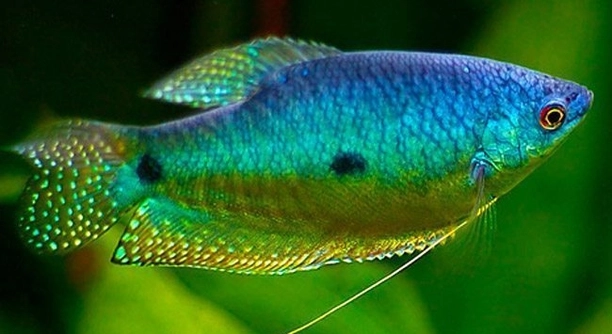
Gouramis are popular freshwater fish often kept in home aquariums. Their health depends a lot on water quality, which can sometimes change subtly. Many owners want to understand if gouramis notice these small changes in their environment.
Gouramis do have the ability to sense slight changes in water conditions. They respond to variations in factors like pH, temperature, and chemical balance, which can affect their behavior and well-being. This sensitivity helps them survive in fluctuating aquatic environments.
Knowing how gouramis react to water changes can improve how you care for them. Small adjustments in water maintenance can make a big difference in keeping your fish healthy and comfortable.
How Gouramis Detect Changes in Water Quality
Gouramis use their senses to detect changes in their environment, especially in water quality. Their bodies are sensitive to variations in pH levels, temperature, and dissolved oxygen. These fish rely on their lateral line system, a series of sensory organs along their sides, to pick up vibrations and pressure changes. This system helps them notice small disturbances in the water. If the water’s chemistry shifts even slightly, gouramis may react by becoming less active, hiding more, or changing their swimming patterns. This behavior is an early warning sign that something in their tank needs attention. It’s important for fish keepers to regularly check water parameters and perform water changes to keep the environment stable. By understanding how gouramis sense their surroundings, you can better support their health and reduce stress in your aquarium.
Water quality changes can affect gouramis’ health quickly. Monitoring these conditions regularly helps prevent problems before they start.
Maintaining a clean tank with balanced water parameters ensures that gouramis stay comfortable. When conditions shift, their natural reactions alert you to make adjustments. Watching their behavior closely is key to keeping them healthy over time.
Signs Gouramis Show When Water Is Off
Gouramis show clear signs when their water conditions are not right. They might stop eating, swim erratically, or stay near the surface gasping for air. These changes indicate stress caused by poor water quality or incorrect temperature. If ignored, this stress can lead to illness or death.
Observing your gouramis’ behavior can help catch water issues early.
When gouramis sense slight changes in water, their reactions serve as an important signal. They may become more withdrawn or lose their usual bright colors. These fish are also sensitive to harmful substances like ammonia or nitrites, which can build up quickly in poorly maintained tanks. To prevent this, frequent water testing is essential. Regular partial water changes help keep harmful chemicals low and oxygen levels stable. Providing proper filtration and avoiding overfeeding also supports water health. By responding promptly to your gouramis’ behavior, you protect them from long-term harm and create a safe, stable home. This attention helps gouramis thrive and enjoy a longer, healthier life in your care.
Common Water Parameters That Affect Gouramis
Water temperature plays a crucial role in gouramis’ health. They prefer temperatures between 75 and 82 degrees Fahrenheit. Outside this range, they may become stressed or sick. pH is another important factor; gouramis thrive in water with a pH between 6.0 and 7.5.
Temperature changes can affect gouramis’ metabolism and activity levels. When the water is too cold, their immune system weakens, making them vulnerable to disease. Too warm, and they may become lethargic or use more oxygen than available. pH fluctuations can harm their gills and skin, causing discomfort and reduced oxygen absorption. Maintaining stable temperature and pH is key to keeping gouramis comfortable and healthy.
Other parameters like ammonia, nitrite, and nitrate levels must be controlled as well. Ammonia and nitrites are toxic even at low levels and should be kept at zero. Nitrates should stay below 20 ppm to avoid stress. Testing water regularly and performing timely water changes help keep these chemicals in safe ranges, preventing health issues.
How to Maintain Ideal Water Conditions for Gouramis
Frequent water testing is essential for maintaining healthy water conditions. Use reliable test kits to monitor temperature, pH, ammonia, nitrites, and nitrates regularly.
Consistent maintenance keeps gouramis stress-free and healthy. Water changes of 20-30% weekly remove harmful buildup. Avoid overfeeding, as leftover food increases waste and worsens water quality. Use a good filtration system that matches the tank size and keeps the water clear and oxygenated. Keeping plants and decorations clean also helps prevent algae growth and toxin buildup. A well-maintained tank ensures gouramis live in a stable environment, reducing their stress and promoting vibrant behavior and color.
How Gouramis React to Poor Water Conditions
Gouramis often become less active when water quality declines. They may hide more or stop eating, signaling discomfort.
Stress from poor water conditions can weaken their immune system, making them more prone to illness. These behaviors should not be ignored.
The Importance of Oxygen Levels
Oxygen is vital for gouramis’ survival. Low oxygen levels cause gasping at the water surface and restlessness. Proper aeration and water movement help maintain healthy oxygen levels in the tank, supporting their well-being.
Using Water Conditioners Safely
Water conditioners remove harmful chemicals like chlorine and chloramines from tap water. Using them correctly protects gouramis during water changes, ensuring the water remains safe and healthy for your fish.
FAQ
Do gouramis react immediately to slight changes in water quality?
Gouramis may not always show instant reactions to small changes, but subtle shifts can affect them quickly over time. Behavior like mild hiding or reduced activity can be early signs. It’s important to observe them regularly, as these changes might not be obvious right away but still impact their health gradually.
Can gouramis survive in water with improper pH or temperature?
They can tolerate minor fluctuations for short periods, but prolonged exposure to improper pH or temperature harms their immune system. This can cause stress, disease, or even death. Maintaining stable, appropriate conditions is essential for their long-term health and vitality.
What signs indicate that water quality is affecting gouramis?
Common signs include reduced appetite, lethargy, unusual swimming patterns, and hiding. You might also see faded colors or increased gill movement as they try to get more oxygen. These symptoms suggest the water quality needs immediate attention.
How often should water be tested for gourami tanks?
Water should be tested at least once a week to keep parameters stable. Testing more often is helpful when setting up a new tank or if problems arise. Regular checks help detect issues early and keep your gouramis safe.
Are all water conditioners safe for gouramis?
Most commercial water conditioners are safe when used as directed. They neutralize chlorine, chloramines, and heavy metals in tap water. Always follow the instructions carefully, as overdosing or mixing conditioners can harm your fish.
How can I improve oxygen levels in a gourami tank?
Using an air pump, sponge filter, or adding live plants can increase oxygen levels. Good water circulation and regular water changes also help. Gouramis need well-oxygenated water to stay healthy and avoid stress.
What happens if ammonia or nitrite levels rise in the tank?
Ammonia and nitrites are toxic even at low levels and can cause severe damage to gouramis’ gills and overall health. Symptoms include gasping for air, clamped fins, and erratic swimming. Immediate water changes and filtration adjustments are necessary to reduce these chemicals.
Can gouramis adapt to new water conditions slowly?
They can adjust if changes are gradual. Sudden shifts in temperature or pH cause stress, but slow adjustments over days help them acclimate safely. Always make changes gradually to avoid shocking your fish.
Is it normal for gouramis to gasp at the surface sometimes?
Occasional surface breathing can happen, especially if oxygen is low, but frequent gasping indicates poor water quality or low oxygen levels. Check water parameters and aeration immediately if this behavior continues.
What role does diet play in how gouramis react to water quality?
A balanced diet supports their immune system, helping them better handle minor water issues. Overfeeding, however, pollutes water quickly, worsening conditions. Feeding appropriate amounts keeps both gouramis and water healthy.
How do I know if the tank size is affecting water quality for gouramis?
Small tanks can have rapid water parameter swings because waste accumulates quickly. If you notice frequent water quality issues despite regular maintenance, the tank might be too small. A larger tank offers more stable conditions for gouramis.
Can live plants help stabilize water conditions for gouramis?
Yes, live plants absorb nitrates and produce oxygen, improving water quality. They also provide shelter, reducing stress. Including hardy plants suited for your tank environment benefits both water health and gourami comfort.
Should I quarantine new gouramis before adding them to the main tank?
Quarantining helps prevent introducing diseases and allows you to monitor new fish for stress or illness. It also gives you time to adjust their water conditions gradually, improving their chances of adapting smoothly to the main tank.
How important is filtration in maintaining good water quality for gouramis?
Filtration removes waste and harmful substances, keeping water clean and balanced. A filter appropriate for your tank size is crucial. Without proper filtration, toxins build up quickly, causing stress and health problems for gouramis.
Can gouramis sense harmful chemicals in the water besides pH and temperature changes?
They can detect irritants like ammonia, nitrites, and chlorine through sensory organs. These chemicals cause discomfort, which changes their behavior and can lead to serious health issues if not addressed promptly.
What are simple daily habits to keep gouramis comfortable in their tank?
Feeding the right amount, observing behavior, and checking equipment daily help catch problems early. Avoid overfeeding, maintain proper lighting, and ensure the filter runs smoothly. These small steps keep gouramis happy and healthy.
Gouramis are sensitive fish that rely heavily on their environment to stay healthy and happy. Their ability to sense slight changes in water quality means they often react before problems become serious. Watching their behavior closely can give important clues about the tank’s condition. When gouramis seem less active, hide more, or show changes in eating habits, it’s a good sign that something in the water might be off. Paying attention to these signals helps owners take action early, preventing health issues and ensuring the fish remain comfortable in their home.
Maintaining good water quality is essential for gouramis’ well-being. This includes keeping stable temperature and pH levels within their preferred range. Regular testing of water parameters is key to spotting potential problems before they affect the fish. Frequent partial water changes, proper filtration, and avoiding overfeeding all contribute to a balanced environment. Using water conditioners can also help remove harmful chemicals from tap water, making it safe for the fish. Small, consistent efforts in tank care make a big difference in the long run, supporting gouramis’ health and reducing their stress.
Understanding how gouramis respond to their environment encourages better care and attention. These fish rely on stable water conditions to thrive, and small changes can have a big impact. By monitoring their behavior and water quality closely, owners can create a safe and healthy habitat. This not only helps prevent illness but also allows gouramis to display their natural colors and behaviors. Taking time to maintain the tank and respond to changes ensures that gouramis live longer, happier lives in a well-balanced aquarium.

Hello,
If you enjoy the content that we create, please consider saying a "Thank You!" by leaving a tip.
Every little bit helps us continue crafting quality advice that supports the health, happiness, and well-being of pets around the world, for pets of all shapes, sizes, and species.
We really appreciate the kindness and support that you show us!