
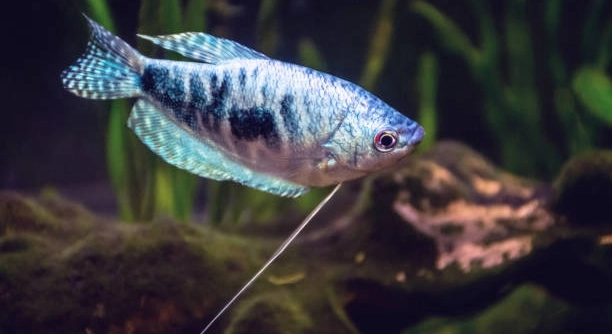
Gouramis are popular aquarium fish known for their calm nature and vibrant colors. Many fishkeepers enjoy feeding them a variety of foods. However, sometimes gouramis may show signs that they are unhappy with their diet.
When gouramis dislike their diet, they may display changes in behavior, appetite, and physical health. Common signs include refusal to eat, sluggishness, color fading, or even fin damage. These indicators help aquarists identify dietary issues and adjust feeding accordingly.
Recognizing these signs early can help improve your gourami’s health and well-being. This article will guide you through the common signals that suggest your fish might need a diet change.
Loss of Appetite
Gouramis that dislike their diet often stop eating or show less interest in food. This can happen slowly or suddenly. When they refuse to eat, it’s a clear sign something is wrong with their diet. Sometimes, they may nibble but not finish their meals. This behavior can weaken the fish over time. If you notice your gourami ignoring food, check the type of diet you are offering. It might be too plain, spoiled, or simply not suitable for their needs. Feeding the same food every day without variety can also cause boredom and loss of appetite. Changing the food type or adding fresh options can help. Always ensure the food is fresh and properly stored to keep your gourami healthy.
Loss of appetite is often the first visible sign that a gourami is unhappy with its diet.
If your gourami stops eating, it’s important to test different foods or adjust feeding schedules. Sometimes small changes make a big difference.
Changes in Color and Appearance
When gouramis are not satisfied with their diet, their colors can fade or become dull. A poor diet can affect their scales, causing them to lose vibrancy. In some cases, you might notice the fins becoming ragged or damaged. These physical changes happen because the fish isn’t getting the right nutrients it needs to stay healthy. Protein and vitamins play a major role in maintaining bright colors and strong fins. If you see these signs, it’s time to review what you feed your gourami. Adding high-quality flakes, pellets, or live foods can improve their look. It’s important to balance their diet with different food types to keep them vibrant. Regular water changes and a clean tank also help maintain healthy skin and color. This way, your gourami will look better and feel better, too.
Unusual Behavior
Gouramis may become restless or hide more when unhappy with their diet. Changes in behavior often signal discomfort or nutritional problems.
Restlessness can mean the fish is searching for food or trying to avoid something it dislikes. If your gourami suddenly swims nervously or scratches against tank decorations, it may be trying to communicate distress. On the other hand, hiding often shows the fish is feeling weak or stressed. These behaviors can worsen if the diet lacks essential nutrients. Adjusting the food type or quality can calm your gourami and restore normal activity levels.
If your gourami’s behavior changes sharply after a diet switch, try returning to a trusted food or adding variety. Sometimes diet dissatisfaction shows through these subtle signs before more serious health issues arise.
Weight Loss
Weight loss is a clear sign that gouramis dislike their diet. It usually happens when the food does not provide enough calories or nutrients.
If your gourami appears thinner, with a sunken belly or prominent spine, it likely isn’t getting enough nutrition. Inadequate feeding or poor-quality food can cause this issue. Weight loss weakens the fish’s immune system and makes it vulnerable to diseases. To help your gourami gain healthy weight, introduce nutrient-rich foods like live or frozen brine shrimp, bloodworms, or specially formulated pellets. Feed smaller portions multiple times a day to encourage eating without overfeeding. Maintaining a balanced diet and good water quality supports recovery and long-term health.
Fins Clamped or Torn
Clamped fins happen when gouramis hold their fins close to their body. This usually means they are stressed or unhappy with their diet.
Torn or frayed fins can develop if the diet lacks essential nutrients for tissue repair. Poor nutrition weakens fin health and slows healing.
Refusal of Specific Foods
Gouramis may reject certain foods, showing clear dislike. This behavior can be a sign the food offered does not meet their preferences or nutritional needs.
If your gourami consistently refuses flakes but eats live or frozen foods, try adjusting the diet to include more natural options. This helps improve feeding response and overall health.
Lethargy
Lethargy is a common sign of dietary dissatisfaction. Gouramis that dislike their diet often become less active and spend more time resting at the tank bottom or hiding.
How can I tell if my gourami dislikes its diet?
Signs include loss of appetite, faded colors, clamped fins, and unusual behavior like hiding or restlessness. Weight loss and lethargy are also strong indicators. If your gourami refuses food or acts different after a diet change, it likely dislikes what it’s being fed.
What foods do gouramis usually prefer?
Gouramis enjoy a varied diet including high-quality flakes or pellets, live foods like brine shrimp and bloodworms, and frozen options. Including plant-based foods like spirulina flakes or blanched vegetables can also help balance their nutrition. Variety prevents boredom and supports overall health.
Can a poor diet cause illness in gouramis?
Yes, an inadequate diet weakens their immune system and makes them more vulnerable to diseases. Nutrient deficiencies can cause fin rot, fungal infections, and slow healing. Feeding a balanced diet helps maintain their resistance to illness.
How often should I feed my gourami?
Feed small amounts two to three times daily. Overfeeding can pollute the tank and harm water quality, while underfeeding leads to malnutrition. Watch how much your gourami eats and adjust portions to avoid leftover food.
What should I do if my gourami refuses to eat?
Try offering different food types such as live, frozen, or fresh vegetables. Sometimes warming frozen food slightly or crushing pellets can help. Also, check water quality and tank conditions, as stress can reduce appetite.
Is it normal for gouramis to be picky eaters?
Yes, some gouramis can be selective. Their preferences may change with age or health. Offering a variety of foods and observing their reactions helps find what they like and need.
Can stress affect my gourami’s eating habits?
Definitely. Stress from poor water quality, tank mates, or sudden changes can cause gouramis to stop eating or behave oddly. Keeping a stable environment and proper tank maintenance improves their appetite and well-being.
How can I improve my gourami’s diet?
Introduce a mix of flakes, pellets, live, and frozen foods. Include plant matter to mimic their natural diet. Feeding smaller portions multiple times a day encourages better eating habits. Regularly clean the tank and monitor water conditions to support digestion and health.
What are the risks of feeding only one type of food?
Feeding only one food can cause nutritional deficiencies, boredom, and poor health. Gouramis need balanced nutrients for color, growth, and energy. Variety ensures they get proteins, vitamins, and minerals essential for their well-being.
When should I consult a vet about my gourami’s diet?
If your gourami shows prolonged loss of appetite, weight loss, or unusual physical symptoms despite diet changes and good tank care, a vet visit is advised. Professional advice can help diagnose underlying health issues or recommend specific dietary adjustments.
Understanding how gouramis react to their diet is important for keeping them healthy and happy. When these fish dislike their food, they often show clear signs such as refusing to eat, changing their behavior, or losing color. Paying attention to these signals helps you catch problems early before they lead to serious health issues. A good diet is the foundation of your gourami’s well-being, so it’s important to offer food that meets their nutritional needs and keeps them interested.
Feeding gouramis a variety of foods is one of the best ways to keep them satisfied and healthy. High-quality flakes or pellets, live or frozen foods like brine shrimp and bloodworms, and some plant-based options work well together. Avoid feeding the same food every day, as this can cause boredom and rejection. If your gourami shows signs of disliking its diet, try changing the food or adding new options. Small changes can make a big difference in their appetite and overall condition. Consistent feeding schedules and careful portion sizes also support their health and help avoid water pollution from leftover food.
Remember, diet is only one part of caring for your gourami. Keeping the tank clean, maintaining good water quality, and providing a stress-free environment are equally important. When these factors are balanced, your gourami will be more likely to accept its food and stay active. Watching for signs of diet dissatisfaction and responding quickly ensures your gourami lives a longer, healthier life. With patience and attention, you can create the best possible home for your fish.

Hello,
If you enjoy the content that we create, please consider saying a "Thank You!" by leaving a tip.
Every little bit helps us continue crafting quality advice that supports the health, happiness, and well-being of pets around the world, for pets of all shapes, sizes, and species.
We really appreciate the kindness and support that you show us!