
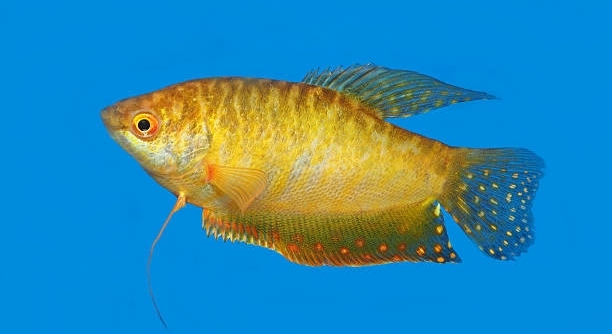
Do you ever find yourself feeding your gourami fish at the same time every day and wondering if they notice any changes?
Gourami can detect feeding time changes through a combination of learned behavior and environmental cues. These freshwater fish often develop routines and may show signs of anticipation when feeding schedules are altered.
From subtle shifts in swimming patterns to increased surface activity, understanding how your gourami reacts can help improve care and keep them feeling secure in their environment.
How Gourami Respond to Feeding Time Changes
Gourami are smart, observant fish that often follow a routine. When fed at the same time daily, they begin to expect food around that time. If their feeding schedule changes, they may act differently. You might notice them swimming near the top or pacing around the tank. These behaviors often happen when they are expecting food but don’t get it at the usual time. Over time, they connect patterns like lighting, movement near the tank, or sounds with feeding. So even small changes in routine can make them alert or unsettled. If the change happens often, they might slowly adjust, but they will still react each time. This shows they use memory and environment cues to understand their feeding schedule. Because of this, it’s helpful to stick to a routine as much as possible to keep them calm and healthy.
Even though they adapt, sudden or frequent changes in feeding time can cause mild stress and confusion in gourami.
Keeping a steady schedule helps promote consistent behavior and supports their natural rhythm. This also helps avoid any unnecessary tension in the tank, especially if other fish are involved. When changes are needed, try making them gradually.
Feeding Schedule Tips for a Healthy Gourami
Small habits can make a big difference in your gourami’s behavior and comfort.
A good feeding schedule for gourami includes feeding once or twice a day at the same time. Early morning and early evening are often ideal. Keep portions small—enough for them to finish in under two minutes. Overfeeding can lead to health issues and water quality problems. If you need to shift the feeding time, adjust it by 10–15 minutes daily over a few days. This helps them ease into the new routine without too much stress. Watch how they behave. If they start acting restless or less active, slow down the changes. Also, keep in mind that the lights in the room or tank play a role. Brightness changes can become signals they associate with food. Try to keep lighting and feeding patterns in sync. By being mindful and consistent, you help keep your gourami relaxed and thriving in their space.
Signs Your Gourami Notices the Change
If your gourami is aware of a schedule shift, you may see changes in behavior. They might become more active near feeding areas or swim up when they sense movement. These actions show anticipation.
You may also notice your gourami staying closer to the tank glass or following your movements more than usual. Some might show excitement by flaring fins or darting quickly toward the top when they think food is coming. These signs usually appear around the old feeding time, especially if you’ve been consistent before. When the new time comes and food appears, they will likely connect the dots over a few days. During this period, keep an eye out for stress indicators like hiding or avoiding food. These could mean the change is too sudden. A calm and curious gourami is a sign that they’re adjusting well to the new timing.
Consistency helps them feel safe. If signs like frantic swimming or skipping meals continue for more than a few days, consider returning to the old schedule or adjusting more slowly. Each fish reacts differently. Some respond quickly to change, while others take longer. It’s important to observe closely and make choices based on what you see. Watching their patterns will guide your next steps.
Creating a Stable Routine
A stable feeding routine builds trust between you and your gourami. They start to expect food at the same time, which helps reduce anxiety and keeps their digestion in balance. Sudden changes may throw them off and lead to restlessness.
To build consistency, pick feeding times that work well with your daily routine so you can stick to them long-term. Use a small scoop or spoon to keep portions the same each day. Feed in the same part of the tank to build a sense of place and timing. Turn on the tank light a few minutes before feeding to give them a gentle signal. Try not to skip feedings. If you’re going away, ask someone to help or use a reliable automatic feeder. The more regular their environment feels, the better their overall behavior and health will be. A calm gourami is more active, social, and responsive.
How Long It Takes for Gourami to Adjust
Most gourami adjust to a new feeding time within three to seven days. During this period, their behavior may change slightly as they try to understand the new routine.
You may notice them reacting earlier or later than usual for the first few days. This fades as they adapt.
Factors That Affect Adjustment
Several things can influence how fast your gourami adjusts. Age, temperament, tank environment, and past routines all play a role. Younger gourami often adapt faster, while older ones may need more time. A calm and quiet tank also helps reduce distractions. If the lighting, temperature, or water quality changes often, it may delay adjustment. Using the same signals, like turning on the light or approaching the tank before feeding, helps them recognize the pattern more easily. If other fish are in the tank, they might compete for food or react differently, which can also affect how smoothly the change goes. Watch for signs and adjust slowly if needed.
When to Reconsider the Change
If your gourami shows signs of stress or avoids food after several days, it may be best to return to the original schedule or slow the adjustment further.
FAQ
Can gourami go without food if the feeding time changes?
Yes, healthy adult gourami can go a day or two without food and usually won’t be harmed. If the feeding time changes but they are still being fed daily, they will adapt with time. Skipping meals occasionally is fine, but it’s best not to make it a regular habit. Younger or smaller gourami need more consistent feeding and may not handle gaps in their schedule as well. If a change in feeding time causes them to miss a meal, observe their behavior and feed as soon as you can to help maintain balance.
Do gourami get stressed from feeding time changes?
Yes, they can show mild stress if their routine changes suddenly. You might see behaviors like hiding, refusing food, or swimming erratically. These signs usually fade once they adjust, but if they continue for more than a week, the change might be too quick. To lower stress, shift their schedule gradually. Change feeding time in small steps, like 10–15 minutes per day, instead of making big jumps. A stable tank environment with low noise and steady lighting also helps reduce stress when routines shift.
How do I know if my gourami is adjusting well?
A gourami that is adjusting well will still eat, swim actively, and respond to your presence. It may come to the top or move toward the feeding area around the new time. If it remains calm and curious, that’s a good sign. It’s normal for them to be a little confused during the first few days, but they should return to normal behavior within a week. Watch for improved routines, steady appetite, and active swimming as clear signs they are adapting well to the change.
Is it better to feed once or twice a day?
Either once or twice a day works fine, depending on your schedule and the age of the fish. Feeding once a day is enough for most adult gourami, while younger ones benefit from two smaller meals. The key is not how often, but how consistent the timing and portion sizes are. If you choose twice a day, keep the meals at least six hours apart. This helps avoid overfeeding. Always remove uneaten food after a few minutes to keep the water clean and prevent digestive issues.
Can I use an automatic feeder if I change my schedule?
Yes, automatic feeders are a great option when you can’t feed your gourami at the usual time. Set it to dispense food at your desired schedule to keep things consistent. Make sure the feeder releases the right amount and type of food. Test it a few days before fully relying on it to ensure it works well and doesn’t clog. It’s also important to use food that stays fresh and won’t dissolve too quickly in water. Automatic feeders help prevent gaps and keep your gourami calm, especially during schedule changes.
What should I do if my gourami refuses to eat after a feeding time change?
First, check water quality to rule out environmental issues. If everything looks good, give it time. Some gourami skip a meal or two when confused by a schedule change. Try offering their favorite food or feeding at a quieter time of day. Avoid crowding the tank during feeding, and stick to the new schedule for a few days before making more changes. If they still avoid food after several days, consider going back to their old routine slowly. Monitor closely to ensure they don’t lose weight or show signs of illness.
How long does it take for a feeding pattern to become a habit?
Gourami can learn new routines within five to ten days if the changes are consistent. They pick up on patterns in their environment quickly. Using the same signals—like lights, your movement, or specific feeding tools—helps reinforce habits. Once a habit is set, they’ll begin to anticipate food and show excitement at the right time. Missing these signals or changing the pattern frequently can delay habit formation. Try to feed at the same spot and keep the tank environment steady to help reinforce the new schedule faster.
Final Thoughts
Changing your gourami’s feeding time can seem like a small thing, but it actually affects more than you might expect. These fish notice patterns and respond to them. When the timing of their meals shifts, they may act differently for a few days. Some might become more active or swim to the usual feeding spot at the old time. Others may seem a little confused. This is normal and usually does not last long. Most gourami adjust in a few days as long as the change is not too sudden or extreme. By keeping other things stable, like lighting and feeding amounts, the adjustment becomes easier for them.
Routine is important in a tank environment. Gourami feel more secure when things happen in a predictable way. A stable feeding time helps them stay calm and encourages healthy behavior. If you must change their schedule, do it in small steps. This helps reduce stress and makes it easier for them to understand what is happening. Watch their actions closely during this time. If they stop eating, hide more often, or show signs of stress, it may mean the change was too fast. In that case, slow things down or go back to the previous routine for a while. There’s no need to rush—what matters most is their comfort and well-being.
Feeding time is also a good way to bond with your gourami. Over time, they may recognize you and come to the top when you approach. This makes caring for them feel more rewarding. The more consistent you are, the more they trust their environment. In the long run, a simple and stable schedule makes life easier for both you and your fish. It supports their health, reduces stress, and helps you spot any problems early. So, while it’s fine to shift things when needed, always do it gently and with care. Paying attention to your gourami’s behavior and needs will help you keep them happy and thriving in their tank.

Hello,
If you enjoy the content that we create, please consider saying a "Thank You!" by leaving a tip.
Every little bit helps us continue crafting quality advice that supports the health, happiness, and well-being of pets around the world, for pets of all shapes, sizes, and species.
We really appreciate the kindness and support that you show us!