
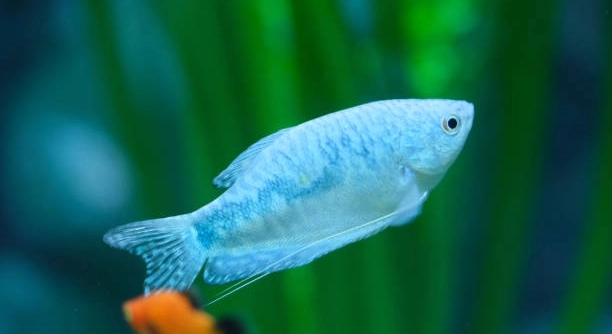
Is your gourami frequently dashing into the glass of its tank? This behavior can be alarming and confusing for many aquarium owners. Understanding why this happens is important for the health and comfort of your fish.
Gouramis often swim into glass due to stress, reflections, or territorial behavior. They may mistake reflections for other fish or feel confined in a small space, leading to repeated collisions. Addressing tank conditions can reduce this behavior effectively.
Learning about these causes can help you improve your gourami’s environment and well-being. This article will guide you through practical steps to prevent your fish from hurting itself.
Common Reasons Gouramis Dash Into Glass
Gouramis may dash into glass for several reasons. One major cause is seeing their reflection in the tank walls. They often mistake this for a rival fish, triggering aggressive or territorial behavior. Another factor is stress caused by overcrowding or poor water conditions, which can make them restless. Sometimes, the fish simply feel confined in a small tank and swim erratically, resulting in hitting the glass. Lighting can also increase reflections, making the problem worse. To prevent this, consider adjusting the tank setup, such as adding plants or decorations to break reflections and create hiding spots. Ensuring water quality is stable and the tank size is appropriate can reduce anxiety in your gourami, decreasing the likelihood of this behavior.
Reflection in the glass often leads to repeated collisions, especially if the tank has bright lighting or no visual barriers.
Taking simple steps to adjust the environment can improve your gourami’s comfort, reducing glass-dashing behavior significantly over time.
How to Reduce Glass Collisions
Reducing collisions requires creating a more natural and comfortable tank environment. Adding plants and decorations can block reflections and provide shelter, helping gouramis feel secure. Using dimmer or indirect lighting lowers the intensity of reflections on the glass surfaces. Regular water changes and monitoring water quality minimize stress that might cause erratic swimming. It is important to ensure the tank is large enough for your gourami to swim freely without feeling cramped. Avoid placing the tank where there is constant external movement or bright lights, which can increase agitation. Adjusting these factors creates a calmer space, which can greatly reduce the chance of your fish dashing into glass and potentially injuring itself.
Identifying Stress Factors in Gouramis
Stress can cause gouramis to behave unpredictably, including dashing into glass. Stress factors include poor water quality, sudden changes in temperature, overcrowding, and aggressive tank mates. These conditions disrupt the fish’s comfort and lead to nervous or frantic swimming.
Maintaining clean water with regular changes and monitoring parameters such as pH, ammonia, and nitrite levels helps reduce stress. Keeping the tank temperature stable and within the species’ preferred range is essential. Avoid overcrowding by providing enough space and selecting compatible tank mates to prevent aggression. Observing your gourami’s behavior regularly can help spot signs of stress early, allowing prompt action.
Stress causes fish to act erratically, which often leads to glass collisions. Eliminating stressors by improving the tank environment promotes calmer behavior and better overall health for your gourami.
Adjusting Tank Setup for Gouramis
Creating a safe environment starts with the right tank size and layout. A minimum of 20 gallons is recommended for a single gourami to have enough swimming space. Include live or artificial plants and decorations to reduce reflections and give hiding places. Position items strategically to break sightlines and lower stress.
Glass reflections can confuse gouramis, causing repeated dashing. Using a background on the tank or placing it away from direct sunlight can reduce reflections. Soft lighting helps maintain a peaceful environment. Adjusting the setup to suit your gourami’s needs not only prevents injuries but also encourages natural behaviors and improves their quality of life.
Feeding Habits and Activity Levels
Gouramis may become more active or restless around feeding times. Hunger can cause sudden bursts of movement, increasing the chance of collisions with glass. Maintaining a regular feeding schedule helps regulate their activity and reduces erratic swimming.
Overfeeding can also lead to stress and health issues. Offering small, frequent meals with balanced nutrition keeps gouramis satisfied and calmer throughout the day.
Using Tank Dividers or Visual Barriers
Adding tank dividers or visual barriers can prevent gouramis from fixating on their reflections. These barriers limit their view and reduce aggressive or startled behavior. Even simple decorations can serve this purpose effectively.
Monitoring Behavior Changes
Watch for sudden changes in swimming patterns or aggression. Early detection of stress or illness allows timely intervention to prevent harm.
When to Consult a Veterinarian
If collisions continue despite environmental changes, health problems may be involved. Consulting a fish veterinarian ensures proper diagnosis and treatment.
FAQ
Why does my gourami keep swimming into the glass?
Gouramis often swim into glass because they see their own reflection and mistake it for another fish. This can trigger territorial or aggressive behavior. Stress from poor water quality, overcrowding, or sudden changes in the tank can also cause erratic swimming. Additionally, bright lighting and lack of hiding places increase the chance of this behavior.
How can I reduce reflections in my gourami’s tank?
To reduce reflections, add plants and decorations that break up open spaces and provide hiding spots. Using a dark background or placing the tank away from direct sunlight helps limit reflections. Adjusting lighting to be softer or indirect also makes reflections less noticeable to your gourami.
Is tank size important for preventing glass collisions?
Yes, tank size plays a key role. Gouramis need enough room to swim comfortably. A small or overcrowded tank can cause stress and limit movement, increasing glass collisions. For most gourami species, a minimum of 20 gallons is recommended, but larger tanks are better for multiple fish.
Can stress cause my gourami to swim erratically?
Stress is a common reason for erratic swimming, including hitting the glass. Causes include poor water conditions, incompatible tank mates, sudden temperature changes, and overcrowding. Reducing stress by maintaining water quality and providing proper tank mates will help your gourami swim calmly.
Should I change the lighting to help my gourami?
Yes, changing the lighting can help. Bright or direct lighting increases reflections, which may confuse your gourami. Using softer, indirect lighting reduces glare on the glass. Turning off lights when not needed also gives your fish a more natural day-night cycle, promoting calmer behavior.
What should I do if my gourami is injured from hitting the glass?
If your gourami shows signs of injury such as torn fins, discoloration, or lethargy, improve tank conditions immediately. Keep the water clean and monitor closely. You may need to treat with antibacterial or antifungal medications to prevent infection. Isolate severely injured fish in a separate hospital tank if possible.
Can tank decorations really reduce glass collisions?
Yes, decorations help by blocking reflections and providing hiding places. Plants, rocks, or driftwood break up the fish’s line of sight, reducing confusion caused by reflections. They also create a more natural environment, which lowers stress and improves overall behavior.
How often should I clean my gourami’s tank?
Regular cleaning is essential to maintain water quality and reduce stress. Partial water changes of 20-30% every week or two keep ammonia and nitrate levels low. Clean the substrate and filter regularly, but avoid disturbing the tank too much at once, as sudden changes can stress your gourami.
Are some gourami species more prone to this behavior?
Yes, some gourami species are more territorial or active than others, increasing their chance of dashing into glass. For example, male gouramis are usually more aggressive, especially during breeding seasons. Knowing your specific species’ behavior helps tailor tank conditions to prevent issues.
Can adding tank mates reduce my gourami’s stress?
Introducing compatible tank mates can sometimes reduce stress by providing social interaction. However, incompatible or aggressive fish can increase stress and worsen the behavior. Choose peaceful species that share similar water needs and avoid overcrowding the tank.
What are signs that my gourami is stressed?
Signs of stress include rapid breathing, clamped fins, hiding excessively, loss of appetite, and erratic swimming. If your gourami is repeatedly hitting the glass, this is often a symptom of stress. Addressing the root causes will improve your fish’s health and behavior.
Is it normal for gouramis to swim fast and dash occasionally?
Short bursts of fast swimming can be normal, especially during feeding or play. However, constant or frantic dashing into glass is a sign of stress or discomfort. Observing the frequency and context of these movements helps determine if intervention is needed.
Can diet affect my gourami’s behavior?
Yes, a poor diet can cause health problems and stress, leading to erratic swimming. Feeding a balanced diet suitable for gouramis supports their energy levels and reduces stress-related behaviors. Avoid overfeeding, as this can cause water quality issues and further stress.
What should I do if environmental changes don’t stop the behavior?
If changes in tank setup, water quality, and lighting do not reduce glass collisions, consult a fish veterinarian. There may be underlying health issues such as parasites or neurological problems causing the behavior. Professional advice ensures correct diagnosis and treatment.
Can tank placement in the room affect gourami behavior?
Yes, placing the tank in a high-traffic or noisy area can stress gouramis. Constant movement or loud sounds nearby cause agitation and erratic swimming. Choose a quiet, stable location away from direct sunlight and drafts for your tank to provide a calm environment.
Are reflections the only reason gouramis dash into glass?
No, reflections are a common cause but not the only one. Stress, poor water quality, inappropriate tank size, sudden changes, and illness can all contribute. Addressing only reflections without considering other factors may not solve the problem.
How long does it take for gouramis to stop hitting the glass after changes?
Behavioral improvement depends on the cause and changes made. Some gouramis adjust within days after reducing reflections or stressors. Others may take weeks if health or environmental factors are involved. Patience and consistent care are key.
Is it safe to cover part of the tank glass?
Yes, partially covering the glass with paper or a background can reduce reflections and prevent collisions. Make sure to leave enough open space for proper viewing and airflow. This simple step often helps gouramis feel less threatened by their reflections.
Can stress cause long-term health problems for gouramis?
Chronic stress weakens the immune system and increases susceptibility to diseases. Constant collisions with glass can cause injuries and infections. Maintaining a stable, comfortable environment is crucial for your gourami’s long-term health and happiness.
Final Thoughts
Gouramis are sensitive fish that require a carefully maintained environment to thrive. When they dash into the glass, it often signals an issue that needs attention. This behavior is usually related to reflections, stress, or tank conditions. Identifying and addressing these factors early can help prevent injury and improve your fish’s overall well-being. Simple changes like adding decorations, adjusting lighting, or maintaining water quality can make a significant difference. Keeping the tank environment stable and comfortable is essential for reducing stress and promoting healthy behavior.
Taking time to observe your gourami’s behavior regularly provides important insights. Changes in swimming patterns or signs of aggression can indicate discomfort or illness. Acting quickly by improving water conditions or consulting a veterinarian can prevent more serious problems. The right tank size and proper feeding routine also play important roles in keeping gouramis calm. Overcrowding and poor nutrition are common causes of stress, leading to unwanted behaviors like glass dashing. Paying attention to these details will support your gourami’s health and happiness in the long term.
Consistent care and a peaceful environment are key for gouramis to feel secure. Avoiding bright reflections, reducing noise, and providing hiding places create a safe space for them to swim freely. While occasional bursts of energy are normal, repeated collisions with glass should never be ignored. Understanding your gourami’s needs and making necessary adjustments helps build a better home for your fish. This leads to a more enjoyable and rewarding experience for both you and your pet.

Hello,
If you enjoy the content that we create, please consider saying a "Thank You!" by leaving a tip.
Every little bit helps us continue crafting quality advice that supports the health, happiness, and well-being of pets around the world, for pets of all shapes, sizes, and species.
We really appreciate the kindness and support that you show us!