
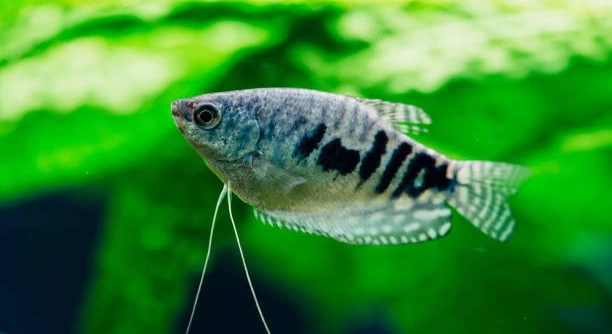
Gouramis are peaceful fish that often enjoy the company of others in their tank. When kept alone, they may show signs of missing their tankmates. Recognizing these signs helps ensure their well-being and happiness in a home aquarium.
Gouramis missing their tankmates typically exhibit changes in behavior such as lethargy, reduced appetite, or increased hiding. These indicators reflect their social nature and need for companionship, which plays a crucial role in their mental and physical health.
Knowing these signs can help you create a better environment for your gourami. Understanding their social needs improves their overall quality of life and keeps your aquatic friends thriving.
Sign #1: Your Gourami Is Less Active Than Usual
Gouramis are usually curious and enjoy swimming through plants or near the tank glass. When they miss tankmates, you may notice them becoming still or less playful. They might stay in one corner, move slowly, or stop exploring like they used to. This isn’t just them relaxing—it can be a clear sign of boredom or mild stress. Their energy often depends on their surroundings and interactions. When they’re alone too long, they can feel unsettled. A lack of activity over several days, especially paired with a healthy tank setup, can mean your gourami is feeling lonely or unstimulated. Observing this change can help you decide if it’s time to reintroduce a tankmate or change their environment. Regular movement is part of their healthy behavior, and noticing shifts early gives you a chance to make adjustments before deeper issues start.
Low activity levels can appear slowly. Watch for changes in how they move around each day.
Adding peaceful tankmates or providing more plants and decor may help boost their energy. Even small changes can make them feel more comfortable. Movement is a sign they feel secure and alert in their space, so keeping them active is important for their health.
Sign #2: They Hide More Than Usual
Gouramis hiding more often can be a reaction to feeling uneasy. In the absence of tankmates, they may retreat into plants, behind decor, or stay near the bottom. This behavior may look like shyness, but it’s often caused by stress.
If your gourami is used to being around other fish and suddenly finds itself alone, it may respond by staying hidden for longer periods. This change usually means they feel exposed or unsure of their environment. Without other fish to interact with, they may lack stimulation or feel vulnerable. Gouramis are not schooling fish, but they do enjoy a peaceful social setup. Providing visual shelter and low lighting might help temporarily, but long-term hiding usually points to a deeper issue. A healthy, well-adjusted gourami will explore its surroundings. So, if yours is hiding more than usual, it might be time to look at ways to make its space feel more secure or consider adding calm tankmates.
Sign #3: Loss of Appetite
A noticeable drop in appetite can be a sign your gourami is missing its tankmates. When fish feel lonely or stressed, they often eat less or ignore food altogether.
This loss of interest in food can affect their health quickly if not addressed. Gouramis rely on social cues from tankmates during feeding times, and without others, they may feel less motivated to eat. Stress caused by isolation can also suppress their appetite. It’s important to watch their eating habits closely because prolonged poor eating leads to weakness and makes them vulnerable to illness. Reintroducing calm, compatible tankmates or offering varied, enticing foods can encourage them to start eating normally again.
If your gourami skips meals or seems uninterested in treats it once loved, consider their social setup. Providing company or environmental enrichment can improve their feeding response and overall well-being.
Sign #4: Increased Aggression or Territorial Behavior
When gouramis lack tankmates, they sometimes become more aggressive or territorial toward their environment. This change often occurs because they have no social outlet for natural behaviors.
This aggression might show as chasing or flaring fins at reflections, plants, or even at you when near the tank. Without other fish to interact with, their energy can turn inward or become focused on defending perceived territory. This behavior can increase stress, making the fish more prone to injury or illness. Gouramis naturally establish territories but usually balance this with social interaction. When alone, they may feel the need to guard their space more intensely. Adding peaceful companions helps reduce this aggressive energy by allowing more natural social behavior. It also makes the tank environment less stressful, improving your gourami’s mood and health.
Understanding this behavior helps prevent long-term issues. Proper tankmates and a well-arranged environment provide necessary outlets for these natural instincts, reducing aggression.
Sign #5: Unusual Color Changes
Your gourami may show duller or faded colors when it misses tankmates. This shift happens because stress or loneliness affects its natural brightness.
Colors are a good indicator of a fish’s mood and health. When they feel lonely, gouramis often lose their usual vibrant hues. This color change can be subtle but noticeable over time.
Sign #6: Frequent Gasping at the Water Surface
Gouramis missing social interaction might gasp at the surface more often. This behavior can indicate stress or discomfort within their environment.
Frequent surface gasping may also relate to water quality issues, but combined with other signs, it points to the fish’s emotional state. Loneliness can cause restlessness, making them breathe harder. Ensure proper oxygen levels and consider adding tankmates to ease their stress.
Sign #7: Lack of Interaction with Owners
When gouramis miss tankmates, they may become less responsive to human presence. They might ignore you instead of approaching the glass.
This withdrawal is a sign of lowered interest or motivation. Your gourami might feel lonely or bored, which affects their usual social behavior toward people.
FAQ
Can gouramis live alone, or do they need tankmates?
Gouramis can live alone, especially some species like the dwarf gourami or the three-spot gourami, which are often kept solo in community tanks. However, being alone for long periods can affect their behavior and well-being. While they aren’t schooling fish like tetras or barbs, many gouramis still enjoy the presence of other peaceful fish. Having tankmates provides social stimulation and can reduce stress. If kept alone, they need plenty of enrichment like plants, hiding spots, and regular interaction with their owner to stay active and emotionally balanced.
What types of tankmates are safe for gouramis?
Choose peaceful fish that won’t nip fins or stress your gourami. Good options include corydoras, mollies, platies, harlequin rasboras, and certain types of tetras. Avoid aggressive or overly active fish like tiger barbs, which may cause stress or trigger defensive behavior. Also, don’t pair them with other male gouramis unless the tank is very large and has enough hiding spots to prevent territorial disputes. Female gouramis or peaceful bottom dwellers are often better companions. Matching temperaments is key to keeping a calm and healthy tank environment.
How long does it take for a gourami to show signs of loneliness?
Some gouramis may show signs within a few days, while others take longer. It depends on their temperament, age, and past environment. A gourami used to having companions may react quicker to being alone. You might notice reduced activity, hiding, or lack of appetite within the first week. If left alone long-term without enough enrichment, signs can grow more obvious and impact their health. Keeping an eye on subtle changes early helps you take action before the behavior becomes harder to reverse.
Is it okay to keep two male gouramis together?
Two males can live together, but only in the right conditions. The tank should be large, ideally over 30 gallons, with lots of plants and places to hide. Otherwise, males may become territorial and fight. Dwarf gouramis are a bit more tolerant than larger species, but it still depends on the individual fish. If you’re unsure, it’s safer to go with one male and one or two females or choose non-aggressive tankmates instead. Always watch their behavior during the first few days after introducing a new fish.
Do gouramis recognize their owners?
Yes, many gouramis learn to recognize their owners over time. They may swim to the front of the tank when you approach, especially if you feed them regularly. Some even follow your finger along the glass. But if your gourami starts ignoring you, this could be a sign of stress or sadness—often triggered by loneliness or boredom. Consistent interaction and a healthy environment can help build trust and keep your gourami more engaged with you.
Can a mirror help a lonely gourami?
A mirror can give temporary stimulation, but it should be used with caution. Gouramis may flare or display at their reflection, thinking it’s another fish. While this might seem like a form of interaction, it can also cause stress if used too long. Mirrors should only be shown for a few minutes at a time and not as a substitute for real tankmates or proper enrichment. It’s better as an occasional tool rather than a long-term solution.
How can I cheer up a lonely gourami?
Start by improving their environment—add live plants, soft lighting, and gentle water flow. Offer a mix of food they enjoy, like freeze-dried bloodworms or brine shrimp. You can also add peaceful tankmates or rearrange tank decor to create a new setting. Small changes can spark curiosity and boost their mood. Interact with them daily by feeding or just staying near the tank. Your presence, along with enrichment and the right companions, can make a big difference in how they feel.
Final Thoughts
Keeping a gourami healthy involves more than just clean water and good food. These fish also need the right kind of social setting to stay happy. While gouramis don’t need to be in big groups, many of them do better when they have calm and peaceful tankmates. When left alone for too long, they can start to act differently. You might notice changes like hiding more, swimming less, or not eating as much. These small signs can be easy to miss, but they matter. They show that your gourami might be feeling bored, stressed, or lonely. Watching your fish daily helps you spot these signs early so you can make helpful changes.
Sometimes a gourami can live alone and seem fine, especially if the tank has lots of plants and things to explore. But even then, it’s important to keep their environment interesting. You can move decorations around or add live plants to make things feel new. Feeding time is another chance to keep them active and alert. If your gourami is not showing interest in you or its food, that might mean it needs more social interaction. Adding the right tankmate, like a calm bottom-dweller or a peaceful schooling fish, can often bring out the best in your gourami. Just make sure the new fish won’t bother or outcompete it.
Caring for a gourami is about paying attention to both their physical and emotional needs. When they have the right space, good care, and maybe a few peaceful tankmates, they tend to stay bright, active, and curious. Every gourami is a little different—some enjoy company more than others. The key is to learn what your fish responds to and adjust the tank setup as needed. Creating a safe and balanced space takes time, but it helps your gourami live a calmer, more active life. A happy gourami is easy to spot—they’ll swim with ease, come up to the glass, and stay active throughout the day. Watching them thrive is one of the best parts of keeping fish.

Hello,
If you enjoy the content that we create, please consider saying a "Thank You!" by leaving a tip.
Every little bit helps us continue crafting quality advice that supports the health, happiness, and well-being of pets around the world, for pets of all shapes, sizes, and species.
We really appreciate the kindness and support that you show us!