
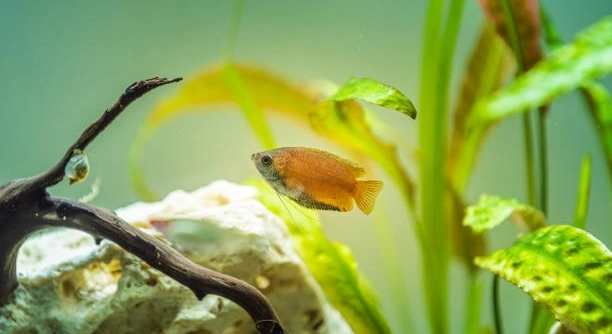
Gouramis are popular freshwater fish often kept in home aquariums for their bright colors and peaceful nature. However, they can face several environmental challenges that affect their well-being and longevity in captivity. Understanding these problems is essential for responsible care.
The primary environmental problems for gouramis include poor water quality, incorrect temperature, inadequate tank size, insufficient hiding places, improper diet, overcrowding, and stress from incompatible tank mates. Each factor significantly impacts their health and behavior, requiring careful management to prevent illness and promote a balanced habitat.
Recognizing these issues helps ensure gouramis thrive in captivity, contributing to their health and happiness. The following details explain each environmental concern and how to address them properly.
Poor Water Quality
Water quality is one of the most important factors affecting gouramis. These fish are sensitive to changes in water parameters such as pH, ammonia, nitrite, and nitrate levels. Poor water quality can cause stress, disease, and even death. It is important to regularly test the water and perform partial water changes to maintain a clean and stable environment. Uneaten food and waste can quickly pollute the tank, so removing debris and cleaning the substrate is necessary. Using a reliable filtration system helps keep toxins at low levels. Additionally, gouramis prefer slightly acidic to neutral pH, typically between 6.0 and 7.5. Sudden fluctuations in water chemistry can harm their health. Keeping the tank well-aerated and stable in temperature also contributes to better water quality. Regular maintenance is essential to prevent common illnesses linked to poor water conditions.
Poor water quality often leads to weakened immune systems in gouramis, making them vulnerable to infections.
Maintaining proper water conditions requires routine monitoring and cleaning. Water testing kits help track ammonia, nitrite, and nitrate levels. Performing weekly partial water changes of 20-30% supports a stable environment. Avoid overfeeding to reduce waste buildup. Clean filters as needed but avoid disturbing beneficial bacteria colonies. Keeping plants in the tank can also aid in water purification by absorbing excess nutrients. Proper water quality is crucial to prevent stress-related behavior and health problems, ensuring gouramis remain active and healthy.
Incorrect Temperature
Gouramis need a stable temperature range to thrive, usually between 74°F and 82°F (23°C to 28°C). Temperatures outside this range can cause stress and lower their resistance to diseases. Sudden changes in temperature are especially harmful.
Keeping the tank heater consistent helps avoid fluctuations that may shock gouramis.
Using a reliable aquarium heater with a thermostat is recommended. Place a thermometer in the tank to monitor temperature daily. Avoid placing the aquarium near windows or vents where temperature may change rapidly. If the room is cold, additional heating may be necessary to maintain a steady environment. Keeping temperature stable supports normal metabolism and behavior in gouramis, which reduces illness risk. If temperatures drop too low, gouramis may become lethargic and stop eating. Excessively high temperatures can decrease oxygen levels in the water, causing respiratory problems. Therefore, maintaining the right temperature is vital for their overall health and longevity.
Inadequate Tank Size
Gouramis need enough space to swim freely and establish territory. A small tank restricts their movement and can cause stress and aggression. For most gourami species, a minimum tank size of 20 gallons is recommended.
A cramped tank limits oxygen levels and increases waste buildup, which further harms gouramis. They require room to explore and hide. Without sufficient space, gouramis may show signs of stress such as hiding excessively, loss of appetite, or increased aggression toward tank mates. Providing an appropriately sized tank helps maintain their health and natural behaviors. Larger tanks also allow better filtration and stable water conditions, which are essential for long-term care.
Inadequate tank size can also stunt growth and weaken the immune system. Gouramis kept in small tanks tend to live shorter lives and are more prone to illness. When choosing a tank, consider the adult size of the gourami species and avoid overcrowding by limiting the number of fish. Adding plants and decorations will create hiding spots and reduce territorial disputes. Ensuring enough space improves the quality of life for gouramis and helps them thrive.
Insufficient Hiding Places
Gouramis need hiding places to feel secure and reduce stress. Without shelter, they become more vulnerable and less active, which can impact their health.
Hiding spots help gouramis escape aggression and establish territory. They prefer dense plants, caves, or decorations where they can retreat. When gouramis feel exposed, their stress levels increase, which can weaken their immune systems and lead to illness. Providing enough hiding places creates a comfortable environment that encourages natural behavior and reduces conflict with other fish.
Adding live plants like java fern or floating species improves the tank environment and offers shelter. Artificial caves or PVC pipes can also serve as safe retreats. Ensure hiding places are well distributed to prevent territorial fights. Regularly rearranging tank decorations can help maintain interest and provide new shelter options. A tank without proper cover often leads to restless, shy, or aggressive gouramis. Meeting this need is essential for their well-being.
Improper Diet
A balanced diet is crucial for gouramis to stay healthy and vibrant. Feeding them only flakes or pellets can lead to nutritional deficiencies. Variety is key.
Including live or frozen foods like brine shrimp and bloodworms improves their diet. Overfeeding should be avoided to prevent obesity and water pollution.
Overcrowding
Overcrowding stresses gouramis and leads to poor water quality. Too many fish in one tank increase competition for food and territory. This causes aggression and health issues. Keeping the tank population balanced helps maintain a peaceful environment and reduces disease risk.
Stress from Tank Mates
Gouramis can be stressed by aggressive or overly active tank mates. Compatibility is important to prevent bullying or injury. Choosing peaceful species ensures a calm and stable tank environment. Avoid housing gouramis with fin-nippers or large, dominant fish that may harm them.
What causes poor water quality for gouramis?
Poor water quality is usually caused by a buildup of waste, uneaten food, and decaying plant material. Without regular water changes and proper filtration, harmful substances like ammonia, nitrites, and nitrates accumulate quickly. Overfeeding and overcrowding also worsen water quality by increasing waste production. Inadequate cleaning of the tank and filter reduces the ability to maintain a stable environment.
How often should I change the water in my gourami tank?
A good practice is to change 20-30% of the water every week. This helps remove toxins and refresh the environment without stressing the fish. More frequent changes may be needed in crowded tanks or those without strong filtration. Using dechlorinated water at the same temperature as the tank helps avoid shock.
What is the ideal temperature range for gouramis?
Gouramis generally thrive in temperatures between 74°F and 82°F (23°C to 28°C). Staying within this range keeps their metabolism stable and immune system strong. Temperatures outside this range may cause stress or health issues.
How can I maintain a stable temperature?
Use a reliable aquarium heater with a thermostat and check the temperature daily with a thermometer. Avoid placing the tank near windows, vents, or direct sunlight where temperature can fluctuate. Consistent temperature supports overall fish health.
What tank size do gouramis need?
Most gourami species need at least 20 gallons of tank space. Larger tanks provide better water stability and room for swimming. Small tanks can cause stress, aggression, and stunted growth.
Can I keep multiple gouramis together?
You can keep several gouramis in a large enough tank with plenty of hiding places, but avoid overcrowding. Some species, like dwarf gouramis, are more peaceful, while others may show territorial behavior. Monitor interactions closely and separate if aggression occurs.
What types of hiding places work best for gouramis?
Dense live plants, floating plants, caves, and decorations provide good hiding spots. Gouramis use these to reduce stress and claim territory. Spread hiding places evenly to avoid fights.
What should I feed my gouramis?
A balanced diet includes high-quality flakes or pellets, supplemented with live or frozen foods like bloodworms, brine shrimp, or daphnia. Variety promotes health and natural behavior. Feed small amounts once or twice daily to avoid overfeeding.
Why do gouramis become aggressive?
Aggression often results from overcrowding, lack of hiding places, or incompatible tank mates. Territorial disputes can arise, especially among males. Stress from poor water quality or sudden changes may also increase aggression.
How do I reduce stress in my gouramis?
Maintain good water quality, stable temperature, proper tank size, and sufficient hiding places. Choose peaceful tank mates and avoid sudden environmental changes. Regular observation helps catch signs of stress early.
What diseases commonly affect gouramis?
Poor water conditions and stress can lead to diseases such as ich, fin rot, and bacterial infections. Symptoms include white spots, torn fins, lethargy, and loss of appetite. Early detection and treatment improve chances of recovery.
How can I prevent disease in gouramis?
Keep the tank clean, maintain stable water parameters, avoid overcrowding, and quarantine new fish before adding them. Provide a nutritious diet and reduce stress factors to strengthen their immune system.
Can gouramis live with other fish?
Yes, gouramis can live peacefully with many community fish like tetras, rasboras, and corydoras. Avoid fin-nippers or large aggressive species that may harm them. Compatibility depends on species temperament and tank setup.
What signs show that gouramis are healthy?
Healthy gouramis are active, have bright colors, clear eyes, and smooth fins. They eat regularly and swim confidently. Stress or illness may cause hiding, faded colors, or erratic behavior.
How often should I clean the tank and filter?
Clean the tank walls and substrate as needed to remove algae and debris. Rinse filter media gently in tank water monthly to preserve beneficial bacteria. Avoid harsh chemicals or over-cleaning, which disrupts the biological balance.
Is it normal for gouramis to breathe at the surface?
Yes, gouramis have a labyrinth organ allowing them to breathe air. Occasional surface breathing is normal, especially in low-oxygen environments. However, frequent gasping may indicate poor water quality or insufficient oxygen, requiring immediate attention.
Final thoughts on caring for gouramis emphasize the importance of maintaining a balanced environment to ensure their health and well-being. Gouramis are beautiful and relatively hardy fish, but they require specific conditions to thrive. Proper tank size, clean water, suitable diet, and appropriate tank mates all play critical roles in their care. Ignoring any of these factors can lead to stress, illness, and shortened lifespans. Paying close attention to the needs of gouramis can prevent many common problems and improve their quality of life.
Stress is a significant factor affecting gouramis’ health. Overcrowding, poor water quality, and lack of hiding places contribute to stress, which weakens their immune systems. This makes them more vulnerable to diseases and behavioral problems like aggression or lethargy. Regular maintenance, such as water changes and filter cleaning, along with careful monitoring of water parameters, helps reduce stress. Providing a peaceful environment with enough space and shelter encourages natural behaviors and promotes overall well-being.
Lastly, understanding gouramis’ diet and social needs is essential. A varied diet that includes high-quality flakes, pellets, and live or frozen foods supports their nutritional requirements and keeps them active. Compatibility with other fish species should be considered to avoid conflicts and ensure a calm tank environment. By focusing on these core aspects—water quality, tank size, diet, and social interactions—keeping gouramis healthy and happy becomes manageable. This approach benefits both the fish and the aquarist, resulting in a rewarding experience for all involved.

Hello,
If you enjoy the content that we create, please consider saying a "Thank You!" by leaving a tip.
Every little bit helps us continue crafting quality advice that supports the health, happiness, and well-being of pets around the world, for pets of all shapes, sizes, and species.
We really appreciate the kindness and support that you show us!