
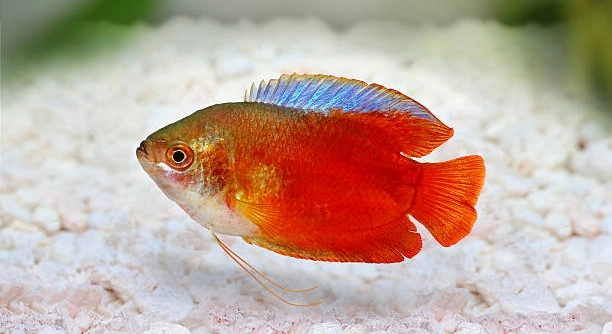
Gouramis are popular aquarium fish known for their beauty and calm nature. However, sometimes their behavior can indicate underlying emotional issues. It’s important to understand the signs that may point to depression in these fish.
Gouramis, like other fish species, can experience stress and depression due to various factors such as poor water conditions, lack of stimulation, or social isolation. Behavioral changes, such as lethargy and decreased appetite, are common signs of distress.
Addressing these behavioral changes can improve your Gourami’s well-being. Understanding what triggers these signs will help you take steps to create a healthier environment for your fish.
Common Signs of Depression in Gouramis
Gouramis, when depressed, may exhibit noticeable behavioral changes. These changes can include a lack of activity, abnormal swimming patterns, or hiding. If your fish is usually active but suddenly becomes lethargic or isolated, it’s a red flag that something may be wrong. Changes in their eating habits, such as refusing food, are also concerning signs. These behaviors can be the result of various factors, including poor tank conditions, stress from tank mates, or health issues. It is essential to monitor your Gourami closely to ensure their environment remains stable and conducive to their health.
Depressed Gouramis may also swim aimlessly, often near the surface or along the bottom of the tank. This kind of erratic movement can be a sign of both emotional and physical distress. If their water conditions are not ideal, it could worsen the situation.
Providing a stable environment with clean water and appropriate tank mates can help alleviate stress. Make sure the water temperature, pH levels, and filtration are consistent to reduce anxiety in your fish.
Causes of Depression in Gouramis
Stress is a leading cause of depression in Gouramis. They are sensitive to sudden changes in their environment, such as water temperature fluctuations or the introduction of new fish. Poor water quality can also cause stress. Ensuring regular water changes and maintaining the proper balance of chemicals in the tank is crucial for keeping your fish happy.
Tank mates can also contribute to their emotional well-being. Gouramis are peaceful fish, but when kept with more aggressive species, they may feel threatened. This can lead to stress and depression. Be mindful of the types of fish you house with your Gourami, as a compatible environment helps prevent behavioral issues.
Feeding habits are another factor that affects their mood. If your fish isn’t eating enough or is fed the wrong type of food, they may develop an unhealthy emotional state. A balanced diet is essential to keeping your Gourami active and healthy.
How to Spot Depression Early in Gouramis
If you notice your Gourami hiding more often than usual or avoiding social interaction with other fish, it could be a sign of depression. Lack of movement and unusual behavior, like floating near the bottom or top of the tank, are also red flags. If these behaviors persist, it is important to act quickly to prevent further health complications.
Changes in appetite are another early sign. If your fish suddenly refuses food or eats less than usual, it could indicate that something is wrong. Pay attention to how your Gourami reacts to feeding time. A healthy fish will actively approach the food and eat it without hesitation.
An easy way to monitor your Gourami’s health is by checking its physical appearance. A depressed fish might show signs of poor health, such as faded colors or ragged fins. This could indicate stress or an underlying issue that needs addressing. Regularly inspecting their condition ensures you catch any problems early.
What to Do When Your Gourami Shows Signs of Depression
When your Gourami shows signs of depression, the first step is to assess the water quality. Poor water conditions are a common cause of stress. Ensure that your tank’s temperature, pH, and ammonia levels are within the proper ranges. Regular water changes and a good filtration system are essential for keeping the environment stable.
Another important factor is the tank size and decoration. A cramped or poorly decorated tank can increase stress. Gouramis enjoy having space to swim and areas where they can hide when feeling insecure. Adding plants or caves can help provide a more secure environment, reducing anxiety.
If your fish shows no improvement, consider checking for possible illnesses. Stress often weakens the immune system, making Gouramis more vulnerable to disease. Consult an aquarium professional if symptoms persist, as they can guide you in diagnosing potential health issues.
Tank Environment and Its Role in Depression
The condition of your Gourami’s tank plays a crucial role in their mental health. Poor water quality, a lack of hiding spots, or overcrowding can lead to stress. It’s essential to maintain a stable environment to prevent these issues. Clean water, ample space, and adequate filtration are necessary.
Gouramis, being peaceful fish, can easily feel stressed if their tank feels chaotic. Providing areas for them to retreat, such as plants or decorations, can create a sense of security. Tank mates should also be peaceful to avoid causing stress, further contributing to your fish’s overall well-being.
Social Interactions with Other Fish
Gouramis are social creatures but can become stressed when placed with aggressive or territorial tank mates. They thrive in calm and peaceful environments, so it’s important to select fish that are non-aggressive. Stress from bullying can contribute to depression and other behavioral problems.
Maintaining a harmonious tank setup is key to ensuring that your Gourami stays healthy. Keep an eye on their interactions with other fish. If you notice signs of aggression, such as chasing or fin nipping, consider relocating aggressive tank mates to reduce stress levels in your Gourami.
Feeding and Diet
A proper diet is essential for the well-being of your Gourami. If your fish refuses food or shows disinterest in feeding, it’s often a sign of stress or depression. Ensure you’re providing a balanced diet with the right nutrients. Overfeeding or underfeeding can cause further health issues.
Proper feeding habits are crucial for maintaining your fish’s mental and physical health. Offering a variety of foods, such as pellets, flakes, or live food, can help keep your Gourami engaged and satisfied. A well-fed fish is more likely to be active and exhibit normal behavior.
FAQ
Can Gourami fish really get depressed?
Yes, Gourami fish can experience depression, primarily due to stress, poor water conditions, or environmental changes. These fish are sensitive to their surroundings, and when conditions aren’t ideal, they may exhibit signs of depression. This can manifest in behaviors like lethargy, reduced activity, and loss of appetite. It’s important to keep the tank environment stable and stress-free to prevent these issues.
What are the common signs of a depressed Gourami?
Depressed Gouramis often display behavioral changes such as lack of movement, hiding, and disinterest in food. They may swim aimlessly or float near the surface or bottom of the tank. Over time, they may also show physical signs, such as faded colors or ragged fins. If you notice these signs, it’s a signal to assess their environment and health.
How can I improve the mood of my depressed Gourami?
Improving the mood of your Gourami begins with creating a calm and stable environment. Ensure the water conditions, such as temperature, pH levels, and ammonia levels, are within the proper ranges. Regular water changes, proper filtration, and reducing tank overcrowding will help maintain a healthy habitat. Additionally, adding plants, caves, or decorations for hiding places can give them a sense of security. Lastly, ensure the tank mates are peaceful to avoid unnecessary stress.
What causes depression in Gourami fish?
Depression in Gouramis is often triggered by stress factors, including poor water quality, inadequate tank size, or aggressive tank mates. Other causes could include sudden changes in the environment, such as temperature fluctuations or water parameter imbalances. Social isolation can also play a role, as Gouramis are social fish that enjoy interacting with others. Overfeeding or underfeeding can contribute to their physical and mental well-being as well.
Can tank mates make a Gourami depressed?
Yes, tank mates can greatly affect a Gourami’s mental health. Gouramis are peaceful and can become stressed when placed with aggressive or territorial fish. If they feel threatened by other fish, it can lead to depression or anxiety-like behaviors. It’s important to choose tank mates that are compatible and peaceful to reduce the risk of stress.
How often should I change the water in a Gourami tank?
Water changes should be done regularly, at least 25-30% every two weeks. However, if the water conditions deteriorate quickly, more frequent changes may be necessary. Regular water testing for ammonia, nitrites, and nitrates is also essential to ensure the water quality stays optimal. A clean and stable environment is key to keeping your Gourami healthy and stress-free.
What should I feed a depressed Gourami?
Feeding a depressed Gourami involves offering a balanced and varied diet. High-quality pellets, flakes, and occasional live or frozen foods like brine shrimp or bloodworms can help. Make sure to feed in moderation to avoid overfeeding, which can lead to water quality issues. Pay attention to whether your Gourami eats or shows interest in the food, as changes in appetite can be a sign of stress.
Can depression in Gourami lead to illness?
Yes, prolonged stress or depression in Gouramis can weaken their immune system, making them more susceptible to illness. Stress lowers their ability to fight off infections, and their overall health may deteriorate. Addressing the root cause of their depression, such as poor water quality or an unsuitable environment, is essential to prevent sickness.
Can I prevent depression in my Gourami?
Yes, preventing depression in Gouramis is possible by maintaining a stable and comfortable environment. Ensure the water quality is consistently good by performing regular water changes and maintaining proper filtration. Provide plenty of hiding spaces, avoid overcrowding, and select peaceful tank mates to minimize stress. Additionally, monitor their diet to ensure they are getting enough nutrition.
How long does it take for a Gourami to recover from depression?
The recovery time for a Gourami depends on the cause of their depression and the actions taken to improve their environment. With proper care, some Gouramis may recover within a few days or weeks. However, if there is a more serious underlying health issue, recovery may take longer. Be patient and consistently monitor their behavior and health to ensure they are on the right path.
Can Gouramis live alone if they are depressed?
Gouramis can live alone, but they are social fish and often do better with tank mates, provided those tank mates are non-aggressive. If your Gourami is stressed due to the presence of other fish, placing them alone in a well-maintained tank can sometimes reduce stress. However, ensure the tank has enough space and hiding spots to make the Gourami feel secure.
Final Thoughts
Gourami fish, like many other species, can experience stress and depression when their environment isn’t suitable. The key to keeping your Gourami healthy and happy is maintaining a stable and peaceful tank. Providing clean water, proper filtration, and the right temperature are essential factors. It’s also important to monitor the behavior of your Gourami closely. If you notice signs of depression, such as a lack of appetite or unusual swimming patterns, it’s a sign that something in their environment might be off.
While stress and depression in Gouramis can be concerning, many of the issues can be fixed by addressing their surroundings. By making sure your tank has enough space, hiding spots, and compatible tank mates, you can reduce stress. Regular water changes and testing are necessary to keep the water quality high and reduce the risk of illness. Proper nutrition also plays a role in their mental and physical health. Offering a balanced diet and feeding them at the right times can ensure they stay active and healthy.
In conclusion, the mental health of your Gourami is largely influenced by their environment. By keeping the tank clean, providing a stable temperature, and ensuring peaceful relationships with tank mates, you can prevent most issues related to depression and stress. Always pay attention to changes in behavior and act quickly to correct any problems. By doing so, you’ll help your Gourami live a long and happy life in your care.

Hello,
If you enjoy the content that we create, please consider saying a "Thank You!" by leaving a tip.
Every little bit helps us continue crafting quality advice that supports the health, happiness, and well-being of pets around the world, for pets of all shapes, sizes, and species.
We really appreciate the kindness and support that you show us!