
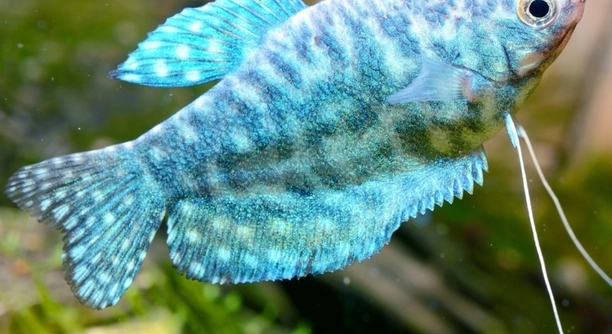
Gouramis are popular freshwater fish known for their vibrant colors and peaceful nature. Many aquarium enthusiasts enjoy watching them interact in their tanks. However, there are certain things that can bother these delicate fish and affect their well-being.
Gouramis become annoyed by factors such as poor water quality, lack of hiding places, aggressive tank mates, improper diet, sudden changes in environment, overcrowding, and excessive noise. These stressors can lead to health problems and behavioral issues in the fish.
Knowing what irritates your gourami helps create a calm and healthy environment. This guide will explain common annoyances and ways to keep your fish comfortable and happy.
Poor Water Quality
Maintaining clean water is one of the most important things for your gourami’s health. Dirty water with high ammonia or nitrite levels stresses your fish and can make them sick quickly. Even if the tank looks clean, harmful chemicals may be building up unnoticed. Regular water changes and testing help keep the environment safe. Filtration plays a big role in removing waste and toxins. Without proper filtration, these substances can reach dangerous levels. Also, avoid overfeeding since leftover food decomposes and pollutes the water. By paying attention to water quality, you help your gourami live longer and stay active. It’s a simple but essential step that makes a big difference in their comfort and behavior.
Poor water quality often causes lethargy, loss of appetite, and faded colors in gouramis.
Testing your water regularly with kits is a good way to spot problems early. Keep ammonia and nitrites at zero and nitrates low. Changing 20-30% of the water weekly helps maintain balance. Avoid crowding the tank, which can increase waste production. Using plants can also assist in filtering and oxygenating the water. If problems persist, check your filter and consider adding biological media. Healthy water promotes bright colors and natural activity, making your tank more enjoyable for both you and your gourami.
Lack of Hiding Spots
Gouramis need places to feel safe and relaxed. Without enough hiding spots, they become stressed and anxious.
A tank with plants, caves, or decorations offers shelter. These areas let gouramis rest and escape when they feel threatened. It reduces aggression and promotes natural behavior. Adding floating plants is a good way to mimic their natural habitat. Even simple decorations like small pots or PVC pipes work well. Changing the tank layout occasionally can also keep them interested and comfortable. When gouramis have space to hide, they show more confidence and better health. This is an easy way to improve their daily life and reduce stress.
Aggressive Tank Mates
Gouramis prefer peaceful companions in their tank. Aggressive or overly active fish can stress them out.
If your gourami shares space with aggressive species, it may hide constantly or become injured. Fish like barbs or large cichlids often bully gouramis. Selecting calm, similarly sized fish helps maintain harmony. Peaceful tank mates include small tetras or rasboras, which won’t threaten your gourami’s comfort. Monitor interactions regularly to catch early signs of aggression. If bullying occurs, rearranging the tank or separating fish can prevent harm. A calm community tank promotes healthy social behavior and reduces stress-related illness.
Providing plenty of hiding spots also eases tension when more assertive fish are present. If aggression persists, it may be necessary to move your gourami to a quieter tank. Ensuring peaceful company is key to their well-being and natural behavior.
Improper Diet
Feeding your gourami the wrong food can cause health problems. They need a balanced diet with protein and plants.
Gouramis thrive on high-quality flakes, pellets, and occasional live or frozen foods like brine shrimp or bloodworms. Avoid overfeeding, as leftover food pollutes the tank and harms water quality. Variety in their diet supports good health and bright coloration. Vegetables like blanched spinach or peas can be offered occasionally to provide fiber and nutrients. Feeding small amounts two to three times daily is ideal to prevent overeating.
It’s important to watch your gourami’s response to food. If they refuse to eat or appear bloated, adjust portions or try different foods. Proper nutrition supports immune function and longevity. A good diet makes your gourami active and colorful, improving your enjoyment and their quality of life.
Sudden Changes in Environment
Gouramis are sensitive to sudden changes in temperature or water conditions. Rapid shifts cause stress and illness.
Keep water temperature stable between 74–82°F. Avoid changing water or moving the tank abruptly. Gradual adjustments help gouramis stay healthy and calm.
Overcrowding
Too many fish in one tank leads to poor water quality and stress. Gouramis need space to swim and rest peacefully.
Overcrowding causes competition for food and hiding spots. It can trigger aggression and weaken immune systems. A properly sized tank and limited fish numbers help maintain balance and comfort.
Excessive Noise
Loud or constant noises near the tank disturb gouramis. Noise vibrations can make them nervous or hide frequently.
Place the aquarium away from speakers, busy rooms, or appliances. A quiet environment helps gouramis stay calm and display natural behaviors.
FAQ
What is the ideal tank size for gouramis?
Gouramis need enough space to swim comfortably and establish their territory. A tank of at least 20 gallons is recommended for a single gourami. For multiple gouramis or community tanks, 30 gallons or more is better to reduce stress and aggression. Providing enough room helps maintain good water quality and allows your fish to display natural behaviors.
How often should I change the water in my gourami’s tank?
Regular water changes are essential to keep the tank clean and safe. Changing about 20-30% of the water every week helps remove waste and harmful chemicals. If the tank is heavily stocked or the filtration is weak, more frequent water changes might be necessary. Always use dechlorinated water and match the temperature to avoid shocking your fish.
What foods are best for gouramis?
A varied diet works best. High-quality flakes or pellets made for tropical fish form the staple. Supplement with live or frozen foods like bloodworms, brine shrimp, and daphnia to provide protein and enrichment. Occasionally offer blanched vegetables such as spinach or peas for extra nutrients and fiber. Avoid overfeeding by offering small amounts two to three times daily.
Can gouramis live with other fish?
Yes, but choosing the right tank mates is important. Gouramis prefer peaceful, non-aggressive fish like tetras, rasboras, or Corydoras catfish. Avoid fin-nippers or very active species that might stress or harm them. Monitor the tank regularly to ensure all fish get along well and adjust the setup if needed.
How do I know if my gourami is stressed?
Signs of stress include hiding more than usual, loss of appetite, faded colors, and erratic swimming. They might also breathe rapidly or show signs of illness like clamped fins or spots. Stress often comes from poor water quality, aggressive tank mates, or sudden environmental changes. Addressing these issues quickly helps your gourami recover.
What temperature should gouramis be kept at?
Gouramis thrive between 74 and 82 degrees Fahrenheit (23-28°C). Keeping the water within this range supports their metabolism and immune system. Sudden temperature changes or temperatures outside this range can cause stress and make them vulnerable to diseases. Use a reliable heater and thermometer to maintain stable conditions.
Why does my gourami build bubble nests?
Male gouramis build bubble nests as part of their breeding behavior. They blow bubbles at the water surface to create a safe place for eggs. This behavior also indicates the fish is comfortable and healthy in its environment. Providing floating plants or calm water helps support bubble nest building.
How often should I clean the tank decorations and plants?
Cleaning decorations and plants every few weeks is usually enough. Use a soft brush or sponge to remove algae or debris gently without using soap or chemicals. Over-cleaning can remove beneficial bacteria, so keep the balance. Live plants should be trimmed as needed to keep the tank tidy and healthy.
What can cause sudden death in gouramis?
Sudden death often results from poor water quality, disease, or stress. Common issues include ammonia spikes, bacterial infections, or parasites. Overcrowding and aggressive tank mates also increase risks. Regular water testing, proper diet, and a calm environment reduce chances of sudden health problems.
How can I reduce aggression in gouramis?
Provide enough space, hiding spots, and compatible tank mates to reduce stress and aggression. Sometimes rearranging the tank or adding plants can break lines of sight between territorial fish. Avoid overcrowding and feeding evenly to prevent competition. If aggression continues, separating aggressive fish may be necessary.
When caring for gouramis, paying attention to their environment is very important. These fish are sensitive to many things that may seem small but can cause them stress. Keeping the water clean and stable is one of the most important steps. Regular water changes, good filtration, and checking water parameters help keep your gouramis healthy. Also, choosing peaceful tank mates and giving enough space prevents fights and stress. By watching for signs of discomfort, such as hiding or loss of appetite, you can quickly fix problems before they get worse.
Another key part of caring for gouramis is providing a proper diet. Feeding a variety of foods that meet their nutritional needs keeps them active and colorful. Avoid overfeeding because leftover food can pollute the water and cause health issues. Make sure to include live or frozen foods occasionally to give extra protein. Giving your gouramis places to hide also helps them feel safe and relaxed. Plants, caves, and decorations create a comfortable environment and reduce anxiety. When your gouramis have a calm space, they show better behavior and grow stronger.
Lastly, it is important to be patient and observant. Every gourami may act differently depending on its personality and tank conditions. Some may be shy, while others are more curious or bold. Watch how they react to changes in their tank and adjust care as needed. Avoid sudden changes in water temperature or tank setup, as these can upset your fish. Providing a stable, peaceful home helps gouramis live longer and enjoy better health. Taking these simple steps makes a big difference in the happiness of your fish and the enjoyment of your aquarium.

Hello,
If you enjoy the content that we create, please consider saying a "Thank You!" by leaving a tip.
Every little bit helps us continue crafting quality advice that supports the health, happiness, and well-being of pets around the world, for pets of all shapes, sizes, and species.
We really appreciate the kindness and support that you show us!