
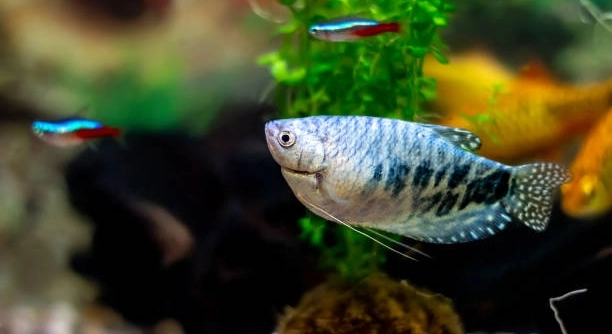
Gourami fish are known for their beautiful colors and peaceful nature, often making them a favorite for aquariums. If you’re a proud fish owner, you may wonder about their daily routine. One thing you might be curious about is whether or not gouramis sleep.
Gourami fish do sleep, but their sleeping habits are different from land animals. They typically rest during the night, becoming less active and staying close to a hiding spot. Gouramis can sleep either near the water surface or in a sheltered area.
Understanding their sleep patterns is important for their well-being and can help you spot any unusual behavior. Knowing when your gourami is resting can also allow you to provide a better environment for their health and happiness.
Understanding Gourami Sleep Patterns
Gouramis, like many fish, follow a natural rhythm that includes periods of rest and activity. They generally sleep during the night, although their sleep may not be as deep or long as other animals. Instead of lying still, gouramis might remain inactive and close to a hiding spot. You’ll notice that they stop swimming around, their colors may appear a bit duller, and they seem less interested in their surroundings. These fish are known to rest in specific areas, such as near plants, decorations, or the water’s surface. Understanding this pattern can help you recognize when your fish is resting or if there might be another issue at play.
While they don’t close their eyes like humans or land animals, gouramis have a natural resting phase that helps conserve energy. They don’t need to sleep for long hours, typically only a few hours at night. However, it’s still important to ensure they have a peaceful, stress-free environment to rest in. If their sleep patterns seem disrupted, it could be a sign of stress or poor tank conditions.
Gouramis are peaceful creatures that thrive in quiet, calm environments. To help them sleep properly, make sure their tank is set up with areas for them to hide and feel secure. Lighting plays a key role too. Gouramis sleep better in lower light, so avoiding bright lights late in the evening can encourage them to rest more comfortably. A well-maintained tank also reduces stress, helping them stay healthy. Keep an eye on their behavior, and you’ll notice when they are getting the rest they need.
Signs of a Gourami Not Sleeping
If your gourami seems restless or unusually active at night, it might be a sign something is off. Fish that don’t rest enough can show signs of stress or illness. This could be linked to factors like water quality or tank mates.
Gouramis need a stable environment, both physically and mentally, to sleep well. If the water temperature fluctuates too much, or if the water quality is poor, this can cause stress. Stressful conditions can lead to a lack of sleep and impact their overall health. Additionally, overcrowding or aggressive tank mates can also prevent gouramis from getting enough rest. They may swim around more than usual, trying to find a safer place to sleep or avoid other fish. If you notice your fish constantly swimming or seeming restless, consider adjusting their environment. Regular water changes and a check on tank conditions may help restore their sleep pattern.
How Gouramis Sleep in Their Natural Habitat
In the wild, gouramis tend to rest in areas that provide protection, such as dense plants or submerged objects. They don’t have a set “sleeping time” like many land animals but instead follow a pattern of reduced activity during night hours. This gives them a chance to rest and stay safe from predators.
Gouramis’ natural habitats often include calm waters, such as slow-moving rivers, ponds, or marshes. The quiet and sheltered nature of these environments allows them to sleep undisturbed. During the night, they usually remain still, relying on their ability to stay near the water’s surface or hidden in plant life to avoid threats. These rest periods are vital for conserving energy and maintaining overall health.
Unlike fish that may sleep on the bottom of the tank or in caves, gouramis prefer areas near the surface. They may position themselves near floating plants or close to the tank’s surface if they feel secure. Ensuring that your tank mimics their natural environment by including plants or other hiding spots can help them rest more comfortably.
How Tank Conditions Affect Gourami Sleep
Tank conditions play a major role in whether your gourami gets restful sleep. The temperature, water quality, and lighting in the tank directly impact their behavior and rest patterns. If any of these factors are off, they may not sleep as well.
A stable water temperature is essential. Gouramis are tropical fish that thrive in warm water, typically between 75°F and 82°F. If the temperature fluctuates too much, it can stress the fish and disrupt their sleep. Similarly, clean water is important; poor water quality can lead to skin irritation or respiratory issues, making sleep difficult. Regular water changes are key to maintaining good water conditions, helping your gourami feel safe and calm enough to rest properly.
Light cycles also affect sleep. Gouramis need a day-night cycle to regulate their internal clock. Ensure that your tank has a consistent lighting schedule with periods of darkness, as this mimics their natural environment and encourages restful sleep. Bright, continuous lighting can keep them alert and prevent them from entering a restful state.
Signs of Stress That Can Disrupt Sleep
Stress can greatly affect a gourami’s sleep. If they’re constantly active at night, this may be a sign they’re not getting enough rest. Overcrowding, aggression from tank mates, or sudden changes in their environment can lead to sleep disturbances.
If your gourami appears restless, it could also be due to changes in water quality or temperature. Ensure their tank has enough space for them to swim and hide. A stressed fish may also display erratic swimming patterns or seem more sensitive to changes in the tank. These behaviors can prevent them from resting properly.
Proper Diet and Rest for Healthy Sleep
A balanced diet helps maintain a gourami’s energy levels and overall health, promoting proper sleep. Feeding your fish high-quality food with the right nutrients will support their energy needs. Ensure they’re not overfed or underfed, as this can also affect their rest.
Overfeeding can lead to bloating or digestive issues, which may make it harder for your gourami to settle down. Offering varied meals, including both dry and live foods, can help keep them satisfied and healthy. When gouramis feel well-fed, they’re more likely to rest peacefully at night.
The Role of Tank Size in Sleep Quality
The size of your tank affects the comfort of your gourami, especially when it comes to sleep. If the tank is too small, the fish may feel cramped or stressed. Ensure they have enough space to swim around without feeling confined.
FAQ
Do gouramis need complete darkness to sleep?
No, gouramis don’t need complete darkness, but they do benefit from a night period of reduced light. A regular day-night cycle is essential for their well-being, so it’s important to turn off bright lights at night. A natural light cycle will help them rest and maintain a healthy rhythm. Some ambient light is fine, but avoid keeping the tank lit up throughout the night.
How long do gouramis sleep each night?
Gouramis generally sleep for several hours during the night, though their sleep might not be as long or as deep as that of land animals. They usually rest for about 4 to 6 hours. Their sleep is more about reducing activity and conserving energy than having a prolonged, deep sleep.
Can gouramis sleep during the day?
Yes, gouramis can sleep during the day, but they generally prefer to rest at night. During the day, they might reduce their activity and stay still for short periods, especially if they feel safe and secure. However, they tend to be more active during daylight hours.
Do gouramis close their eyes when they sleep?
Gouramis do not have eyelids, so they cannot close their eyes like humans or land animals. Instead, they rest with their eyes open. While they may not fully “sleep” in the traditional sense, their activity levels slow down, and they remain still during rest periods, giving the appearance of sleep.
How can I tell if my gourami is sleeping?
It’s easy to tell when a gourami is resting because they stop swimming around actively. Instead, they’ll remain in one spot, often near the surface or in a sheltered area like plants or decorations. Their colors may appear duller, and they may move slowly when they do swim. If your gourami is resting at the same time every night, it’s likely sleeping.
Is my gourami sick if it sleeps a lot?
Not necessarily. Gouramis, like many fish, will naturally rest for a few hours during the night. However, if your gourami is excessively inactive, swimming erratically, or showing other signs of stress or illness, it could be a sign of a problem. Look for other symptoms, such as changes in behavior, appetite, or external signs like lesions or discoloration.
Can poor water quality affect a gourami’s sleep?
Yes, poor water quality can impact a gourami’s ability to sleep. Dirty or polluted water can cause stress and discomfort, making it difficult for your fish to rest. Maintaining proper filtration, water changes, and regular checks for ammonia and nitrite levels will ensure your fish stay comfortable and healthy. If the water quality is poor, your gourami may become more active at night, unable to sleep properly.
Do gouramis sleep in hiding spots?
Yes, gouramis often sleep in sheltered areas where they feel safe. They may rest behind plants, decorations, or other hiding spots in the tank. Creating a tank environment with these features will allow your fish to sleep comfortably, mimicking their natural habitat. They prefer peaceful spots to rest undisturbed, so ensure your gourami has enough hiding places to relax.
Can gouramis sleep with other fish?
Gouramis can sleep with other fish, as long as the tank is set up to allow peaceful interactions. It’s important to avoid aggressive tank mates, as this can cause stress and disrupt sleep. If you have other fish in the tank, make sure there are plenty of hiding spots so all your fish can sleep peacefully without feeling threatened.
What can I do to help my gourami sleep better?
To help your gourami sleep well, ensure the tank environment is peaceful and stress-free. Provide hiding spots, maintain stable water conditions, and avoid bright lights during the night. It’s also important to keep the water temperature stable and avoid overcrowding. A calm tank will encourage your gourami to rest more comfortably.
Why does my gourami swim around at night?
If your gourami swims around at night instead of resting, it could be due to several factors. Stress from poor water quality, inappropriate tank mates, or temperature fluctuations can cause restlessness. Additionally, they might be searching for a safer or more comfortable place to sleep. Try improving their environment and ensuring they have plenty of hiding spots to reduce nighttime activity.
How do I know if my gourami is stressed?
Signs of stress in gouramis include unusual swimming behavior (such as swimming frantically or staying near the surface), loss of color, or hiding for extended periods. Stress can be caused by many factors, including poor water quality, sudden changes in the environment, or aggression from other fish. Monitoring their behavior closely and maintaining a calm, clean tank will help reduce stress.
Final Thoughts
Understanding the sleep patterns of your gourami is essential for ensuring they stay healthy and comfortable. Like most fish, gouramis do sleep, though their rest might not look the same as it does for land animals. They typically reduce their activity during the night and may stay still near the surface of the water or in sheltered areas. While they don’t close their eyes, their behavior will change, and they may appear less active and more relaxed. Knowing this helps you keep track of whether your gourami is getting the right amount of rest and if any issues might be affecting their sleep.
Tank conditions play a big role in helping your gourami sleep well. Ensuring that your tank has clean water, proper temperature, and a light cycle that mimics day and night is crucial. Gouramis are sensitive to changes in their environment, and poor water quality or unstable temperatures can cause stress, leading to restless nights. Providing hiding spots and plants in the tank also helps them feel secure, allowing them to sleep without feeling threatened. If you notice any changes in your gourami’s behavior, it’s important to check their environment to ensure everything is in order.
In the end, providing the right conditions for your gourami’s sleep can improve their overall health and well-being. By paying attention to their sleeping habits and making sure they feel safe, you’re helping them thrive in their tank. If you ever notice any unusual behavior or disrupted sleep patterns, it’s worth investigating the cause and adjusting their environment to better suit their needs. With the right care, your gourami can enjoy a restful, healthy life.

Hello,
If you enjoy the content that we create, please consider saying a "Thank You!" by leaving a tip.
Every little bit helps us continue crafting quality advice that supports the health, happiness, and well-being of pets around the world, for pets of all shapes, sizes, and species.
We really appreciate the kindness and support that you show us!