
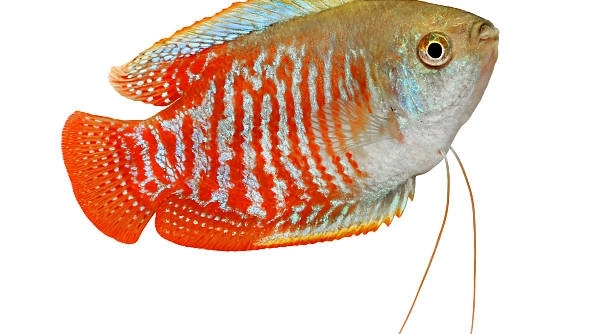
Gouramis are known for their shy behavior, often hiding in aquarium plants or decorations. This trait can leave fishkeepers wondering why these colorful fish prefer to stay out of sight most of the time. Understanding their behavior can improve their care and environment.
Gouramis tend to hide due to their natural instincts for safety, territorial behavior, stress from tank conditions, and the need for comfortable hiding spots. These factors combined explain why gouramis frequently seek shelter in their habitats.
Learning more about these reasons will help you create a better home for your gourami and ensure they feel safe and comfortable in your aquarium. This knowledge benefits both new and experienced fishkeepers alike.
Natural Instincts and Safety
Gouramis come from slow-moving rivers and ponds where hiding is a key survival skill. In the wild, staying hidden helps protect them from predators. Even in an aquarium, these instincts remain strong. They look for places to feel safe and avoid threats. Plants, rocks, and decorations offer perfect spots for gouramis to rest without being seen. This hiding behavior helps reduce their stress and makes them feel more secure. When gouramis feel exposed or vulnerable, they tend to retreat more often. Tank setups that lack enough hiding places can make gouramis stay hidden almost all the time, which might worry their keepers. Providing ample cover is important so gouramis feel confident to explore and swim freely.
Gouramis’ instinct to hide is a natural way to protect themselves and reduce stress in their environment.
Making sure your tank includes plenty of plants and shelters can help your gouramis balance hiding and exploring. This improves their well-being and lets you enjoy watching their unique behaviors more often. Even a few well-placed hiding spots can make a big difference in how comfortable they feel. When gouramis trust their environment, they gradually spend more time in open areas. Offering calm lighting and gentle water flow also helps them feel safe. Your patience and careful tank setup will encourage gouramis to show their colors instead of staying hidden. Understanding their need for safety creates a more peaceful aquarium experience for both you and your fish.
Territorial Behavior
Gouramis are territorial fish, especially males during breeding times. They guard certain areas in the tank to keep others away. This behavior causes them to hide or stay near their claimed space. When other fish invade their territory, gouramis may become stressed or shy. Proper tank size and layout can reduce these tensions by giving each fish enough room. Creating separate zones with plants or decorations can help gouramis feel less threatened. This lowers their need to hide and makes the tank environment more peaceful overall.
Territorial instincts make gouramis protect their space, which leads to more hiding and cautious behavior.
Stress and Environmental Factors
Stress is one of the main reasons gouramis hide. Changes in water quality, temperature, or tank mates can make them feel unsafe. Loud noises or sudden movements outside the tank also add to their stress. A stressed gourami will stay hidden more often to avoid danger.
Poor water conditions can quickly affect gouramis’ health and behavior. Ammonia, nitrites, or incorrect pH levels create discomfort, causing them to seek shelter. Keeping the tank clean and stable is essential for their well-being. Stress from aggressive tank mates or overcrowding can also push gouramis into hiding. Choosing compatible fish and giving enough space reduces tension. Observing your gouramis regularly helps spot stress early so you can make changes before problems worsen.
Stable water and a calm environment encourage gouramis to feel safe and explore. Without stress, they become more active and visible.
Need for Comfortable Hiding Spots
Gouramis rely on well-placed hiding spots to feel secure. They prefer dense plants, caves, or decorations where they can easily retreat. If the tank lacks these spots, gouramis will hide in corners or behind equipment.
Providing cozy shelters mimics their natural environment, giving gouramis peace of mind. They use these places to rest, sleep, or escape when overwhelmed. Different gourami species may have specific hiding preferences, but most appreciate dense foliage. When hiding spots are comfortable and plentiful, gouramis feel less threatened and show more natural behavior. Observing their favorite spots helps you adjust the tank layout for their needs. Even simple additions like floating plants or PVC tubes improve their comfort. A well-arranged tank supports gouramis’ health by reducing anxiety and encouraging activity. Creating a safe space helps gouramis thrive in captivity and enjoy a balanced life.
Shyness and Personality Traits
Gouramis are naturally shy fish, especially when introduced to a new environment. They take time to adjust before becoming more comfortable and visible.
Each gourami has its own personality. Some are bolder, while others stay hidden longer. Patience helps them settle.
Low Light Preferences
Gouramis prefer dimmer lighting because it makes them feel safer. Bright lights can cause them to retreat and hide. Soft, indirect light encourages them to explore and be more active. Adjusting the tank lighting to suit gouramis’ needs creates a calmer environment where they feel less threatened and more willing to show themselves.
Feeding Time Behavior
Gouramis often come out of hiding during feeding, but some remain cautious. Their natural wariness makes them watch for danger even when food is available. Creating a quiet, calm feeding routine can encourage shy gouramis to become more confident and engage during mealtime.
Why do gouramis hide all the time?
Gouramis hide mainly because it is part of their natural survival behavior. In the wild, hiding keeps them safe from predators. Even in a tank, this instinct remains strong. Stress, poor water conditions, and lack of hiding spots also make gouramis retreat. They feel vulnerable when the environment feels unsafe or overcrowded, so hiding helps them feel secure.
How can I make my gourami less shy?
To help your gourami become less shy, create a calm and stable tank environment. Add plenty of plants and decorations for safe hiding spots. Keep water conditions clean and steady. Avoid sudden movements or loud noises near the tank. Feeding them gently and regularly also builds trust over time, encouraging them to be more visible.
Is it normal for gouramis to hide most of the day?
Yes, it is normal for gouramis to spend a lot of time hiding, especially if they are new or stressed. They naturally prefer quiet and covered areas to feel safe. Over time, as they adjust to their tank and feel more secure, they often become more active and visible.
Can tank mates affect gourami hiding behavior?
Definitely. Aggressive or overly active tank mates can stress gouramis, causing them to hide more. It’s important to choose peaceful fish that won’t chase or bully gouramis. Providing enough space and hiding places also reduces competition and stress, helping gouramis feel comfortable.
What kind of hiding spots do gouramis prefer?
Gouramis prefer dense plants, caves, or decorations that offer shelter and cover. Floating plants and broad leaves are favorites because they mimic their natural habitat. Providing different types of hiding places lets gouramis choose where they feel safest. This variety keeps them happy and less stressed.
Does lighting affect gourami behavior?
Yes, lighting has a big impact. Gouramis feel safer in dim or soft light and may hide if the tank is too bright. Using adjustable or low-intensity lighting helps gouramis stay relaxed and encourages them to explore more during the day.
Why do gouramis hide more after being introduced to a new tank?
New environments can be overwhelming and stressful for gouramis. They hide to protect themselves while they learn their surroundings. It usually takes a few days or weeks for gouramis to adjust. Giving them a quiet space with plenty of hiding spots speeds up this process.
Can poor water quality cause gouramis to hide?
Poor water quality causes discomfort and stress, leading gouramis to hide more. High ammonia, nitrites, or incorrect pH levels can make fish feel unsafe. Regular water testing and maintenance are key to keeping gouramis healthy and confident.
Is hiding a sign of illness in gouramis?
While hiding is normal, excessive hiding combined with other signs like loss of appetite, lethargy, or unusual swimming could indicate illness. Observing your gouramis carefully helps catch health problems early so treatment can begin quickly.
How often should I clean the tank to reduce gourami hiding?
Regular tank maintenance is essential. Partial water changes every one to two weeks keep water clean and stable. Cleaning filters and removing waste prevent harmful buildup. A clean, healthy environment lowers stress and encourages gouramis to come out of hiding more often.
Can gouramis be social and still hide a lot?
Yes, gouramis can be social fish but still prefer hiding when feeling unsure. They may interact during feeding or when they feel safe but retreat when they need rest or protection. Providing a balanced environment supports both their social and solitary needs.
What should I do if my gourami never stops hiding?
If your gourami hides constantly, check water quality, tank mates, and hiding spots first. Make sure the tank is peaceful and well-planted. If everything seems fine but the behavior continues, it might be stress or illness, and consulting a fish expert or vet could help. Patience is important since some gouramis are naturally shy.
Gouramis are naturally shy and cautious fish, so it is normal for them to spend a lot of time hiding. Their instinct to find safe places helps protect them from perceived threats, even in the calm environment of a home aquarium. Understanding this behavior makes it easier to care for them properly. Instead of worrying when your gourami hides, it is helpful to see it as a way they manage stress and feel secure. Providing a tank that mimics their natural habitat with plenty of plants and hiding spots supports their need for safety.
Taking care of the tank environment is very important to help gouramis feel comfortable and reduce their hiding time. Stable water quality, suitable tank mates, and a quiet area without sudden disturbances all play a role in their behavior. Gouramis also prefer dim lighting and calm surroundings, which can encourage them to come out more often. Watching your gourami’s behavior closely helps you notice when something might be wrong, such as illness or poor water conditions, so you can take action quickly. Small changes to the tank setup and routine can have a big impact on your gourami’s confidence and overall health.
Patience is key when dealing with gouramis that hide a lot. Each fish has its own personality and timeline for adjusting to new environments. Over time, as they grow used to their tank and feel safe, they will likely spend more time swimming openly and interacting with their surroundings. Offering regular feeding, gentle care, and a well-planned tank setup shows your gourami that it can trust its home. This trust helps them relax and enjoy a balanced life in your aquarium. By respecting their natural behavior and providing a supportive environment, you can enjoy the beauty and peaceful nature of gouramis even if they prefer to stay hidden sometimes.

Hello,
If you enjoy the content that we create, please consider saying a "Thank You!" by leaving a tip.
Every little bit helps us continue crafting quality advice that supports the health, happiness, and well-being of pets around the world, for pets of all shapes, sizes, and species.
We really appreciate the kindness and support that you show us!