
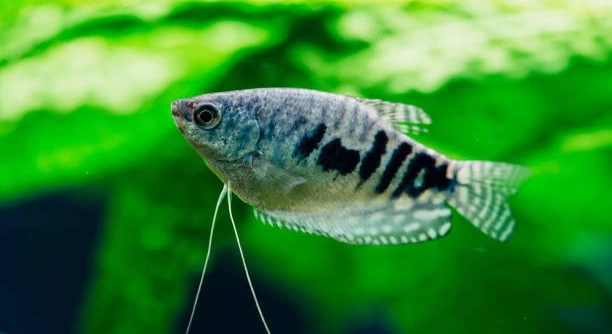
Gouramis and shrimp are popular choices for freshwater aquariums due to their attractive appearance and interesting behaviors. Many aquarium enthusiasts consider housing them together for a more diverse and lively tank environment. Understanding their interaction is important before combining them.
Gouramis can coexist with shrimp under certain conditions, including providing ample hiding spaces and monitoring the gouramis’ behavior closely. Some gourami species may prey on shrimp, but peaceful species with proper tank management reduce risks significantly.
Knowing how to create a safe environment benefits both species and helps maintain a balanced aquarium. This article will explore key factors to consider for a successful gourami and shrimp setup.
Understanding Gourami Behavior
Gouramis vary widely in temperament depending on the species. Some are peaceful, while others may show aggression toward smaller tank mates like shrimp. Generally, dwarf gouramis and honey gouramis are calmer and less likely to bother shrimp. Larger species, such as three-spot gouramis, tend to be more territorial and may see shrimp as food. Gouramis use their labyrinth organ to breathe air, which makes them more active near the water’s surface. Their activity level can influence how often they interact with other tank inhabitants. When introducing shrimp, it’s essential to observe gouramis closely for signs of aggression. Providing a tank environment with plenty of plants, caves, and hiding places helps reduce stress and potential predation. Shrimp feel safer when they have spaces to retreat to, and gouramis are less likely to chase or hunt them if their territory feels well-established. The key is balancing the natural behaviors of gouramis with the needs of shrimp.
Shrimp survival depends on matching the right gourami species and tank setup. Careful observation during the initial weeks is critical to ensure coexistence.
Creating a peaceful environment means minimizing stress and competition. Plants like Java moss and floating species offer excellent hiding spots for shrimp. Additionally, feeding gouramis well reduces their interest in shrimp as food. Monitoring water quality and maintaining stable conditions further supports the health of both gouramis and shrimp. It is advisable to introduce shrimp first, giving them time to settle and establish territory before adding gouramis. If aggression arises, separating the species quickly prevents losses. Balancing the tank with proper stocking levels helps maintain harmony, so overcrowding is avoided. With these considerations, gouramis and shrimp can share a tank successfully.
Tank Setup Tips for Coexistence
A well-planned tank setup is essential for gouramis and shrimp to live together peacefully. Shrimp need places to hide, especially when they molt and become vulnerable.
Using dense plants, driftwood, and rock structures creates secure shelters. Floating plants reduce light intensity, making shrimp feel safer. The tank should have gentle water flow since gouramis prefer calmer waters, which also benefits shrimp. Regular maintenance keeps water parameters stable, preventing stress for all aquatic life. Using a sponge filter avoids shrimp being sucked in, while providing adequate oxygen. Feeding both species separately ensures gouramis stay full and less likely to prey on shrimp. Consistent observation during the first weeks reveals if the balance is right or if adjustments are needed. Overall, a thoughtfully arranged tank increases the chances that gouramis and shrimp can coexist without problems.
Feeding Gouramis and Shrimp Together
Feeding both gouramis and shrimp properly is essential to reduce aggression and competition. Gouramis should receive enough food to keep them satisfied, minimizing their interest in shrimp.
Offering a varied diet to gouramis, including flakes, pellets, and frozen foods, ensures they get sufficient nutrition. Shrimp mainly feed on algae and biofilm, but supplementing with specialized shrimp pellets or blanched vegetables helps keep them healthy. Feeding gouramis first allows them to focus on their food and not hunt shrimp. Uneaten food should be removed to maintain water quality, which is important for both species. Monitoring feeding habits closely can prevent issues such as overfeeding or aggression related to hunger.
Shrimp also benefit from scattered feeding to prevent gouramis from dominating the food supply. Using sinking pellets for shrimp allows them to feed at the bottom without competition. Feeding multiple times a day in small portions helps maintain balance and reduces stress for all tank inhabitants. This careful feeding routine supports peaceful coexistence and healthy growth.
Monitoring Behavior and Adjusting
Regularly observing interactions between gouramis and shrimp helps detect early signs of stress or aggression. Noticing changes quickly allows timely adjustments.
If gouramis begin chasing or harming shrimp, it may be necessary to increase hiding spots or reduce gourami numbers. Sometimes, separating species temporarily is required for shrimp survival. Water parameters should also be checked frequently to ensure a stable environment, as stress can increase aggressive behavior. Patience and consistent observation help maintain a peaceful tank. Adjustments like rearranging plants or changing feeding times may improve harmony. Tracking behavior helps maintain a balanced community where both gouramis and shrimp can thrive.
Common Challenges in Keeping Gouramis With Shrimp
One common challenge is the risk of gouramis preying on shrimp, especially during molting when shrimp are vulnerable. Another issue is territorial behavior, which can cause stress and hiding.
Stress in shrimp can lead to poor health and molting problems. Gouramis may become aggressive if the tank is overcrowded or lacks sufficient hiding spots.
Best Shrimp Species to Keep With Gouramis
Amano shrimp and ghost shrimp are larger and more robust, making them better suited for tanks with gouramis. Smaller shrimp like cherry shrimp are at higher risk of being eaten.
Choosing hardy shrimp species increases the chances of peaceful coexistence. These shrimp adapt well to shared environments and use hiding spaces effectively.
Water Parameters to Maintain
Stable water temperature between 72°F and 78°F is ideal. pH should be kept neutral to slightly acidic, around 6.5 to 7.5.
Signs of Stress in Shrimp
FAQ
Can gouramis and shrimp live together peacefully?
Yes, gouramis and shrimp can live together peacefully if the tank environment is properly set up. It is important to choose peaceful gourami species, provide plenty of hiding spots for shrimp, and monitor their behavior regularly. A balanced diet and stable water conditions also support coexistence.
What gourami species are safest with shrimp?
Smaller and calmer gouramis, like dwarf gouramis and honey gouramis, are generally safer choices. These species are less aggressive and less likely to view shrimp as prey. Avoid larger or territorial gouramis, such as three-spot gouramis, when keeping shrimp.
How can I protect shrimp from being eaten by gouramis?
Provide dense plants, rocks, and hiding places where shrimp can retreat, especially during molting. Feeding gouramis adequately reduces their hunting behavior. Introducing shrimp first allows them to establish territory and avoid early attacks.
What kind of shrimp is best for a gourami tank?
Amano shrimp and ghost shrimp are better suited for tanks with gouramis because of their larger size and hardiness. Smaller shrimp like cherry shrimp are more vulnerable to predation and require more careful monitoring.
How often should I feed gouramis and shrimp?
Feed small portions multiple times a day. Gouramis should receive a varied diet of flakes, pellets, and frozen food, while shrimp benefit from algae, biofilm, and occasional vegetables or shrimp-specific pellets. Removing uneaten food helps maintain water quality.
What water parameters are ideal for gouramis and shrimp?
Keep the temperature between 72°F and 78°F, with a pH around 6.5 to 7.5. Stable water parameters reduce stress and promote healthy behavior. Regular water changes and proper filtration are essential.
What signs indicate gouramis may be stressing shrimp?
Shrimp hiding constantly, reduced activity, or missing shrimp after molting may indicate stress or predation. Gouramis chasing shrimp or showing increased aggression are signs that adjustments are needed in the tank.
Can shrimp survive molting with gouramis in the tank?
Shrimp are most vulnerable during molting. Providing ample hiding spots is crucial. If aggression is high, temporary separation during molting periods may be necessary to ensure shrimp survival.
Is it necessary to separate gouramis and shrimp if aggression occurs?
Yes, if gouramis are consistently aggressive or harming shrimp, separation is advised. This prevents losses and reduces stress. After adjustments like adding more hiding places or changing species, reintroduction can be considered cautiously.
How can I maintain a balanced tank with both species?
Stock the tank properly, avoid overcrowding, and keep water quality high. Provide a variety of food and sufficient hiding spaces. Monitor behavior regularly and make changes as needed to keep harmony in the aquarium.
Are there any behaviors in gouramis to watch out for?
Territorial displays, chasing, or nipping at shrimp signal potential problems. Calm and peaceful gouramis rarely show these behaviors. Early detection helps prevent harm to shrimp.
Can gouramis and shrimp reproduce in the same tank?
Shrimp reproduction is possible if conditions are right, but gouramis may eat the young shrimp. Creating safe spaces and dense plants helps baby shrimp survive. Gouramis typically do not reproduce with shrimp.
What should I do if shrimp population declines?
Check for signs of aggression or stress, improve hiding spots, and review feeding routines. Ensure water parameters are stable. If problems persist, consider separating species temporarily to protect shrimp.
Do gouramis and shrimp compete for food?
They may compete if food is limited. Feeding gouramis first and scattering food for shrimp helps reduce competition. Providing a balanced diet for both prevents hunger-driven aggression.
Can I keep other fish with gouramis and shrimp?
Yes, but choose peaceful fish that do not prey on shrimp. Avoid aggressive or large predatory fish. Always research compatibility before adding new species to the tank.
How often should I clean the tank with gouramis and shrimp?
Regular maintenance is key. Weekly partial water changes of 20-30% keep water clean without disturbing shrimp. Cleaning should be gentle to avoid stressing shrimp and disturbing their hiding spots.
What equipment is best for a gourami and shrimp tank?
Use a sponge filter to prevent shrimp from being sucked in. Gentle water flow supports gouramis’ preference for calm water. Heaters and stable lighting also contribute to a healthy environment.
Can gouramis cause stress to shrimp without attacking them?
Yes, even without direct attacks, active or territorial gouramis may stress shrimp by chasing or disrupting their resting places. Stress reduces shrimp health and molting success, so monitoring behavior is important.
Are there specific plants that help shrimp hide?
Java moss, Anubias, and floating plants like duckweed create excellent hiding spots. These plants provide cover during molting and reduce visibility, lowering the chance of predation.
Is it okay to add shrimp at any time to a gourami tank?
It is better to add shrimp first to allow them to settle before introducing gouramis. This helps shrimp establish territory and reduces immediate aggression from gouramis.
What should I do if gouramis show aggressive behavior?
Increase hiding places, reduce stocking density, and ensure gouramis are well-fed. If aggression persists, separate gouramis or shrimp to prevent harm. Consistent observation helps identify triggers.
This FAQ covers key concerns and solutions to help maintain a harmonious aquarium with gouramis and shrimp.
Final Thoughts
Keeping gouramis and shrimp together in the same aquarium requires careful planning and attention. While it is possible for these species to coexist peacefully, there are challenges to consider. Gouramis have natural hunting instincts that may lead them to view shrimp as food, especially smaller or vulnerable ones. Providing plenty of hiding spaces and selecting the right shrimp species can help reduce this risk. It is important to observe their behavior closely, especially during shrimp molting periods when they are most exposed. The tank environment must be stable and well-maintained to minimize stress for both gouramis and shrimp.
Tank setup plays a crucial role in ensuring harmony between gouramis and shrimp. Dense plants, caves, and decorations give shrimp the cover they need to avoid unwanted attention from gouramis. Choosing calmer gourami species, such as dwarf or honey gouramis, generally leads to better results. It is also helpful to keep the tank population balanced and avoid overcrowding, as this can increase aggression. Feeding both species adequately and regularly reduces their competition for food and lowers the chance of aggressive behavior. Regular water changes and proper filtration contribute to a healthy environment for all aquatic life.
In summary, coexistence between gouramis and shrimp is achievable with the right conditions and care. Success depends on selecting compatible species, creating a safe and stable habitat, and paying close attention to their interactions. While risks cannot be entirely eliminated, thoughtful aquarium management can greatly improve the chances of a peaceful community tank. Maintaining a routine of monitoring behavior, adjusting tank conditions as needed, and ensuring both gouramis and shrimp have their specific needs met will promote their health and longevity together. This balance leads to a more enjoyable and rewarding aquarium experience.

Hello,
If you enjoy the content that we create, please consider saying a "Thank You!" by leaving a tip.
Every little bit helps us continue crafting quality advice that supports the health, happiness, and well-being of pets around the world, for pets of all shapes, sizes, and species.
We really appreciate the kindness and support that you show us!