
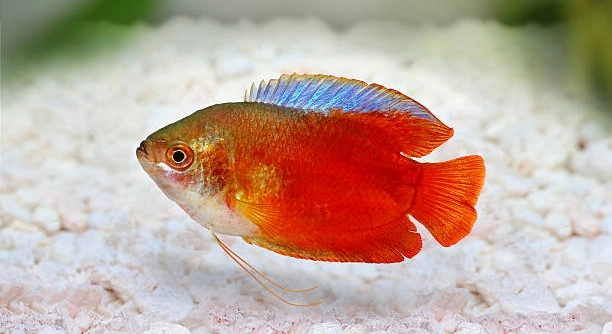
Are your gourami fish spending most of their time in one corner of the tank? This behavior can seem odd to many aquarium owners and might raise concerns about their well-being. Understanding why they do this can help keep them happy and healthy.
Gourami often stay in one corner due to environmental stressors, such as poor water quality, inappropriate tank conditions, or territorial behavior. They may also be seeking shelter or avoiding aggressive tank mates, which impacts their movement and comfort within the aquarium.
Knowing what causes this behavior will help you create a better environment for your gourami, improving their overall health and activity in the tank.
Reasons Gourami Stay in One Corner
Gourami often stay in one corner because they feel safer there. If the tank is too bright or noisy, they might hide to avoid stress. Sometimes, water conditions like temperature or cleanliness aren’t ideal, causing them to seek a calm spot. They may also stay away from other fish if they feel threatened or crowded. Providing plenty of plants and hiding places helps gourami feel secure. It’s important to check water quality regularly, including pH and ammonia levels, since poor water can make fish less active. Gourami like stable environments, so sudden changes in the tank can upset them. If you notice them staying put, look at their surroundings and behavior to find what might be bothering them. Adjusting the environment gently often encourages gourami to explore more and be active in the tank again.
Monitoring your gourami’s environment closely can reveal why they choose one corner over others.
Keeping tank conditions stable and comfortable is key to encouraging your gourami to move freely and interact with their space.
Water Quality and Tank Setup
Poor water quality is a common reason gourami stay isolated. If ammonia, nitrites, or nitrates build up, fish become stressed and hide. Tank size matters too—crowded or small tanks make gourami feel trapped. Gourami also prefer calm water without strong currents. Decorations and plants should offer hiding spots but not overcrowd the tank. Bright lights might stress them, so dimmer lighting helps. Make sure the temperature stays within 72–82°F (22–28°C), which is ideal for gourami. Frequent water testing and partial changes keep the tank healthy. A balanced setup, including gentle filtration and enough space, encourages gourami to swim more freely. With better water and a comfortable habitat, they usually stop staying in one corner and become more active and confident.
Stress and Territorial Behavior
Stress can make gourami hide in one corner. Loud noises, sudden movements, or aggressive tank mates often cause this behavior. When stressed, gourami seek quiet, safe spaces to feel secure.
Stress affects gourami’s health by weakening their immune system and reducing activity. Aggressive fish or overcrowded tanks increase stress levels. Gourami may also feel threatened if there is not enough space to claim a territory. Providing enough room and peaceful tank mates helps reduce stress. Adding plants and decorations gives gourami places to hide, which lowers their anxiety. Watching how your gourami interact can show if stress is a problem. Reducing loud disturbances and maintaining a calm environment helps gourami feel more comfortable. Less stress means they are likely to explore the tank rather than stay hidden.
Territorial behavior also causes gourami to stay in one area. They protect their chosen space from others. This is natural and helps reduce fights. In a small tank, boundaries become unclear, causing tension and more hiding. Keeping enough space and separate areas allows gourami to feel safe without needing to stay in just one corner all the time.
Illness and Health Issues
Illness often causes gourami to stay still and isolate themselves. Signs include clamped fins, lack of appetite, and unusual swimming patterns. Sick gourami find a quiet spot to rest and recover.
If gourami show signs of illness, test the water and check for parasites or infections. Poor water quality often triggers health problems. A proper diet and clean tank help prevent diseases. Treat infections quickly with suitable medication to avoid worsening conditions. Regular observation helps catch problems early. Sick gourami need a calm, stable environment to heal. If behavior doesn’t improve, consulting a vet or fish expert may be necessary. Illness can make gourami less active, so spotting changes in their routine is important to keep them healthy.
Feeding Habits
Gourami sometimes stay in one corner near food sources, especially during feeding time. They may wait patiently or compete with other fish for food. This behavior is normal and shows their interest in eating.
If gourami are always in one spot near food, it might mean they feel safe there. They may also be guarding a favorite feeding area. Observing their feeding patterns helps understand their comfort levels and social dynamics in the tank.
Lighting and Environment
Bright or harsh lighting can make gourami uncomfortable, causing them to stay hidden in shaded corners. Gourami prefer dimmer, softer light that mimics their natural habitat. Adjusting lighting can encourage them to explore more.
Providing plants or decorations that offer shade helps gourami feel secure. A balanced environment with gentle light and places to hide supports their natural behavior and reduces stress.
Tank Mates
Aggressive or overly active tank mates can cause gourami to hide in one corner. Gourami are peaceful fish and do best with calm companions. Avoid housing them with large or territorial species.
Choosing compatible tank mates and ensuring enough space allows gourami to move freely and reduces hiding behavior. Peaceful fish in a well-planned community tank create a more comfortable environment for gourami.
FAQ
Why do my gourami always stay in one corner of the tank?
Gourami often stay in one corner due to stress, poor water quality, or discomfort with tank mates. They may also feel safer in that spot if the lighting is too bright or if there are not enough hiding places. Checking water parameters and adjusting the tank setup can help.
Is it normal for gourami to hide most of the time?
It can be normal if the gourami are new or if the tank environment isn’t ideal. Gourami are shy by nature and like having places to hide. However, if they hide constantly and don’t eat or swim, it could signal illness or stress.
Can water temperature affect where gourami stay?
Yes, gourami prefer temperatures between 72–82°F (22–28°C). Water that is too cold or too warm can make them less active and cause them to stay in one spot. Maintaining stable, proper temperature helps gourami feel comfortable and active.
Could other fish in the tank cause my gourami to hide?
Definitely. Aggressive or overly active fish can intimidate gourami, making them hide more. Gourami prefer peaceful tank mates. Keeping compatible fish and enough space reduces stress and hiding behavior.
How do I know if my gourami is sick or stressed?
Signs include staying in one corner for long periods, clamped fins, loss of appetite, and unusual swimming. Stress or illness weakens their immune system. Regular observation and water testing are important to catch problems early.
What can I do to encourage my gourami to swim around more?
Improve water quality, reduce bright lighting, and add plants or decorations for hiding spots. Ensure tank mates are peaceful and the tank isn’t overcrowded. A calm, well-maintained environment helps gourami feel safe and encourages activity.
Is it bad if gourami stay still for hours?
Gourami do rest sometimes, but staying still for hours regularly may indicate stress, poor water conditions, or illness. If this behavior continues, check tank parameters and health to prevent serious issues.
How often should I clean the tank to keep gourami healthy?
Perform partial water changes of about 20-30% weekly. Clean filters regularly but avoid disturbing beneficial bacteria. Good maintenance keeps water parameters stable, reducing stress and encouraging normal behavior.
Do gourami prefer certain types of plants or decorations?
Gourami like leafy plants and decorations that provide hiding spots and shaded areas. Live plants are best but silk or plastic ones work too. Avoid sharp objects that could injure their delicate fins.
Can lighting changes affect gourami behavior?
Yes. Sudden or very bright lighting can stress gourami, causing them to hide. Gradual changes and dim lighting that simulates their natural environment make them more comfortable and active.
Should I isolate a gourami that stays in one corner?
Isolation is not always necessary unless the fish shows signs of illness or is bullied by others. Instead, improve tank conditions and ensure peaceful tank mates. Isolation can sometimes add stress rather than relieve it.
What food is best to keep gourami healthy and active?
A balanced diet with high-quality flakes, pellets, and occasional live or frozen foods like brine shrimp or bloodworms keeps gourami healthy. Feeding small amounts twice daily prevents overfeeding and supports good activity levels.
Can gourami behavior change with age?
Older gourami may be less active and spend more time resting, which can look like hiding. However, sudden behavior changes at any age should be checked for health or environment issues.
How can I tell if gourami are stressed from overcrowding?
Signs include hiding, aggression, or lethargy. Overcrowding limits swimming space and increases competition. Ensuring adequate tank size and appropriate stocking levels keeps gourami comfortable.
Is it okay for gourami to share space with other gourami?
Gourami can be territorial, especially males. In small tanks, multiple gourami may fight and hide. Larger tanks with plenty of hiding spots reduce aggression and make cohabitation easier. Observing their interactions helps prevent issues.
Final Thoughts
Gourami staying in one corner is a common behavior that often shows how they feel about their environment. When gourami spend a lot of time in one spot, it usually means they are trying to stay safe or comfortable. This can be because of stress, poor water quality, bright lighting, or the presence of aggressive tank mates. It is important to pay attention to this behavior because it helps you understand if your fish need better care or changes in their tank. Making small adjustments can help gourami feel more at ease and encourage them to explore the whole tank.
Keeping the tank clean and maintaining stable water conditions is key to your gourami’s well-being. Testing the water regularly for ammonia, nitrites, and nitrates keeps problems from building up. Temperature should also stay within the ideal range for gourami to be healthy and active. Adding plants and decorations gives them places to hide and rest, which lowers stress. The right lighting also makes a big difference — soft, gentle light is much better for gourami than bright or harsh light. When the tank feels more like their natural habitat, gourami are more likely to swim around and be active instead of hiding in one corner.
Finally, choosing peaceful and compatible tank mates helps gourami feel safe and reduces hiding behavior. Overcrowded tanks or aggressive fish can scare gourami and make them less active. Watching how your fish interact will show you if they are comfortable or stressed. If gourami stay still for long periods or stop eating, it might be time to check their health or tank conditions. Taking care of these details helps ensure gourami stay happy and healthy. With patience and proper care, you can create a tank where your gourami feel at home and enjoy swimming freely.

Hello,
If you enjoy the content that we create, please consider saying a "Thank You!" by leaving a tip.
Every little bit helps us continue crafting quality advice that supports the health, happiness, and well-being of pets around the world, for pets of all shapes, sizes, and species.
We really appreciate the kindness and support that you show us!