
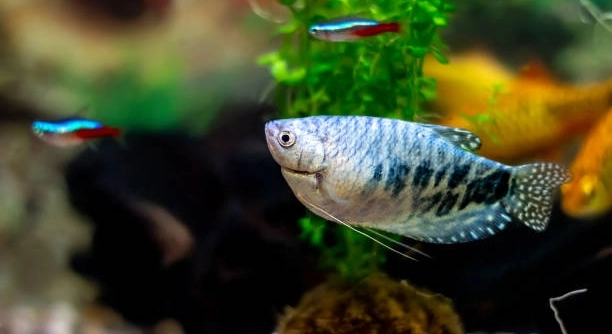
Gouramis are popular freshwater fish often kept in groups in home aquariums. While they can be peaceful, certain group dynamics can cause them stress. Knowing what frustrates gouramis helps maintain a calm and healthy environment for them.
Gouramis in groups can become frustrated due to overcrowding, lack of hiding spots, incompatible tank mates, poor water quality, insufficient food, sudden changes in environment, and territorial disputes. These factors impact their well-being and behavior significantly.
Understanding these frustrations helps create a balanced community tank and improves your gouramis’ overall comfort and health.
Overcrowding and Space Issues
When gouramis are kept in tanks that are too small or packed with too many fish, they can become stressed quickly. These fish need enough space to swim freely and establish their own spots. Overcrowding leads to constant competition for territory and hiding places, which can make gouramis aggressive or withdrawn. It also affects water quality since more fish produce more waste. Without enough space, gouramis may feel trapped, leading to frustration and health problems. Providing a tank that matches the number of gouramis and their size is important. A spacious environment helps them behave naturally and reduces tension within the group. Adding plants and decorations can create hiding spots, offering comfort and security to shy gouramis.
Overcrowding reduces swimming room and raises stress levels. It’s important to give gouramis enough space for healthy behavior.
A well-planned tank layout with sufficient room for each gourami helps prevent conflicts and promotes calm interactions. By ensuring space and shelter, you support their natural habits and reduce frustration from overcrowding.
Incompatible Tank Mates
Choosing the right tank mates for gouramis is crucial to avoid conflicts. Some fish are naturally aggressive or too active, which can intimidate gouramis. Others may compete heavily for food or territory, causing stress. Gouramis prefer peaceful companions who share similar water needs and temperament. When tank mates don’t match well, gouramis may hide too much or act aggressively to protect themselves. It is best to research each species’ behavior before mixing them. Peaceful community fish like tetras or rasboras usually get along well with gouramis. Avoid overly aggressive or very fast swimmers that disrupt the calm environment gouramis need to thrive. Proper selection helps maintain harmony in the tank and reduces the chances of frustration among your gouramis.
Poor Water Quality
Poor water quality causes stress and frustration in gouramis. Dirty or unbalanced water makes them weak and sick.
Regular water changes are essential to keep the tank clean. Ammonia, nitrite, and nitrate levels should be monitored closely. High levels of toxins affect gouramis’ breathing and immune systems. Filtration systems help maintain water clarity but need regular cleaning. Temperature and pH should also stay stable, as sudden changes shock the fish. Keeping water parameters consistent creates a healthier environment and prevents frustration caused by discomfort or illness.
Neglecting water quality can quickly lead to disease outbreaks. Gouramis are sensitive to pollutants, so maintaining clean water directly supports their well-being and reduces aggressive or shy behaviors linked to stress.
Territorial Disputes
Gouramis can become territorial, especially males. When space or resources are limited, fights can start.
Territorial behavior causes stress and injuries in gourami groups. Males guard their chosen spots and chase rivals, sometimes continuously. This aggression can scare or harm other fish, making the tank environment hostile. It’s important to provide enough space and hiding places to minimize conflict. Rearranging tank decorations occasionally helps break up established territories and lowers tension. Separating overly aggressive individuals might be necessary to protect the group’s harmony. Understanding gouramis’ territorial nature helps prevent frustration caused by constant fights and ensures a peaceful tank.
Insufficient Food Supply
Gouramis need enough food to stay healthy and calm. When food is scarce, they become stressed and aggressive.
Uneven feeding or poor-quality food can cause competition and frustration. Feeding small amounts multiple times a day helps keep all fish satisfied and reduces fights.
Sudden Environmental Changes
Sudden changes in water temperature, light, or tank setup disturb gouramis. Stability is key for their comfort.
Rapid shifts cause stress, making gouramis hide or act nervously. Gradual adjustments help them adapt smoothly and stay relaxed.
Lack of Hiding Spots
Gouramis need places to hide and feel safe. Without enough shelter, they feel exposed and stressed.
What are common signs that gouramis are frustrated in groups?
Frustrated gouramis often show changes in behavior. They may hide more than usual or swim erratically. Some become aggressive, chasing other fish or flaring their fins. Loss of appetite and dull coloration can also indicate stress. Watching how gouramis interact and noticing sudden behavior shifts helps identify frustration early.
How can I prevent overcrowding in my gourami tank?
Prevent overcrowding by choosing the right tank size for your gouramis. A good rule is at least 10 gallons per gourami, but bigger is better. Avoid adding too many fish at once. Give them enough space to swim freely and claim territories. Overcrowding causes stress, so proper stocking is key to a peaceful tank.
What tank mates work well with gouramis?
Peaceful fish like neon tetras, rasboras, and corydoras make good tank mates. Avoid aggressive or very active species that may bully gouramis. Also, steer clear of fin-nipping fish, since gouramis have delicate fins. Choosing calm, compatible fish creates a relaxed environment for your gouramis.
How often should I change the water to keep gouramis happy?
Changing about 20-30% of the tank water weekly is ideal. This helps keep ammonia and nitrate levels low, which reduces stress. Always treat tap water with a conditioner before adding it. Regular water changes maintain clean, stable conditions, helping gouramis stay healthy and less frustrated.
What temperature and pH do gouramis prefer?
Gouramis do best in water temperatures between 74°F and 82°F (23°C to 28°C). Their ideal pH range is about 6.0 to 7.5. Keeping these conditions stable helps prevent stress. Sudden temperature or pH shifts can confuse and frustrate them, so it’s important to monitor tank parameters carefully.
Why do gouramis fight each other sometimes?
Gouramis, especially males, can be territorial and aggressive when space is limited or during breeding. They may chase or nip at each other to defend their territory. Providing plenty of hiding spots and enough space reduces fights. Separating aggressive fish may be needed to protect the group.
How can I add hiding spots without crowding the tank?
Use plants, driftwood, and rocks to create natural hiding places. Live or artificial plants work well and do not take up too much swimming space. Arrange decorations to break lines of sight and give gouramis private areas. This reduces stress and aggression while keeping the tank open enough for swimming.
What is the best feeding routine for gouramis in groups?
Feed small amounts two to three times a day. This prevents competition and ensures all gouramis get food. Use high-quality flakes, pellets, or frozen foods like bloodworms. Vary their diet for good nutrition. Avoid overfeeding, which can pollute the water and harm fish health.
How do I handle sudden environmental changes in the tank?
Make changes slowly over several hours or days. For example, adjust lighting or temperature gradually. When rearranging the tank, do it little by little to avoid confusing gouramis. Sudden changes cause stress and can make gouramis hide or act nervously.
Can stress from group living affect gourami health?
Yes, stress lowers the immune system, making gouramis prone to illness. Chronic stress from overcrowding, poor water quality, or aggressive tank mates can cause diseases like fin rot or fungal infections. Managing their environment carefully helps keep them healthy and happy.
What should I do if one gourami is bullying others?
Observe the behavior closely. Try rearranging tank decorations to disrupt established territories. Increase hiding spots for the bullied fish. If aggression continues, consider separating the aggressive gourami into another tank to prevent injury and stress.
How important is water filtration for gouramis in groups?
Water filtration is very important. A good filter removes waste and keeps the water clear. It helps maintain stable water parameters and reduces harmful toxins. Clean water supports gouramis’ health and lowers stress, which is crucial when multiple fish share a tank.
Can gouramis live peacefully without hiding spots?
They may survive, but they won’t thrive. Hiding spots reduce stress and offer security. Without shelter, gouramis feel exposed and anxious, which can cause them to hide excessively or act aggressively. Providing cover is essential for their well-being in a group tank.
What behavior shows that gouramis are comfortable in their group?
Comfortable gouramis swim calmly and explore their environment. They interact gently with other fish and show natural behaviors like bubble nesting or feeding actively. Bright colors and regular movement are signs of a healthy, relaxed group.
How often should I test water parameters for a gourami tank?
Test water weekly, especially for ammonia, nitrite, nitrate, pH, and temperature. Frequent testing helps catch problems early before they cause stress or illness. Keeping records can help track any changes and maintain a stable environment.
Gouramis are beautiful and interesting fish to keep, especially when you have a group of them. However, they can get frustrated if their needs are not met properly. It’s important to remember that their environment plays a big role in how they behave. Overcrowding, poor water quality, and not having enough hiding spots are some of the main reasons gouramis feel stressed or annoyed. By paying attention to these factors, you can help your fish live more comfortably and enjoy their home.
When gouramis live in groups, their natural behavior can sometimes lead to conflicts, especially if they don’t have enough space or the right companions. Male gouramis tend to be territorial, so it’s important to provide plenty of room and places to hide. Keeping the tank clean and maintaining stable water conditions also helps reduce stress. Simple actions like feeding them properly and choosing peaceful tank mates make a big difference. Taking these steps shows you care about their well-being and helps create a peaceful aquarium where gouramis can thrive.
In the end, caring for gouramis in groups requires attention and patience. Watching how they interact and knowing what frustrates them helps prevent problems before they get serious. Making sure their environment meets their needs supports healthy behavior and longer life. With the right setup and care, gouramis can be a calm and beautiful part of your aquarium for many years. This knowledge makes the experience of keeping gouramis more rewarding and enjoyable.

Hello,
If you enjoy the content that we create, please consider saying a "Thank You!" by leaving a tip.
Every little bit helps us continue crafting quality advice that supports the health, happiness, and well-being of pets around the world, for pets of all shapes, sizes, and species.
We really appreciate the kindness and support that you show us!