
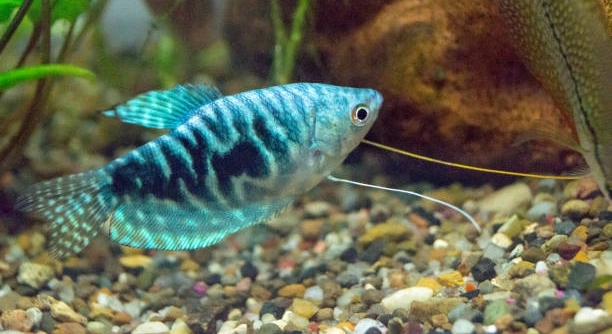
Gouramis are popular aquarium fish known for their vibrant colors and peaceful nature. Sometimes, these fish do not grow as expected, which can be frustrating for hobbyists. Identifying the reasons behind slow growth is important for their well-being.
Slow growth in gouramis is primarily caused by inadequate nutrition, poor water quality, stress, overcrowding, improper tank conditions, illness, or genetic factors. Each of these elements can significantly affect the fish’s metabolism and development, leading to stunted growth.
Knowing these causes can help improve your gourami’s health and growth. Understanding the factors at play will support better care and a thriving aquatic environment.
Inadequate Nutrition
Gouramis need a balanced diet to grow properly. Feeding them low-quality or inappropriate food slows their development. Many fishkeepers rely too much on flakes or pellets that lack essential nutrients. Live or frozen foods like brine shrimp and bloodworms provide better protein and vitamins, which support healthy growth. Overfeeding can also cause problems by polluting the water and stressing the fish. It is important to offer a varied diet and feed the right amount to meet their nutritional needs without overdoing it. Consistency in feeding times also helps gouramis maintain steady growth rates.
Improving diet quality directly enhances growth and vitality in gouramis. Nutrient-rich foods boost their metabolism and immune system, leading to healthier fish.
Changing to a better feeding routine may take some effort, but it significantly impacts gouramis’ development. Paying attention to diet variety and portion sizes ensures your fish get the nutrients necessary for steady and healthy growth.
Poor Water Quality
Poor water quality stresses gouramis and inhibits growth. High ammonia, nitrite, or nitrate levels damage their gills and organs, reducing their ability to absorb nutrients. Dirty water also increases the risk of infections and diseases, which can stunt development. Regular water changes and proper filtration keep water parameters stable. Maintaining the ideal temperature and pH for gouramis supports their metabolism and overall health. Testing the water frequently helps detect problems early before growth slows down. Keeping the tank clean and well-maintained is essential for creating a healthy environment that encourages proper growth.
Water quality has a direct impact on fish health and growth.
Maintaining clean, balanced water is crucial for gouramis to thrive. Polluted water can cause chronic stress, reduce oxygen levels, and damage tissues, all of which hinder growth. Consistent monitoring and upkeep reduce toxins and keep the environment stable. Using a reliable filtration system and performing scheduled partial water changes will help maintain safe conditions. Avoid overcrowding to reduce waste accumulation. Ensuring proper water quality supports the fish’s immune system and metabolism, encouraging steady growth over time.
Stress and Overcrowding
Stress slows gourami growth by weakening their immune system. Overcrowded tanks cause constant competition and aggression, increasing stress levels.
Stress in gouramis comes from many factors, including too many fish in one tank, aggressive tank mates, and frequent disturbances. When stressed, gouramis produce stress hormones that reduce appetite and slow metabolism, directly affecting growth. Overcrowding also leads to poor water quality due to excess waste, adding further strain. Providing adequate space and calm tank conditions minimizes stress, helping gouramis grow normally.
It is important to keep gouramis in an appropriately sized tank with compatible companions. Monitoring fish behavior can help identify stress early. Reducing overcrowding improves overall health and supports consistent growth by creating a peaceful environment.
Illness and Genetic Factors
Illnesses like bacterial or parasitic infections impair gourami growth by diverting energy to fight disease. Genetic factors can also limit size potential.
Health problems reduce feeding efficiency and weaken fish, causing slow or stunted growth. Early detection and treatment of illnesses are critical to prevent long-term effects. Genetics influence growth rates and maximum size, meaning some gouramis naturally grow slower or remain smaller than others despite optimal care. Understanding this helps set realistic expectations. Regular health checks and a proper diet reduce disease risks. Knowing your gourami’s genetic background can explain growth patterns and help tailor care accordingly.
Improper Tank Conditions
Tank size and setup directly affect gourami growth. Small or poorly arranged tanks restrict movement and increase stress.
Proper tank conditions include enough space, hiding spots, and stable water parameters. This promotes natural behavior and healthy development.
Temperature Fluctuations
Inconsistent temperatures disrupt gouramis’ metabolism and digestion, leading to slower growth. Maintaining a stable, species-appropriate temperature range is essential to avoid stress and growth delays.
Lack of Oxygen
Low oxygen levels in the water reduce gouramis’ energy and appetite. Proper aeration and water circulation are necessary to maintain adequate oxygen for healthy growth.
Why is my gourami not growing despite good care?
Even with good care, slow growth can result from hidden factors like genetics, undetected illness, or subtle water quality issues. Sometimes, fish have natural size limits. Checking water parameters, diet quality, and tank conditions closely helps identify underlying problems.
How often should I feed my gourami for optimal growth?
Feed adult gouramis once or twice daily in small amounts they can finish within a few minutes. Overfeeding pollutes water and causes health issues. Young gouramis may require more frequent, smaller meals to support rapid growth.
Can tank mates affect gourami growth?
Yes, aggressive or overly active tank mates stress gouramis, reducing their appetite and growth rate. Peaceful companions and avoiding overcrowding promote calmer conditions and healthier development.
What water parameters are ideal for gouramis?
Gouramis thrive in temperatures between 75–82°F (24–28°C), pH 6.0–7.5, and soft to moderately hard water. Maintaining these ranges supports metabolism and reduces stress, encouraging steady growth.
How important is water quality for gourami growth?
Water quality is critical. High ammonia, nitrites, or nitrates damage gills and organs, slowing growth and increasing disease risk. Regular water changes, proper filtration, and testing ensure a safe environment.
Is genetics a common reason for slow growth?
Genetics can limit maximum size and growth speed. Some gourami strains naturally grow slower or smaller. While care improves health, genetics set growth potential.
How can I reduce stress in my gourami tank?
Provide enough space, hiding spots, and compatible tank mates. Avoid sudden changes in water or environment. Consistent routine and minimal disturbances lower stress and help growth.
What signs indicate illness affecting growth?
Lethargy, loss of appetite, unusual swimming, and visible spots or wounds often signal illness. Early treatment improves recovery and supports normal growth.
Can temperature fluctuations stunt gourami growth?
Yes, temperature swings disrupt metabolism and digestion, slowing growth. Stable, appropriate temperature is necessary to maintain health and development.
How do I know if my gourami’s diet is adequate?
Healthy gouramis show active feeding, good coloration, and steady growth. Including protein-rich live or frozen foods along with quality flakes or pellets ensures balanced nutrition.
What tank size is best for growing gouramis?
A minimum of 20 gallons per adult gourami allows enough space for movement and reduces stress. Larger tanks help maintain water quality and create a better environment for growth.
Does oxygen level affect growth?
Low oxygen reduces energy and appetite, slowing growth. Aeration and good water circulation maintain oxygen levels for healthy fish.
Can overcrowding cause stunted growth?
Yes, overcrowding increases stress and waste, degrading water quality and limiting resources. Keeping appropriate stocking levels supports growth.
Should I quarantine new gouramis to prevent growth issues?
Quarantining helps detect and treat diseases before introducing fish to the main tank. Healthy fish grow better and reduce the risk of spreading illness.
How long does it take for gouramis to reach full size?
Growth rates vary by species and care but generally take several months to a year. Providing ideal conditions speeds up growth within genetic limits.
Understanding the causes of slow growth in gouramis is essential for maintaining healthy fish. Many factors contribute to stunted growth, including diet, water quality, stress, tank conditions, illness, and genetics. Addressing these issues helps ensure gouramis develop properly and live longer, healthier lives. Proper care is not only about feeding but also about creating a stable environment that supports their natural behaviors and biological needs.
Providing a balanced diet with varied, nutrient-rich foods is one of the most important steps. This helps support the fish’s metabolism and immune system. Regular water testing and maintenance keep the environment safe and reduce the risk of disease or stress. Overcrowding and aggressive tank mates should be avoided to minimize stress, which can slow growth. Attention to tank size, temperature stability, and oxygen levels also plays a significant role in promoting healthy development. Each of these aspects works together to create optimal conditions for gouramis.
By carefully observing your gouramis and making adjustments as needed, you can improve their growth and overall health. Recognizing early signs of illness and stress allows for timely intervention. While genetics may limit some fish, most growth problems can be prevented or corrected through proper care and attention. Maintaining a well-balanced tank environment requires ongoing effort but results in stronger, more vibrant gouramis. This approach leads to a more enjoyable and rewarding aquarium experience.

Hello,
If you enjoy the content that we create, please consider saying a "Thank You!" by leaving a tip.
Every little bit helps us continue crafting quality advice that supports the health, happiness, and well-being of pets around the world, for pets of all shapes, sizes, and species.
We really appreciate the kindness and support that you show us!